
A grinding noise while driving can come from brakes, wheel bearings, CV joints, a backing plate, drivetrain components, or another system. The sound alone does not identify the failed part. Note whether it happens only while braking, turning, accelerating, changing gears, or even while coasting. Stop driving and arrange inspection promptly if the noise is severe, grinding occurs during braking, the vehicle pulls, steering feels unstable, or a warning light appears.
Common Causes of a Grinding Noise When Driving
The likely source depends heavily on when the grinding occurs. Noise mainly during braking points diagnosis toward the brake system, while noise that changes with road speed, steering input, acceleration, or gear selection may require inspection of wheel, tire, bearing, CV-joint, or drivetrain components. Use the operating condition to narrow the source before replacing parts.
Worn Brake Pads and Their Impact
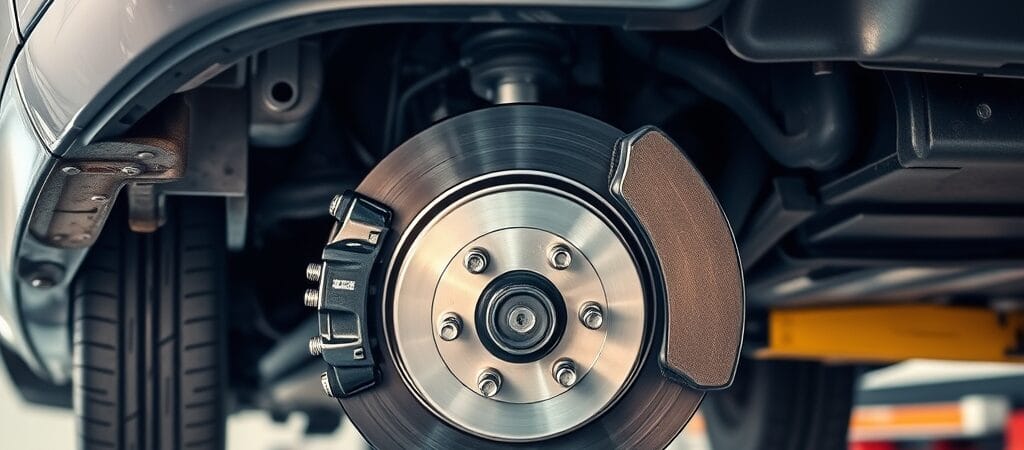
A grinding noise that occurs mainly while braking can result from severely worn pads, damaged brake hardware, rotor problems, or another brake-system fault. Do not assume the pads are worn to the backing plate from noise alone. Inspect pad thickness, rotor condition, hardware, and caliper movement before deciding on repair.
The Role of Damaged Wheel Bearings
Wheel-bearing noise is often a humming, growling, or rumbling sound that changes with road speed or cornering load. It may be confused with tire noise. Check for excessive play, roughness, or other supporting evidence using the vehicle-specific inspection procedure before replacing a bearing.
How Faulty CV Joints Cause Grinding Sounds
CV-joint problems more commonly produce clicking during turns, especially under acceleration, although damaged parts can make other noises. Inspect CV boots for tears or grease loss and check the joint only using the correct procedure. Do not replace a CV joint based on noise alone.
Brake Rotor, Shield, or Backing-Plate Contact
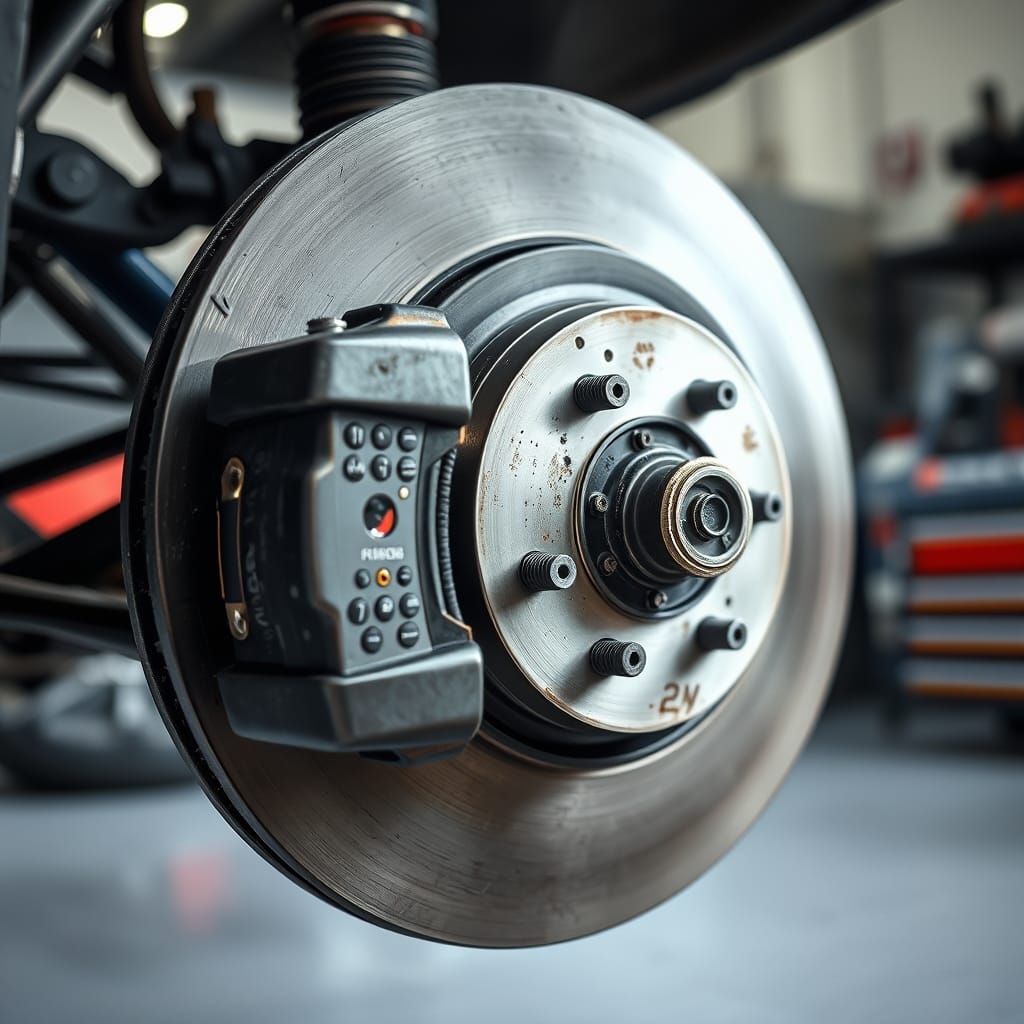
Brake rotors can develop surface corrosion after the vehicle sits, and light noise may temporarily occur when the brakes are first applied. More severe or persistent grinding requires inspection for abnormal rotor condition, brake-pad or hardware problems, foreign material, or other brake faults. A bent dust shield or backing plate may also contact a rotating component and create a scraping or grinding noise. Look for contact marks and confirm the source before bending, adjusting, or replacing components.
Transmission or Drivetrain Problems
Grinding associated with shifting, gear selection, acceleration, or deceleration may originate from the transmission, differential, transfer case, driveshaft, or another drivetrain component. The diagnostic approach differs significantly between manual, automatic, dual-clutch, CVT, AWD, and 4WD systems. Check for related symptoms, leaks, warning messages, DTCs, and fluid condition or level only according to the manufacturer’s procedure. Do not assume that a grinding noise means the transmission itself has failed.
Engine or Accessory-Drive Noise
A noise that follows engine RPM rather than road speed may originate from an engine-driven accessory, pulley, tensioner, or another under-hood component rather than the wheels or drivetrain. Determine whether the sound changes with engine speed while the vehicle is stationary before assuming it is related to driving speed. Keep hands, clothing, and tools away from belts, pulleys, and cooling fans during inspection.
Diagnosing the Grinding Noise Issue
To effectively address the grinding noise, a systematic approach is required for diagnosis.
Verifying the Complaint and Conditions
Determine when the noise occurs before testing: while braking, turning, accelerating, shifting, coasting, or at a particular road speed. If braking, steering, or vehicle stability is affected, avoid an unnecessary road test and inspect the vehicle safely first.
Simple Inspections for Initial Diagnosis
With the vehicle parked safely, inspect visible brake components, wheel and tire condition, backing plates, CV boots, and accessible fluid leaks. Look for obvious damage, loose parts, overheating signs, or contact marks. Do not work beneath a vehicle supported only by a jack.
Check for Related Warning Lights and Diagnostic Codes
A mechanical grinding noise may not set a diagnostic trouble code. However, if the ABS, traction-control, transmission, Check Engine, or another warning light is present, scan the relevant control modules before clearing codes. Related DTCs and live data may help identify the affected system, but a code does not prove that it is the source of the noise.
Testing Key Systems and Components
Use the conditions recorded during complaint verification to guide testing. Grinding during braking requires inspection of the brake system; noise that changes with road speed or cornering load may require tire, wheel-bearing, brake-shield, or related wheel-area checks; noise during turns and acceleration may require CV-joint or axle inspection; and grinding associated with shifting, acceleration, or deceleration may require drivetrain diagnosis. If the noise follows engine RPM instead of vehicle speed, investigate engine or accessory-drive sources. Confirm the source before replacing components and avoid road testing when braking, steering, or vehicle stability may be compromised.
Repair Options After Diagnosis
Repair depends on the confirmed source of the noise. This may involve servicing a brake fault, wheel bearing, CV joint, backing plate, tire or wheel issue, drivetrain problem, or another component. Do not replace brake pads, rotors, wheel bearings, CV joints, drivetrain components, or engine accessories based on the sound alone. Confirm the source and cause before repair. After the repair, verify under safe operating conditions that the original noise no longer occurs.
Safety Considerations While Diagnosing and Repairing
When working on your vehicle, safety should always be a priority. Ensure the car is properly secured on a level surface with jack stands if lifting is required. Wear safety goggles and gloves, and be cautious of moving components as well as sharp edges. Avoid working on a hot engine or near pressurized systems without proper precautions.
Vehicle-Specific Repair Considerations
Always consult the vehicle’s service manual for specific repair procedures, torque specifications, and safety notes that pertain to your particular make and model. Each vehicle may have unique components and setups that could affect both diagnosis and repair.
Frequently Asked Questions
What causes a grinding noise when driving?
Possible sources include brake-system faults, wheel or bearing problems, contact between a shield or backing plate and a rotating component, CV-joint or axle problems, drivetrain faults, and some engine or accessory-drive components. When the noise occurs is an important clue, but inspection and testing are needed to confirm the source.
How can I diagnose the grinding noise?
Note exactly when the noise occurs, then inspect the relevant brake, wheel, tire, CV-joint, and drivetrain systems. Use targeted testing to confirm the source rather than relying on the sound alone.
Can I still drive my car if it’s making a grinding noise?
Whether the vehicle can be driven depends on the source and severity of the noise. Stop driving and arrange inspection if grinding occurs during braking, steering or stability is affected, the noise is severe or suddenly worsening, a wheel appears abnormal, or a serious warning light is present. If the source is unknown, avoid unnecessary driving until the cause is identified.
What should I check first if I hear a grinding noise?
First determine when the grinding occurs—during braking, turning, acceleration, shifting, coasting, or in relation to engine or road speed. Then inspect the system associated with that condition. If braking, steering, or vehicle stability is affected, avoid further driving and arrange an inspection.
When should I seek professional help for grinding noises?
If you cannot identify the issue or if the noise persists, it’s best to seek professional diagnosis to avoid further damage or safety risks.
Final Checks
A grinding noise is a symptom, not a diagnosis. Use when the noise occurs to guide inspection, confirm the source with appropriate testing, and repair only the fault supported by evidence. Seek professional inspection promptly if braking, steering, or vehicle stability is affected.