
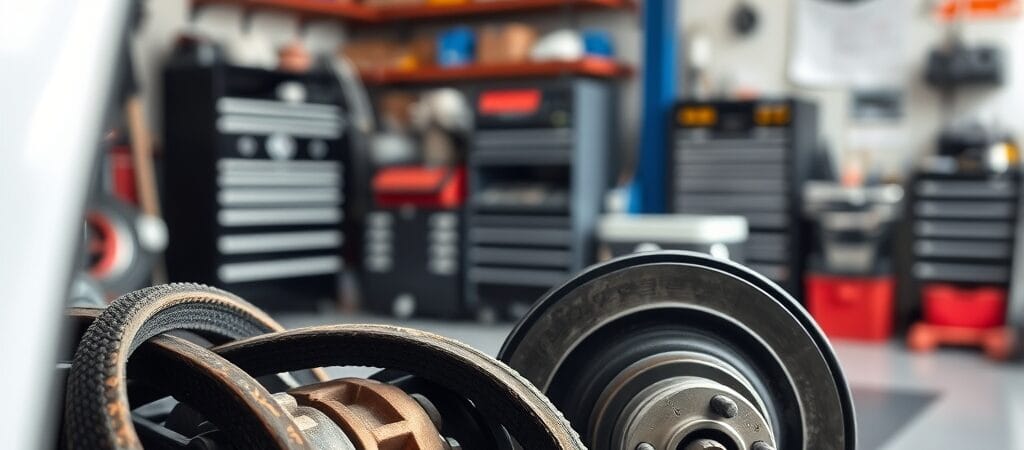
If your car smells like burning rubber, do not assume that a rubber component is necessarily burning. Drivers may describe several different hot or burning odors in similar ways, and the source can range from a slipping belt or overheated brake to a clutch problem, fluid contacting a hot surface, overheated wiring or road debris touching the exhaust.
The conditions under which the odor appears—such as after braking, during acceleration, while using electrical equipment or shortly after parking—can provide important diagnostic clues. Smoke, flames, severe brake problems or an intense electrical-burning odor require immediate attention.
Why Your Car May Smell Like Burning Rubber
A burning odor can travel through the engine compartment, ventilation system or around the vehicle, making its source difficult to identify from smell alone.
Before replacing parts, determine when the odor occurs, where it seems strongest and whether it is accompanied by smoke, unusual noises, warning lights, poor braking, slipping, electrical problems or fluid leakage. These observations help determine which system should be inspected first.
Observations That Help Identify the Source
Pay attention to what happens immediately before and during the odor:
- After braking: A hot-brake condition, dragging brake or other brake problem may need investigation.
- During acceleration or when accessories operate: Belt slip or an accessory-drive problem may be relevant.
- During clutch engagement or acceleration in a manual-transmission vehicle: Excessive clutch slipping may produce a hot friction-material odor.
- After parking: Oil or another fluid contacting a hot engine or exhaust surface may become easier to notice.
- With electrical problems: Hot wiring, insulation or electrical components can produce an acrid burning odor and may present a fire risk.
- With smoke: Treat visible smoke as a warning that requires prompt investigation rather than continuing to drive normally.
Do not identify the failed component from odor alone.
Possible Causes of the Burning Rubber Smell
Belt or Accessory-Drive Problems
A slipping drive belt can generate heat and an odor that may be described as burning rubber. Belt damage, improper tension where applicable, contamination, misalignment, a pulley problem or an accessory that does not rotate correctly can contribute.
With the engine off and cool, inspect accessible belt surfaces for cracking, fraying, glazing or other damage. Do not place hands, tools or clothing near a moving belt or pulley while the engine is running.
Overheated or Dragging Brakes
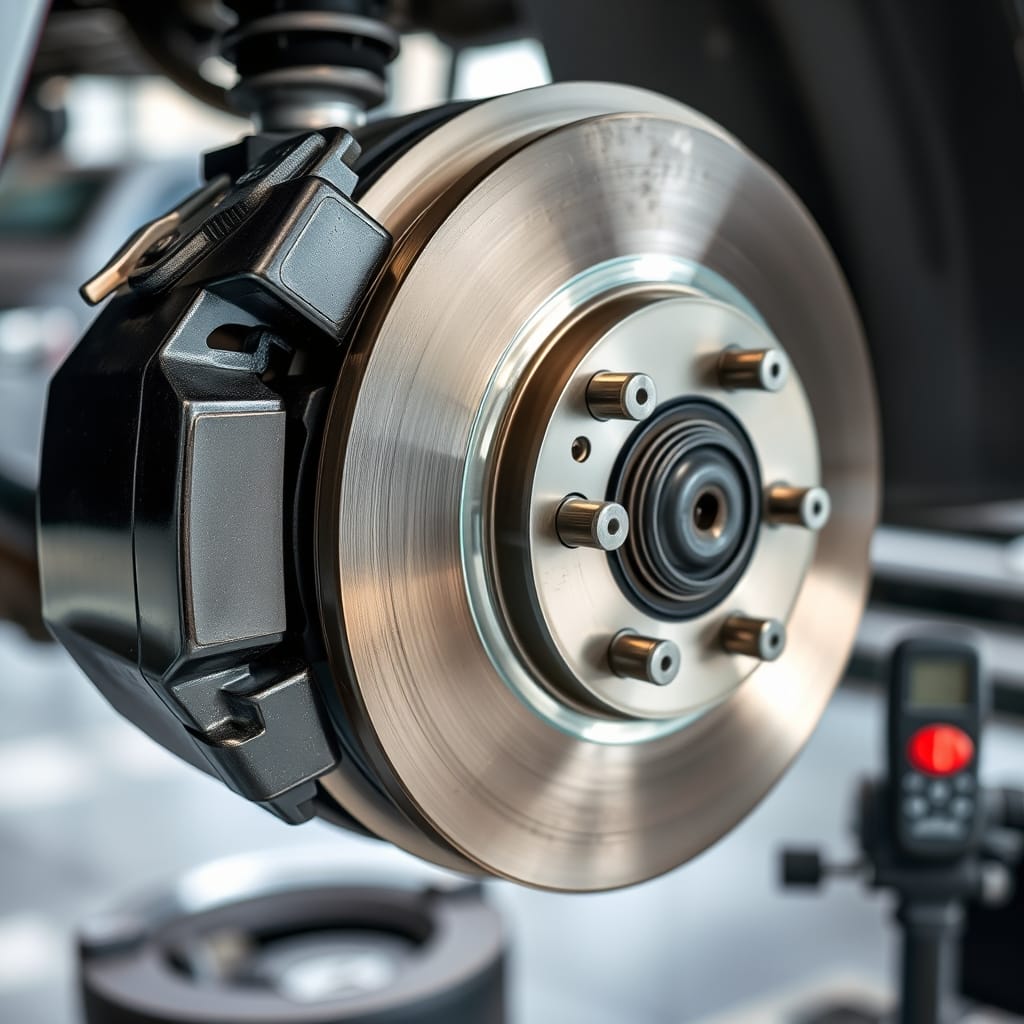
Brakes can generate a strong hot or burning odor when they become excessively hot. Possible reasons include prolonged or heavy braking, a dragging brake, a parking brake that is not fully releasing, or another brake-system fault.
If one wheel becomes unusually hot, the vehicle pulls while braking, braking performance changes, or smoke is present near a wheel, stop driving and have the brake system inspected. Do not touch brake components immediately after driving because they may be extremely hot.
For vibration that occurs specifically during braking, see our guide on Car Shakes When Braking.
Fluid Contacting Hot Components
Engine oil, transmission fluid or other automotive fluids leaking onto hot engine or exhaust components can produce smoke or an odor that a driver may describe as burning rubber, plastic or oil.
Look for visible leakage or residue only when it is safe to inspect the area. Do not reach toward hot exhaust components or attempt to identify a leaking fluid by touching it. The leak source should be confirmed before replacing seals, gaskets or other components.
Overheated Wiring or Electrical Components
Overheated wiring, connectors, insulation or electrical components can create a sharp burning-plastic or rubber-like odor. Melted insulation, discoloration, smoke, repeated fuse failure or electrical equipment behaving abnormally are important warning signs.
Because an electrical fault can create a fire risk, stop using the affected electrical system and have the vehicle inspected promptly. If smoke or flames are present, move away from the vehicle and contact emergency services.
Clutch Overheating on Manual-Transmission Vehicles
Excessive clutch slipping can overheat the clutch friction material and create a strong burning odor. The smell may occur after repeated clutch slipping, hill starts or other high-load clutch use.
If the engine speed rises without a corresponding increase in vehicle speed, or the clutch repeatedly slips under load, the clutch system should be inspected. The odor alone does not confirm that the clutch requires replacement.
Foreign Material Contacting a Hot Exhaust
Plastic bags, road debris or other material can occasionally become trapped against hot exhaust components and produce a strong burning odor.
After the vehicle has cooled sufficiently, inspect only safely accessible areas. Never crawl underneath a vehicle supported only by a jack, and do not touch exhaust components until they have cooled.
How to Diagnose a Burning Smell
Step 1: Verify When the Odor Occurs
Determine whether the smell appears during braking, acceleration, clutch use, operation of electrical accessories, after driving, or under another repeatable condition.
Note whether smoke, noises, warning lights, fluid leakage, reduced braking, slipping or other symptoms occur at the same time.
Step 2: Inspect for Obvious Problems Safely
With the vehicle parked safely and hot components allowed to cool, inspect accessible areas for belt damage, fluid residue, overheated wiring or connectors, debris near the exhaust and obvious brake concerns.
Do not touch recently operated brake or exhaust components.
Step 3: Narrow the Diagnosis by Operating Condition
If the odor follows braking, concentrate on the brake system. If it occurs with acceleration or accessory operation, inspect the belt/accessory drive as appropriate. If it occurs during clutch use, investigate the clutch system. Visible fluid residue near hot components should direct diagnosis toward identifying the leak source.
This approach is more reliable than replacing parts based only on how the odor smells.
Step 4: Use Diagnostic Data When Relevant
An OBD-II scan is not a primary test for a burning odor. However, if warning lights or other engine, transmission or electrical symptoms are present, stored trouble codes and relevant scan data may provide additional diagnostic clues.
A trouble code does not identify the source of the odor or prove that a particular component has failed.
Step 5: Perform Targeted Testing
Once the likely system has been identified, perform tests appropriate to that system and vehicle. This may include checking accessory-drive operation, brake drag, electrical circuits or the source of a fluid leak.
Use vehicle-specific service information for procedures and specifications, and repair only faults supported by inspection or testing.
Repair Only the Confirmed Cause
The correct repair depends on what the diagnosis identifies. A slipping or damaged belt, faulty accessory or pulley, dragging brake, fluid leak, electrical fault, clutch problem or foreign material near the exhaust requires a different repair.
Do not replace belts, brake pads, gaskets, electrical parts or clutch components solely because a burning smell is present.
After repairing the confirmed cause, reproduce the original operating conditions only when it is safe to do so and verify that the odor and associated symptoms do not return.
Safety Considerations
A burning odor can sometimes indicate overheating or a developing fire hazard.
If you see smoke, notice flames, experience a major loss of braking, or detect a strong electrical-burning odor accompanied by electrical malfunction, stop the vehicle in a safe location and switch it off when appropriate. Move occupants away from the vehicle if there is a fire risk and contact emergency services when necessary.
Do not open a hot cooling system, touch hot brake or exhaust components, reach near moving belts or pulleys, or work underneath a vehicle supported only by a jack.
If the odor is mild and there are no immediate danger signs, avoid unnecessary driving until the source has been identified.
Frequently Asked Questions
Why does my car smell like burning rubber?
Possible sources include a slipping belt, overheated brakes, clutch friction, fluid contacting hot components, overheated wiring or plastic, or foreign material touching the exhaust. The odor alone cannot identify the failed component.
Why does the burning smell appear after driving?
Heat can make odors from brakes, fluid leaks, belts, exhaust-contacting debris and other components more noticeable after the vehicle has been driven. Inspect the conditions surrounding the smell rather than assuming a specific cause.
Why does my car smell burnt after braking?
Brakes can produce a strong hot odor when they become excessively hot. Heavy braking may be responsible, but dragging or malfunctioning brakes should be considered if the smell is persistent, unusually strong or associated with smoke, pulling or reduced braking performance.
Can an electrical problem smell like burning rubber?
Yes. Overheated wiring or insulation may create a burning-plastic or rubber-like odor. Smoke, melted wiring, electrical malfunction or repeated fuse problems warrant prompt inspection because of the potential fire risk.
Should I use an OBD-II scanner to diagnose a burning smell?
Not as the primary diagnostic method. Scan data and trouble codes can help when warning lights or related engine or transmission symptoms are present, but they cannot identify the source of an odor by themselves.
Is it safe to drive if my car smells like burning rubber?
It depends on the cause and severity. Do not continue driving if there is smoke, fire risk, major braking problems, severe electrical symptoms or another condition that could make the vehicle unsafe. Otherwise, have the source identified promptly rather than ignoring the odor.
Final Checks
A smell described as burning rubber does not prove that rubber is actually burning. Diagnose the problem by identifying when the odor occurs, checking for associated symptoms and inspecting the system most closely related to those conditions.
Start with safe, visible checks, use scan data only when relevant, perform targeted testing and repair only the confirmed cause. Smoke, fire, serious brake problems or significant electrical overheating require immediate safety precautions.