
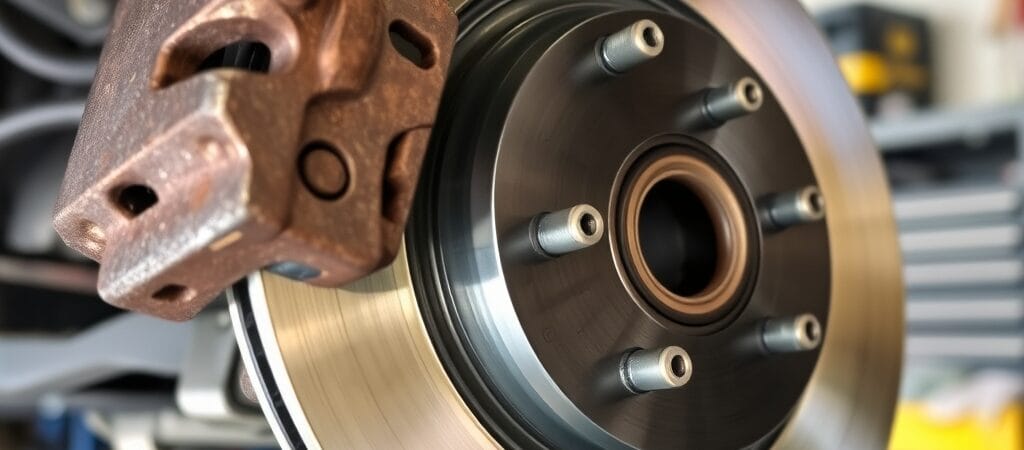
If your car shakes when braking, this symptom can indicate various underlying issues that need attention. Shaking can manifest as vibrations in the steering wheel, a pulsating brake pedal, or vibrations throughout the vehicle. It’s essential to understand that this problem may arise from the brake system itself or related components, such as suspension or wheel balance. This article will guide you through recognizing the symptoms, potential causes, and inspection steps to determine what might be causing your vehicle to shake during braking.
Understanding Car Shakes When Braking
Experiencing vibrations when braking is a common issue for many drivers. This symptom can appear as a shake in the steering wheel, a pulsating brake pedal, or a general vibration throughout the vehicle. Recognizing these vibrations is important, as they often indicate underlying problems within the braking system or related components.
What This Symptom Indicates
A car that shakes during braking usually suggests that either the brake system or other related systems, such as suspension or steering, may be impacted. Common issues include uneven brake wear, problems with the brake rotors, or wheel balance issues. Understanding these factors is essential for diagnosing the root cause of the vibration.
Severity and Safety Risks of Shaking
The severity of the shaking can vary, but vibration that consistently appears during braking should be inspected. The vibration itself does not necessarily mean braking performance is reduced, but some underlying causes—such as damaged brake components, a sticking caliper, loose or worn suspension parts, or tire and wheel problems—can affect vehicle control or braking safety. If the vehicle pulls strongly, braking performance changes, the brake pedal feels abnormal, or the shaking is severe, avoid unnecessary driving until the cause is diagnosed.
Common Causes of Brake-Related Vibration
- Brake Rotor Thickness Variation or Runout: Uneven rotor thickness or excessive lateral runout can create changing braking forces as the rotor rotates. This may be felt as brake pedal pulsation, steering wheel shake, or vibration through the vehicle. Measurements are needed to confirm the condition rather than assuming the rotors are warped.
- Uneven Brake Pad Contact or Deposits: Uneven pad wear, glazing, contamination, or uneven friction-material transfer on the rotor surface can contribute to brake vibration. Inspect the pads and rotor surfaces before deciding which components need repair.
- Sticking Brake Caliper or Hardware: A caliper, slide pin, or related brake hardware that does not move correctly can cause uneven braking forces, abnormal pad wear, heat buildup, or pulling during braking.
- Worn or Loose Steering and Suspension Components: Excessive play in components such as control-arm bushings, ball joints, tie-rod ends, or wheel bearings can allow movement that becomes more noticeable when braking loads the front suspension.
- Tire and Wheel Problems: An out-of-balance wheel, damaged tire, or bent wheel usually causes vibration that follows vehicle speed rather than occurring only during braking. If the vibration is also present when cruising without applying the brakes, inspect the tires and wheels as part of the diagnosis.
Step-by-Step Diagnostic Guide for Drivers
- Confirm When the Vibration Occurs: Determine whether the shaking happens only when the brakes are applied or is also present while cruising. A vibration that occurs mainly during braking points more strongly toward the brake system or components affected by braking loads, while a speed-related vibration that exists without braking may point toward tires, wheels, or other rotating components.
- Identify Where You Feel the Vibration: Note whether the vibration is strongest in the steering wheel, brake pedal, seat, or throughout the vehicle. Also check for pulling, unusual brake noises, or changes in pedal feel. These observations can help narrow the inspection.
- Inspect Tires, Wheels, and Brake Components: Check the tires and wheels for visible damage and inspect the brake pads, rotors, calipers, and related hardware for abnormal wear, overheating, contamination, or damage.
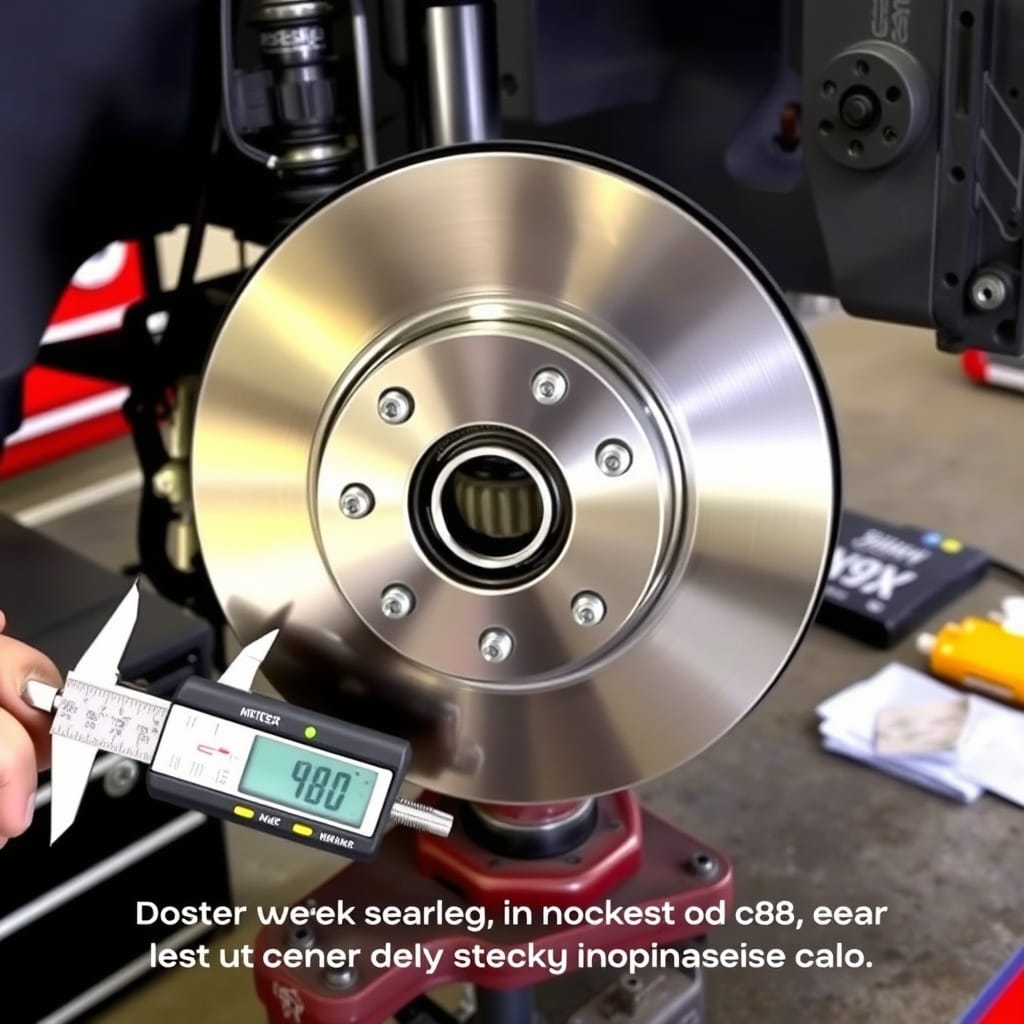
- Check Rotor Condition and Measurements: Do not diagnose a “warped rotor” by appearance alone. Rotor thickness variation and lateral runout should be measured with appropriate tools and compared with the vehicle manufacturer’s specifications.
- Inspect Calipers and Brake Hardware: Check that calipers, slide pins, and related hardware move correctly and that the pads are wearing evenly. Uneven wear or excessive heat may indicate a sticking or binding component.
- Inspect Steering and Suspension Components: If the brake components do not explain the vibration, check wheel bearings, bushings, ball joints, tie-rod ends, and other relevant components for excessive play or damage.
- Verify the Diagnosis Before Replacing Parts: Use the inspection findings and measurements to identify the actual cause. After repairs, perform an appropriate road test in safe conditions to confirm that the braking vibration has been resolved.
Effective Repair Options for Shaking Cars
Once the cause of the vibration has been confirmed, the appropriate repair depends on the inspection and measurement results:
- Correct Confirmed Rotor Problems: If measurements show excessive rotor thickness variation, runout, or another rotor condition outside the vehicle manufacturer’s specifications, the rotor may require resurfacing or replacement depending on its condition, thickness, and manufacturer guidance.
- Replace Worn or Damaged Brake Pads: Replace brake pads when inspection confirms excessive or uneven wear, contamination, damage, or another condition requiring replacement. The underlying cause of abnormal pad wear should also be corrected.
- Repair Sticking Calipers or Brake Hardware: If diagnosis identifies a binding caliper, slide pin, or related hardware problem, repair or replace the affected components as appropriate and verify that the brakes operate freely afterward.
- Repair Worn Steering or Suspension Components: Replace components only when inspection confirms excessive play, damage, or wear that contributes to the vibration.
- Correct Tire or Wheel Problems When Confirmed: If the vibration is present outside braking and testing identifies wheel imbalance, tire damage, or a bent wheel, correct that condition rather than replacing brake components unnecessarily.
After any repair involving the braking system, verify proper brake operation and confirm that the original vibration has been eliminated.
Common Diagnostic Mistakes to Avoid
- Assuming the Rotors Are Warped: Brake vibration is often blamed on “warped rotors,” but similar symptoms can result from rotor thickness variation, runout, uneven friction deposits, sticking brake components, or other faults. Inspect and measure before replacing parts.
- Ignoring When the Vibration Occurs: A vibration that happens only while braking provides different diagnostic clues from one that is also present while cruising. Confirm the conditions under which the shaking occurs before focusing on a particular system.
- Replacing Brake Parts Without Measurements: Visual inspection alone may not confirm rotor runout or thickness variation. When appropriate, use the correct measuring tools and compare results with vehicle-specific specifications.
- Overlooking Steering, Suspension, Tires, and Wheels: Brake application changes the forces acting on the vehicle and can make existing problems more noticeable. If brake inspection does not explain the symptom, inspect related components rather than continuing to replace brake parts.
- Failing to Verify the Repair: After correcting the confirmed problem, verify that the vibration is gone and that the braking system operates normally.
Preventing Car Shakes During Braking
Regular maintenance is key to preventing vibrations. Here are some effective strategies:
- Routine Brake Inspections: Schedule regular inspections to check for wear on rotors, pads, and other components.
- Maintain Proper Wheel Balance and Alignment: Regularly check and adjust wheel balance and alignment, especially after driving over potholes or curbs.
- Choose Quality Parts: Using high-quality brake components can ensure better performance and longevity, reducing the likelihood of future issues.
- Drive Responsibly: Avoid aggressive driving that may lead to overheating brakes, potentially causing uneven wear.
By following these measures, drivers can significantly reduce the risk of experiencing shaking when braking, enhancing safety and overall driving satisfaction.
Frequently Asked Questions
What does it mean if my car shakes when braking?
Shaking during braking can result from uneven braking forces, rotor thickness variation or runout, sticking brake components, or problems involving tires, wheels, steering, or suspension. The cause should be diagnosed rather than assumed from the vibration alone.
Can I drive my car if it shakes lightly when braking?
A mild vibration may not mean immediate brake failure, but it should be inspected soon. If the shaking becomes severe, the vehicle pulls strongly, braking performance changes, the pedal feels abnormal, or warning lights appear, avoid unnecessary driving until the problem is diagnosed.
Does a shaking steering wheel mean bad brakes?
Not necessarily. Steering wheel vibration during braking can be associated with front brake problems, but tires, wheels, wheel bearings, steering, or suspension components may also contribute. Diagnosis should be based on when the vibration occurs and what inspection reveals.
How can I diagnose shaking when braking?
First determine whether the vibration occurs only during braking or also while cruising. Then inspect the brakes, tires, wheels, steering, and suspension as appropriate. Rotor runout and thickness variation should be measured when suspected rather than diagnosed by appearance alone.
Should I replace both front rotors if one is bad?
Follow the vehicle manufacturer’s service information and evaluate both rotors individually. If replacement is required, rotors on the same axle are commonly serviced as a pair, but the decision should be based on measurements, condition, minimum thickness requirements, and manufacturer guidance.
Final Checks
Recognizing that your car shakes when braking is vital for safety and performance. There are various potential causes, from brake rotor issues to wheel balance problems. Before replacing any components, it’s essential to verify the actual cause of the shaking. If the symptom persists, or if it poses a significant safety risk, seeking a professional diagnosis is advisable. After repairs are made, ensure that the shaking has been resolved to maintain your vehicle’s braking effectiveness.