
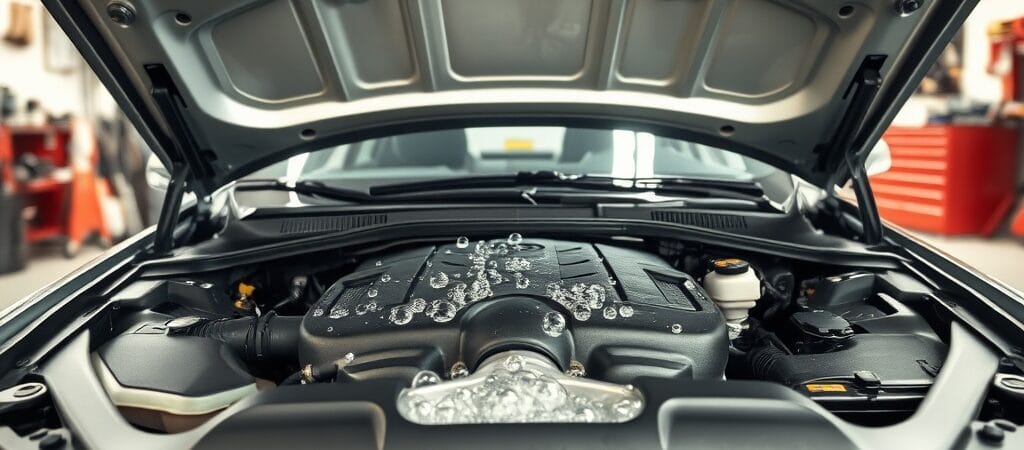
If you’ve noticed coolant boils after shutdown, it’s crucial to grasp what’s occurring in your vehicle’s cooling system. This situation can result from various factors affecting heat dissipation and cooling efficiency. In this article, you will learn about the symptoms, causes, and diagnostic steps to take when dealing with boiling coolant. Recognizing the issue early can prevent further damage to your engine and cooling system.
Why Coolant Boils After Shutdown
If you notice that your coolant boils after shutting down your engine, it’s important to understand what’s happening within your cooling system. This phenomenon can be triggered by residual engine heat and issues that affect how efficiently heat is removed and the system’s ability to contain pressure.
Understanding Heat Soak and Coolant Behavior
Heat soak occurs when residual heat from the engine transfers into nearby components and coolant after the engine is switched off. Because coolant circulation may decrease or stop, temperatures can temporarily rise in certain areas. A correctly functioning pressurized cooling system is designed to accommodate these temperature changes without uncontrolled boiling or coolant loss. However, low coolant, trapped air, insufficient system pressure, or an existing cooling problem can contribute to localized boiling. Some vehicles operate electric cooling fans or coolant pumps after shutdown, while others do not. Heat soak alone does not confirm a cooling system fault.
Normal vs. Excessive Bubbling in Coolant
Coolant movement or changes in reservoir level after shutdown may result from thermal expansion and the cooling system’s design. However, repeated bubbling should not automatically be considered normal. Persistent bubbles, coolant overflowing, steam, unexplained coolant loss, or repeated overheating may indicate a problem requiring diagnosis. Possible causes include trapped air, pressure loss, localized overheating, or combustion gases entering the cooling system. The pattern of symptoms and appropriate testing are needed to identify the actual cause.
Symptoms of Boiling Coolant
Recognizing symptoms that may be associated with boiling coolant can help guide proper diagnosis and repair.
Recognizable Signs to Watch For
Signs that may indicate coolant is boiling or that the cooling system is under unusual stress include steam escaping from the radiator or the coolant overflow reservoir, gurgling sounds from the engine bay, or a marked rise in the dashboard temperature gauge. Note that visible steam or bubbling isn’t always proof of an imminent overheat or boiling condition—it can sometimes result from thermal expansion as the system pressure equalizes. However, these symptoms should prompt inspection, as they may also originate from reduced coolant level or loss of pressure.
Understanding Coolant Overflow and Hissing Sounds
If coolant is bubbling or boiling excessively, it may overflow from the reservoir or radiator when the engine is shut down. Hissing sounds might occur as steam or vapor escapes through the pressure cap or overflow system. Such sounds and behaviors suggest the cooling system could be failing to control pressure or temperature. These signs shouldn’t be ignored and indicate the need for diagnostic checks to determine the actual cause.
Possible Causes of Coolant Boiling After Shutdown
- Low Coolant Levels
Insufficient coolant may reduce the system’s ability to absorb heat, potentially increasing the risk of localized overheating—especially after shutdown. However, low coolant alone does not automatically cause boiling; it increases the chance of heat-related problems that could lead to boiling under certain conditions. - Trapped Air in the Cooling System
Air pockets can disrupt coolant flow, causing localized hot spots that may result in boiling. Air can enter due to leaks or improper system filling. - Loss of System Pressure
If the system does not maintain correct pressure—often due to a faulty radiator cap—the boiling point of coolant is reduced, increasing the risk of boiling after shutdown. - Restricted Coolant Circulation
Restricted coolant circulation during engine operation can contribute to excessive heat buildup that becomes more noticeable after shutdown. Possible causes include a restricted radiator, thermostat problems, water pump faults, or restrictions within coolant passages. The water pump normally stops when a conventional engine-driven pump’s engine is switched off, so stopped circulation alone is not evidence of a malfunction. Diagnosis should establish whether coolant circulation or heat rejection was inadequate while the engine was operating. - Inadequate Operation of Cooling Fans
Cooling fan problems can contribute to overheating when additional airflow is required, particularly at low vehicle speeds or while idling. Some vehicles also operate cooling fans after engine shutdown, depending on temperature and control strategy. However, a fan that remains off after shutdown is not necessarily faulty. Fan operation should be evaluated against the manufacturer’s specified conditions and control strategy. - Possible Combustion Gas Leaks
In some cases, combustion gases can enter the cooling system because of a head-gasket sealing problem, cylinder-head damage, or another internal engine fault. This may cause persistent bubbling, abnormal pressure buildup, coolant loss, or overheating. However, bubbles alone do not confirm a head-gasket failure. Appropriate testing, such as a combustion-gas test or other manufacturer-recommended checks, is necessary before concluding that an internal engine fault exists.
Diagnosing Coolant Boiling Issues
A careful, step-by-step diagnosis can help identify the underlying cause of boiling or bubbling coolant.
Verifying the Complaint: Observational Steps
Begin by documenting when bubbling, gurgling, steam, or coolant overflow occurs. Note whether the engine temperature warning was active before shutdown, whether coolant is being lost, and whether the symptoms repeat. Observe only from a safe distance without opening the cooling system while it is hot or pressurized. If the vehicle is overheating, producing significant steam, or losing coolant, stop operating it and allow it to cool before further inspection. These observations help determine which diagnostic checks are appropriate.
Checking the Basics: Coolant Level and Leaks
Check the coolant level and inspect for visible leaks while the system is cool. Low coolant due to leaks may contribute to overheating, but is not the only possible cause of post-shutdown boiling.
Using an OBD-II Scanner for Diagnostic Codes
Use an OBD-II scanner to look for any codes related to overheating, cooling fan operation, or coolant temperature sensors that may help pinpoint issues affecting the cooling system.
Testing Radiator Cap and Cooling Fans
Once the system is completely cool, inspect the pressure cap and its sealing surfaces for visible damage. A suitable pressure-cap tester may be used to check whether the cap maintains the manufacturer-specified pressure. Cooling fan operation should be checked using vehicle-specific procedures, considering temperature, air-conditioning demand, and control-module commands. Never assume that a fan must run immediately after shutdown, and do not deliberately overheat the engine to test it. Electric cooling fans can start unexpectedly, even when the engine is off.
Identifying and Addressing Air Pockets
If trapped air is suspected, first investigate why air entered the cooling system, including possible leaks or incomplete filling after maintenance. Follow the manufacturer’s specified bleeding or vacuum-filling procedure where appropriate. Some vehicles require specialized equipment or electronically controlled bleeding routines. Confirm that coolant level and temperature behavior return to normal after the procedure rather than assuming that bleeding alone has resolved the original problem.
Further Testing When the Cause Remains Unclear
If basic inspections do not identify the cause, additional testing may be necessary. Depending on the symptoms, a technician may perform a cooling-system pressure test, assess thermostat and coolant circulation behavior, compare temperature readings with scan data, or investigate possible combustion gases entering the coolant. Tests should follow manufacturer procedures, and components should only be replaced when the findings support a specific fault.
Repair Options After Diagnosis
After identifying the cause of the coolant boiling or excessive bubbling, proceed with repairs appropriate to your findings.
Repairs must address the confirmed cause rather than the bubbling symptom alone. Correcting a low coolant level, replacing a pressure cap, or bleeding the system may be appropriate in some cases, but these actions will not resolve an underlying circulation problem, persistent leak, or internal engine fault unless that specific issue is also addressed.
Addressing Low Coolant Situations
If you find low coolant, refill the system and inspect for the source of coolant loss. Repair any leaks before considering the issue resolved.
Bleeding the Cooling System
If air is found in the system, bleed it according to your vehicle’s specifications to ensure all air is removed, restoring proper coolant flow.
Replacing the Radiator Cap
If the radiator cap fails to hold pressure during testing, replace it with an appropriate part that meets your vehicle’s specification. This can help restore correct system pressure and reduce the likelihood of boiling.
Performing a Coolant Flush When Necessary
If coolant is found to be contaminated or degraded, perform a complete flush and refill, following vehicle-specific procedures and recommendations.
Verify the Repair
After completing the confirmed repair, restore the correct coolant level using the manufacturer-approved coolant and filling procedure. Check for leaks, confirm normal temperature behavior during appropriate operating conditions, and verify that the original symptoms do not return. If relevant diagnostic trouble codes were present, review them and confirm that the associated faults have been resolved. Avoid unnecessary prolonged testing if overheating returns.
Safety Considerations When Dealing with Coolant
Working with the cooling system brings risks that require careful safety practices to prevent burns and injuries.
Avoiding Burns: Proper Radiator Cap Handling
Never remove a radiator cap or pressurized coolant reservoir cap while the engine is hot or the system is under pressure. Hot coolant and steam can escape suddenly and cause severe burns. Allow the engine and cooling system to cool completely before inspecting or opening the system, and follow the manufacturer’s instructions. Do not assume that placing a cloth over the cap makes opening a hot cooling system safe.
General Safety Practices During Cooling System Repairs
Always safely support the vehicle if you must inspect beneath. Use proper tools and observe all recommended safety procedures for handling coolant and system components, as improper handling can result in injury or contamination.
Vehicle-Specific Considerations for Cooling Systems
Cooling system designs and maintenance procedures vary by manufacturer and specific vehicle. Always consult your owner’s manual or vehicle-specific service information for the recommended procedures, coolant type, pressure standards, and safety precautions for your specific model. This ensures correct diagnosis, repair, and long-term cooling system health.
Following a structured assessment and referring to accurate diagnostic information will help maintain your cooling system’s performance and prevent future issues associated with coolant boiling after shutdown.
Frequently Asked Questions
What causes coolant to boil after shutdown?
Several factors can cause coolant to boil after the engine is turned off, including low coolant levels, trapped air in the cooling system, loss of system pressure, restricted coolant circulation, poor operation of cooling fans, and potential combustion gas leaks.
Is some bubbling in the coolant normal?
Coolant movement and reservoir-level changes can occur as temperatures change after shutdown. However, persistent bubbling, steam, overflow, or coolant loss should not automatically be considered normal. Further inspection may be necessary to distinguish heat soak from a cooling system fault.
What symptoms indicate boiling coolant?
Common symptoms include steam escaping from the radiator, gurgling sounds, an increase in the temperature gauge, and coolant overflowing from the reservoir.
How can I diagnose coolant boiling issues?
A systematic approach includes checking for visible leaks, inspecting coolant levels, using an OBD-II scanner for diagnostic codes, and testing the radiator cap and cooling fans.
What should I do if I find boiling coolant?
If coolant appears to be boiling, the vehicle is overheating, or steam is escaping, stop the engine in a safe location and allow the cooling system to cool completely. Do not open the pressure cap while hot. Once safe, inspect the coolant level and visible signs of leakage. Repeated boiling or coolant loss requires diagnosis before further driving.
Final Checks
Coolant boiling after shutdown may result from excessive heat buildup, low coolant, trapped air, pressure loss, restricted cooling-system performance, or other faults. Heat soak can cause temporary temperature changes, but persistent bubbling, steam, overflow, or coolant loss should be investigated rather than attributed to normal operation. A structured diagnosis helps identify the actual cause before repairs are performed. Always allow the cooling system to cool completely before opening it, and verify that the original problem has been resolved after repair.