
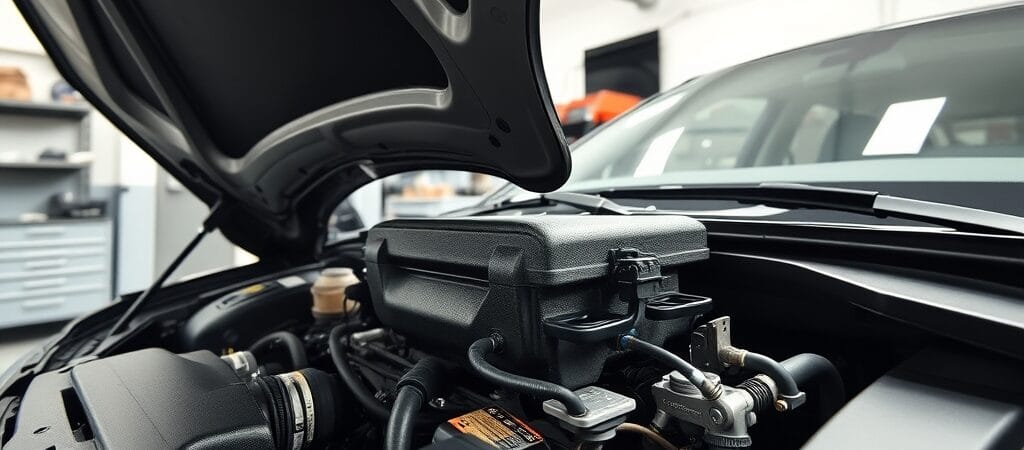
The P0115 code indicates that the engine control module (ECM/PCM) has detected a malfunction in the Engine Coolant Temperature (ECT) sensor circuit. This does not automatically mean the sensor itself has failed. Wiring faults, connector problems, sensor issues, or other circuit-related conditions may be responsible. This guide explains what P0115 means, possible symptoms, and how to diagnose the problem before replacing components.
What Does the P0115 Code Mean?
P0115 is a generic OBD-II diagnostic trouble code meaning “Engine Coolant Temperature Sensor 1 Circuit Malfunction.” The engine control module uses coolant temperature information to help manage fuel delivery, starting behavior, and other engine functions. P0115 indicates that the module has detected a malfunction in the ECT sensor circuit according to its monitoring strategy. It does not identify a failed sensor or prove that the engine is overheating. The exact conditions that trigger the code and the appropriate tests depend on the vehicle.
Symptoms Associated with P0115 Code
Drivers may notice several symptoms when the P0115 code is active in a vehicle.
Engine Performance Issues
Depending on the vehicle and how its engine management system responds to the fault, P0115 may be accompanied by a check engine light, hard starting, rough running, increased fuel consumption, or changes in idle behavior. Some vehicles may show few noticeable driving symptoms. These observations can help guide diagnosis but do not confirm which component is faulty.
Overheating Risks
Incorrect coolant temperature information can affect cooling fan control on some vehicles. Certain systems may operate the fan continuously as a protective response, while others use different fallback strategies. P0115 does not necessarily mean the engine is overheating or that the cooling fan has failed. If an actual overheating warning occurs, stop safely and investigate the cooling system separately rather than assuming the ECT sensor is responsible.
Common Causes of the P0115 Code
It’s important to understand that multiple issues can cause the P0115 code to appear, and the exact cause must be confirmed through diagnosis rather than assumption.
Faulty ECT Sensor
While a faulty ECT sensor can cause the code, it is not always the actual source of the problem. The sensor itself may malfunction and provide incorrect readings, but this should only be concluded after other possible causes have been ruled out through systematic testing.
Wiring and Connector Problems
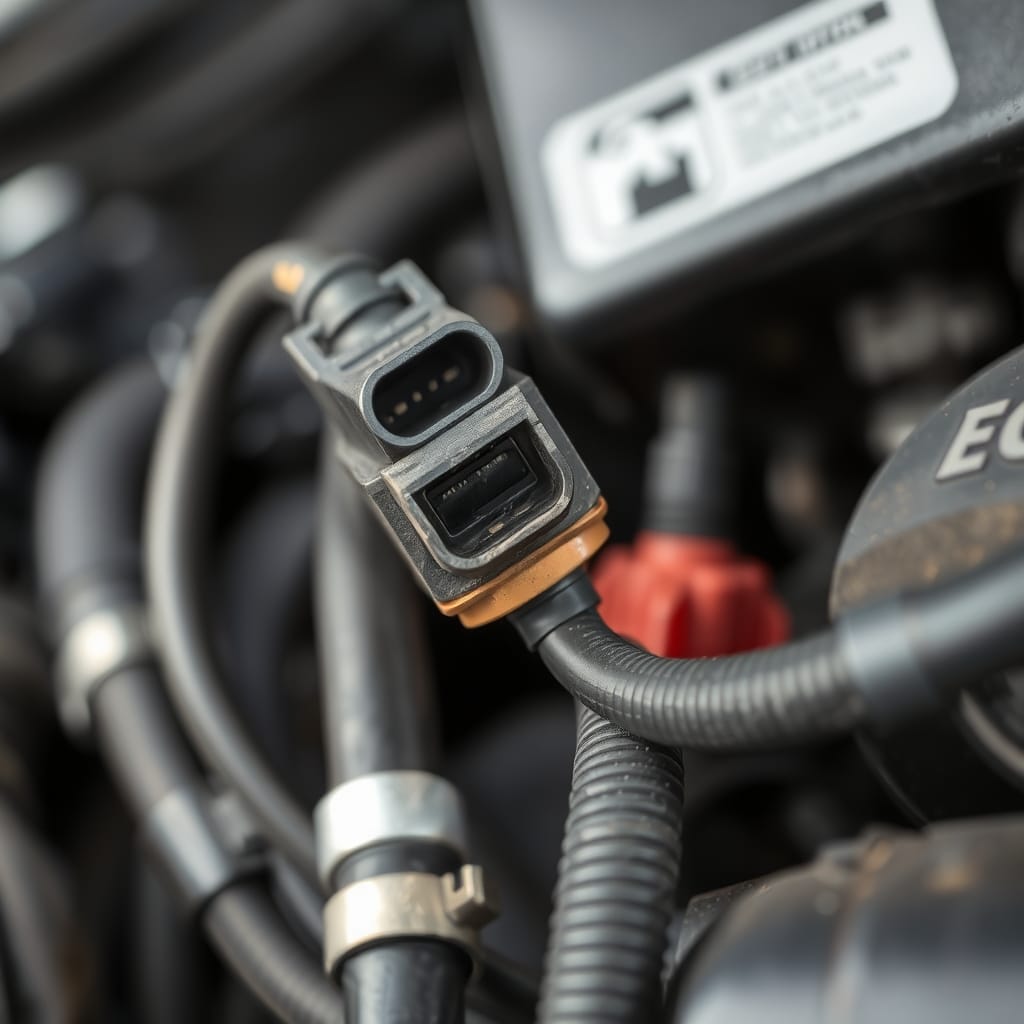
Wiring or connector issues are also common contributors to a P0115 code. Damaged wires, corrosion, poor connections, or bent connector pins in the ECT sensor circuit can result in erratic signals or total circuit failure, causing the code to set.
Reference, Ground, and Control-Circuit Problems
Depending on the sensor circuit design, problems with the sensor ground, reference supply, signal wiring, or control-module connections may produce abnormal coolant temperature readings. Some ECT sensors use a thermistor circuit with a control-module-supplied reference and an internal pull-up arrangement. Diagnosis should follow the manufacturer’s wiring diagram rather than assuming every vehicle uses the same electrical configuration. Control-module or software problems are less common possibilities and should only be considered after the circuit and sensor have been properly tested.
Other Potential Causes
Low coolant or trapped air may affect how accurately a coolant temperature sensor reflects actual engine temperature, depending on its location and cooling system design. However, these conditions do not automatically explain a P0115 circuit malfunction. Rare control-module faults may also be considered when manufacturer-specific diagnostic procedures support that conclusion.
How to Diagnose the P0115 Code
A systematic approach is needed to accurately diagnose the P0115 code and identify its root cause.
Verifying the Initial Complaint
Confirm the P0115 code using a compatible diagnostic scanner. Record additional trouble codes, freeze-frame information, and the conditions under which the fault occurred. If available, compare the reported coolant temperature with ambient temperature after the engine has been parked long enough to cool. A reading that is clearly implausible may suggest a sensor or circuit problem, but temperature differences must be interpreted according to vehicle conditions and manufacturer guidance. For help understanding diagnostic trouble codes, see our guide to reading OBD2 codes.
Inspecting Coolant Level, Wiring, and Connectors
With the engine completely cool, check the coolant level according to the manufacturer’s instructions. Inspect accessible ECT sensor wiring and connectors for damaged insulation, corrosion, loose terminals, moisture, or signs of overheating. Check relevant grounds and wiring routes using the correct circuit diagram. Do not assume that low coolant or a visibly damaged connector is the confirmed cause until the findings are consistent with the stored code and appropriate testing.
Testing the ECT Sensor Circuit
Use vehicle-specific service information to identify the ECT sensor’s circuit design, connector terminals, and expected test values. Compare scan-tool coolant temperature readings with actual engine conditions and, where appropriate, an independent temperature measurement. With the circuit configured as specified by the manufacturer, test the sensor’s resistance at a known temperature or assess the signal, reference, and ground circuits using suitable equipment. Many ECT sensors are temperature-dependent thermistors, but resistance specifications and testing methods vary. Never measure resistance on an energized circuit, and avoid probing connectors in ways that could damage terminals or control modules. An abnormal reading requires further isolation to determine whether the fault is in the sensor, wiring, connector, or another part of the circuit.
Further Steps and Isolating the Fault
If the initial tests do not identify the cause, continue with the manufacturer’s diagnostic procedure. Depending on the vehicle, this may include checking circuit continuity, unwanted resistance, shorts to power or ground, and the control module’s response to specified test conditions. Replace the ECT sensor only when testing confirms that it is defective. Do not recommend ECM replacement or software updates without supporting manufacturer-specific diagnostic evidence.
Repair Options After Diagnosis
Once step-by-step diagnosis identifies the source of the fault, appropriate repairs can be made.
When to Replace the ECT Sensor
If testing (using vehicle-specific procedures and specifications) confirms that the ECT sensor is faulty, replace it with a new sensor that matches manufacturer requirements. Only perform this step after eliminating other potential causes.
Addressing Wiring, Connector, and Ground Issues
If wiring damage, connector corrosion, or poor grounds are found during inspection or testing, repair or replace the affected components. This may involve replacing sections of wiring, cleaning and tightening electrical connections, or properly securing a ground connection. Restoring consistent and reliable electrical continuity is essential for accurate sensor operation.
Other Repairs
If software mismatch or ECU-related issues are diagnosed (using appropriate dealership or advanced scan tools and procedures), follow the vehicle manufacturer’s guidance for software updates or module repair as needed.
Verify the Repair
After repairing the confirmed fault, reconnect all components correctly and restore any coolant removed during service using the manufacturer’s specified procedure. Clear diagnostic codes when appropriate, then monitor ECT readings and confirm that they change plausibly as the engine warms. Check whether P0115 returns under the relevant operating conditions and complete any required manufacturer-specific verification procedure. Do not consider the repair confirmed solely because the warning light has temporarily turned off.
Safety Considerations While Diagnosing P0115
Work around the cooling system only when it is safe to do so. Never open a radiator or pressurized coolant reservoir cap while the system is hot, because escaping coolant or steam can cause serious burns. Keep hands, clothing, and tools away from moving belts and electric cooling fans, which may operate unexpectedly. Follow the manufacturer’s instructions before disconnecting electrical connectors or performing powered circuit tests; routine battery disconnection is not required for every diagnostic procedure. Never test resistance on a powered circuit. If work underneath the vehicle is necessary, support it using approved equipment and never rely on a jack alone.
Vehicle-Specific Diagnostic Considerations
ECT sensor location, wiring configuration, expected temperature readings, and diagnostic procedures vary by manufacturer and engine design. Consult the correct service information for sensor identification, wiring diagrams, connector pin assignments, test specifications, and any required repair verification. Do not apply generic voltage or resistance values to every vehicle.
Frequently Asked Questions
What does the P0115 code mean?
P0115 means “Engine Coolant Temperature Sensor 1 Circuit Malfunction.” It indicates that the engine control module has detected a problem with the ECT sensor circuit, not necessarily that the sensor itself has failed.
What are the common causes of the P0115 code?
Possible causes include a faulty ECT sensor, damaged wiring, poor connector contacts, reference or ground circuit problems, and less commonly a control-module fault. The actual cause must be confirmed through testing.
Can the vehicle still be driven with the P0115 code?
Some vehicles may remain drivable with P0115, but incorrect coolant temperature information can affect engine operation or cooling fan control. If the engine is actually overheating, a temperature warning appears, or the vehicle runs poorly, stop safely and seek diagnosis before continuing.
How is the P0115 code diagnosed?
Diagnosing the P0115 code involves verifying symptoms, inspecting wiring and connectors, and testing the ECT sensor with a multimeter.
Does the P0115 code mean a specific part must be replaced?
Not necessarily; the code indicates an issue that needs to be diagnosed further before deciding on specific repairs or component replacements.
What should I do after diagnosing the P0115 code?
Repair the confirmed sensor or circuit fault, restore any disturbed coolant or electrical connections, and verify plausible coolant temperature readings. Confirm that P0115 does not return under the appropriate operating conditions.
Final Checks
The P0115 code identifies a malfunction detected in the Engine Coolant Temperature sensor circuit, but it does not prove that the sensor has failed or that the engine is overheating. Accurate diagnosis requires checking the stored codes, reviewing temperature data, inspecting wiring and connectors, and performing vehicle-specific circuit tests. Repair only the confirmed cause and verify that normal temperature readings and system operation have been restored.