

The P0118 code indicates that the engine control module (ECM) has detected an excessively high electrical input from the Engine Coolant Temperature (ECT) sensor circuit. This does not mean the engine coolant is necessarily too hot. On many vehicles, a high ECT circuit voltage corresponds to an implausibly low reported coolant temperature.
The problem may involve the sensor, its connector, wiring, or another part of the electrical circuit. This guide explains what P0118 means, possible symptoms and causes, and how to diagnose the fault before replacing components.
What Does the P0118 Code Mean?
P0118 is a generic OBD-II diagnostic trouble code defined as Engine Coolant Temperature Sensor 1 Circuit High.
The ECT sensor provides temperature information that the ECM uses for fuel delivery, cold-start operation, emissions management, and other engine-control functions.
Many vehicles use a negative temperature coefficient (NTC) thermistor, whose resistance decreases as temperature increases. In a typical circuit, an open connection or unusually high resistance can cause the ECM to see a high signal voltage and report an extremely low coolant temperature.
However, sensor designs and diagnostic strategies vary. P0118 identifies an electrical input condition; it does not prove that the ECT sensor itself has failed.
Symptoms Associated with the P0118 Code
Symptoms depend on the vehicle and how its engine management system responds to the fault.
Check Engine Light
The check engine light commonly illuminates when the ECM detects the ECT circuit fault. Additional trouble codes may also be stored.
Hard Starting or Rough Running
Incorrect temperature information can affect cold-start fueling and engine operation. Some vehicles may experience difficult starting, rough idle, hesitation, or unstable engine performance.
These symptoms are not exclusive to P0118.
Increased Fuel Consumption
If the ECM interprets the engine as colder than it actually is, it may alter fuel delivery. This can increase fuel consumption on some vehicles.
Cooling Fan or Temperature Display Behavior
Some vehicles command cooling fans to run as a protective strategy when coolant temperature information is unreliable.
The dashboard temperature gauge may also display an abnormal reading, depending on the vehicle’s design.
Neither behavior confirms a failed temperature sensor.
Possible Causes of the P0118 Code
Open ECT Sensor Circuit
An open circuit is an important possibility when diagnosing P0118.
A broken wire, disconnected sensor, damaged terminal, or poor electrical connection may prevent the ECM from receiving the expected signal.
On many conventional ECT circuits, this can produce a high input voltage.
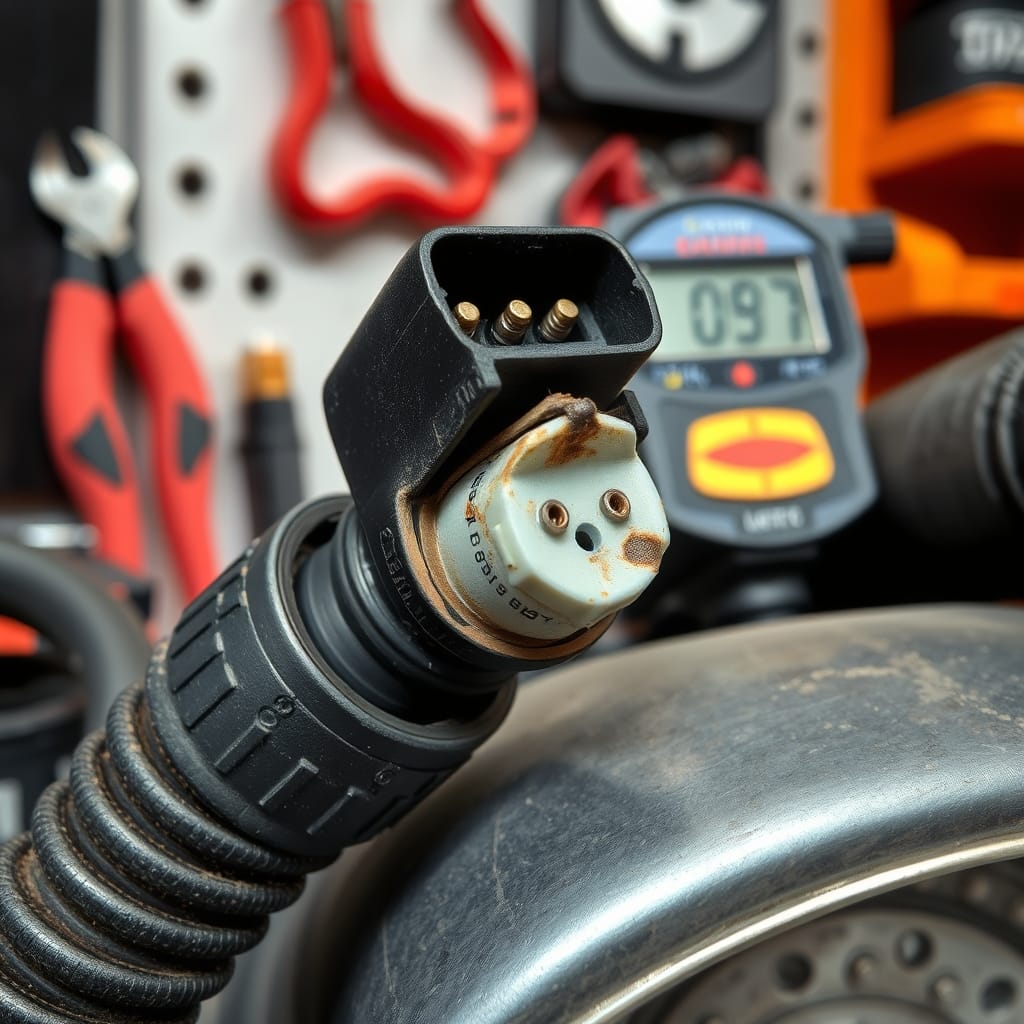
Damaged or Corroded Connectors
Loose terminals, corrosion, moisture intrusion, or damaged connector pins can interrupt the sensor circuit or cause intermittent readings.
The problem may appear only under certain temperature or vibration conditions.
Faulty ECT Sensor
An internally open or otherwise defective ECT sensor may cause an implausible signal.
However, the sensor should only be replaced when appropriate testing confirms the fault.
Signal Circuit Short to Voltage
Depending on circuit design, an unwanted connection to a voltage source may produce a high input condition.
Testing must follow the manufacturer’s wiring diagram and diagnostic procedure.
Less Common ECM or Circuit Problems
An internal ECM fault or another unusual electrical problem is possible but generally requires more extensive testing.
Do not replace or reprogram an ECM solely because P0118 is stored.
Are Thermostat Problems a Cause?
A thermostat stuck open or another cooling-system problem can affect actual coolant temperature, but it is not normally the primary explanation for a high ECT circuit input.
Thermostat-related temperature problems are often associated with different diagnostic conditions, such as P0128.
If the actual engine temperature is abnormal, investigate the cooling system separately rather than assuming it caused P0118.
How to Diagnose the P0118 Code
A structured diagnostic process helps distinguish a failed sensor from a wiring or connection problem.
Step 1: Verify the Complaint
Confirm that P0118 is stored or pending using a suitable OBD-II scanner.
Record any reported symptoms, check engine light behavior, and additional trouble codes.
Review freeze-frame information when available.
Step 2: Inspect the ECT Sensor and Connector
Locate the appropriate ECT sensor using vehicle-specific service information.
With the engine cool and ignition in the condition specified by the manufacturer, inspect accessible wiring and connectors.
Look for:
Disconnected or loose connectors.
Corroded or bent terminals.
Damaged insulation or broken wires.
Wiring exposed to excessive heat or rubbing.
Signs of coolant contamination or moisture intrusion.
Repair obvious damage only when it is properly identified and confirmed.
Step 3: Compare ECT Live Data with Engine Conditions
Read the ECT value using a scan tool.
After the vehicle has been parked long enough for the engine to cool, compare the reported coolant temperature with ambient conditions and other available temperature readings, such as intake air temperature.
The values should be reasonably consistent under suitable cold-soak conditions, allowing for sensor location and environmental differences.
An extremely low or implausible ECT reading may support a circuit-high diagnosis.
However, live data alone cannot distinguish every possible sensor, wiring, or module fault.
For help understanding diagnostic codes and scan-tool information, see our How to Read OBD2 Codes guide.
Step 4: Test the Sensor and Circuit
Follow the manufacturer’s diagnostic procedure and wiring diagram.
Depending on the sensor design, appropriate testing may include:
Checking the sensor’s resistance against the specified temperature-resistance relationship.
Inspecting the signal and ground circuits.
Checking for an open circuit or excessive resistance.
Testing for an unintended short to voltage.
Confirming connector integrity and terminal contact.
For a conventional two-wire thermistor, an open circuit may cause the ECM to report a very low coolant temperature.
Do not assume that all vehicles use the same reference voltage, resistance values, connector arrangement, or diagnostic strategy.
Avoid probing terminals in ways that could damage connectors or control modules.
Step 5: Confirm the Fault Before Replacing Parts
Use the test results to determine whether the problem is in the ECT sensor, wiring, connector, or another part of the circuit.
If results are inconclusive, continue with the manufacturer’s pinpoint diagnostic tests.
ECM replacement or software work should only be considered when supported by specific evidence and service information.
Repair Options After Diagnosis
Replace a Confirmed Faulty ECT Sensor
If testing confirms that the ECT sensor is defective, replace it with a component that meets the vehicle manufacturer’s specifications.
Follow the correct installation procedure. Some sensor locations may require coolant draining, refilling, or bleeding.
Repair Wiring and Connectors
If diagnosis identifies broken wires, poor terminal contact, corrosion, or connector damage, repair the affected circuit using approved methods.
Make sure the wiring is correctly routed and protected from heat and moving components.
Address Other Confirmed Faults
If additional testing identifies an uncommon control-module or circuit issue, follow the appropriate manufacturer-approved repair procedure.
Avoid replacing unrelated cooling-system components without evidence.
How to Verify the P0118 Repair
After completing the confirmed repair:
Check that the sensor connector and repaired wiring are secure.
Confirm that the scan-tool coolant temperature reading is plausible.
Clear the trouble code using the appropriate procedure.
Operate the vehicle under suitable conditions and check whether the original symptoms return.
Confirm that P0118 does not return and, where supported, that the relevant diagnostic monitor completes successfully.
If cooling-system components were opened, also verify the coolant level and follow the required filling and bleeding procedure.
A cleared code alone does not prove that the underlying problem has been repaired.
Safety Considerations When Diagnosing P0118
Always allow the engine and cooling system to cool before removing a coolant temperature sensor or opening any cooling-system component.
Never remove a pressurized radiator or coolant reservoir cap while the system is hot.
Keep hands, tools, and clothing away from belts, pulleys, and cooling fans. Electric fans may start unexpectedly.
Use appropriate electrical testing procedures and avoid shorting sensor circuits or control-module terminals.
If the engine is overheating, producing steam, or losing coolant rapidly, stop driving when safe and arrange appropriate inspection.
Vehicle-Specific Diagnostic Considerations
ECT sensor configurations, wiring diagrams, electrical specifications, and ECM monitoring strategies vary between vehicles.
Some engines have more than one coolant temperature sensor or use different temperature inputs for different functions.
Always identify the correct sensor and circuit before testing or replacing components.
Consult the manufacturer’s service information for accurate procedures, specifications, and repair instructions.
Frequently Asked Questions
What does the P0118 code mean?
P0118 means Engine Coolant Temperature Sensor 1 Circuit High. It indicates that the ECM has detected an excessively high electrical input from the ECT sensor circuit.
Does P0118 mean the engine is overheating?
No. P0118 refers to high electrical input, not necessarily high coolant temperature. On many vehicles, the ECM may interpret the signal as an extremely cold temperature.
What are the common causes of P0118?
Possible causes include an open sensor circuit, damaged wiring, loose or corroded connectors, a faulty ECT sensor, or an electrical short to voltage. Less commonly, a control-module problem may be involved.
Can I drive with a P0118 code?
The vehicle may remain drivable, but incorrect temperature information can affect engine operation. If there is overheating, severe drivability trouble, or another serious warning, stop driving when safe. Otherwise, arrange diagnosis promptly.
Does P0118 mean I need a new coolant temperature sensor?
No. The code does not confirm a failed sensor. Wiring, connectors, and other circuit faults must also be considered.
How can I confirm the repair was successful?
Check that the reported coolant temperature is plausible, verify the original symptoms are resolved, and confirm the code does not return after the appropriate operating conditions and diagnostic checks.
Final Checks
The P0118 code identifies a high-input condition in the Engine Coolant Temperature Sensor 1 circuit. It does not prove that the engine is overheating or that the temperature sensor has failed.
Begin with the code and live data, inspect the sensor connector and wiring, and use vehicle-specific electrical tests to confirm the actual cause. Repair only the verified fault and confirm that the system operates correctly afterward.