
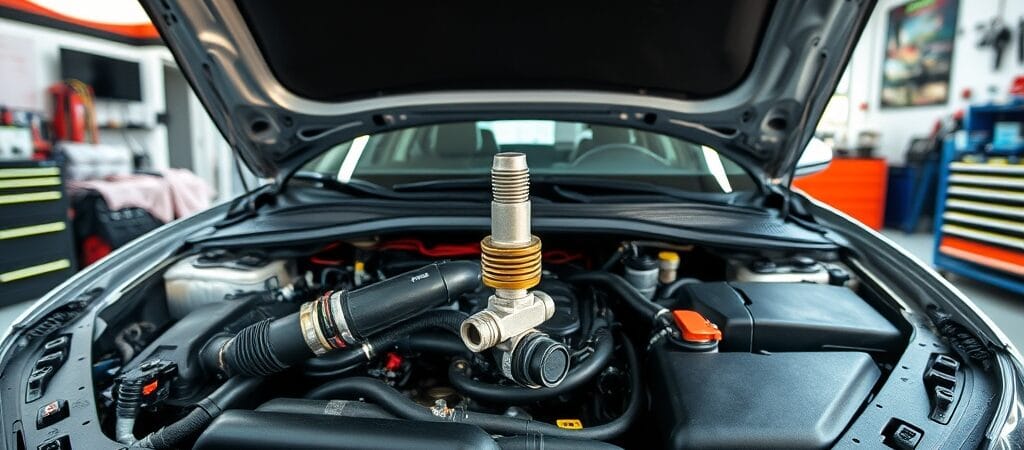
A coolant temperature sensor provides information that the engine control module may use for fueling, temperature monitoring and other functions. If the reading is incorrect, the vehicle may develop drivability problems or store diagnostic trouble codes. This guide explains how to diagnose a coolant temperature sensor by checking symptoms, coolant conditions, scan data, wiring and sensor operation before deciding whether replacement is necessary.
How to Diagnose a Coolant Temperature Sensor
To effectively diagnose a coolant temperature sensor, follow a structured approach to determine whether the sensor is functioning correctly or contributing to vehicle issues. Diagnosis involves understanding the sensor’s role, identifying symptoms of potential failure, checking common causes, and applying relevant tests.
Understanding the Role of the Coolant Temperature Sensor
The engine coolant temperature (ECT) sensor measures temperature at its installed location and sends an electrical signal to the engine control module. Depending on vehicle design, this information may influence fueling, ignition strategy, cooling-fan control and other functions. Some vehicles use more than one temperature sensor. A reading that appears incorrect does not automatically mean the sensor has failed; actual coolant temperature, coolant level, wiring and control-module inputs must also be considered.
Symptoms That May Indicate a Coolant Temperature Sensor Problem
Check Engine Light Activation
A coolant-temperature-related trouble code may illuminate the Check Engine Light. Codes such as P0117 or P0118 indicate detected circuit conditions, not necessarily a failed sensor. Retrieve all stored codes and available freeze-frame information before choosing a test.
Overheating Issues
An inaccurate ECT signal can affect temperature-dependent control functions on some vehicles, including cooling-fan operation. However, overheating may also result from low coolant, restricted circulation, thermostat problems or other cooling-system faults. Confirm whether the engine is actually overheating before attributing the problem to the sensor.
Reduced Fuel Economy
An incorrect coolant temperature reading may affect fuel delivery and warm-up strategies, potentially increasing fuel consumption. Reduced fuel economy alone is not sufficient evidence of an ECT sensor fault.
Black Smoke Emissions
An incorrect temperature signal may contribute to an excessively rich mixture in some engines, potentially producing dark exhaust smoke. However, smoke can have several causes and should not be treated as proof of a faulty coolant temperature sensor.
Stalling and Engine Performance Problems
Incorrect temperature information may contribute to hard starting, unstable idle, hesitation or stalling on some vehicles. These symptoms overlap with many ignition, fueling, intake and mechanical problems, so further testing is required.
Possible Causes of Incorrect Coolant Temperature Readings
If you suspect your coolant temperature sensor is malfunctioning, consider various possible causes.
Electrical Connector Issues
Loose terminals, corrosion, damaged wiring, poor grounds or circuit faults can produce inaccurate or intermittent temperature readings. Inspect accessible wiring and connectors before assuming the sensor itself has failed.
Faulty ECT Sensor Functionality
The sensor may have an internal electrical fault or produce readings inconsistent with actual temperature. Confirm this through vehicle-specific scan-data and circuit testing. Resistance testing is appropriate only when the manufacturer’s sensor design and procedure support it.
Coolant Level Problems
Low coolant or trapped air can affect temperature measurement depending on the sensor’s location and cooling-system design. Check coolant level only when the system is cool, and investigate leaks or air-entry problems if indicated.
Thermostat Malfunctions
A thermostat stuck open or closed can cause genuine abnormal coolant temperatures. The ECT sensor may be reporting those temperatures correctly. Distinguish a cooling-system problem from a sensor or circuit fault before replacing parts.
ECM Problems
Control-module faults are possible but generally should be considered only after the relevant power, ground, wiring, sensor and temperature conditions have been tested according to manufacturer procedures.
Diagnostic Approach for the Coolant Temperature Sensor
Following a systematic diagnostic approach is crucial for accurately assessing the condition of the coolant temperature sensor.
Verifying the Complaint
Record the symptoms, warning lights and conditions under which the problem occurs. Determine whether the concern is an implausible temperature reading, an actual cooling problem or an engine-performance symptom. Do not deliberately overheat the engine to reproduce the complaint.
Inspecting Simple Causes
With the engine cool, check coolant level and look for visible leaks, damaged wiring, loose connectors and corrosion. Confirm that the cooling system is properly filled. Do not remove a radiator or expansion-tank pressure cap while the system is hot or pressurized.
Scanning for Trouble Codes
Use a compatible scan tool to retrieve stored and pending codes, freeze-frame information and ECT live data where available. With the engine fully cold after sufficient time parked, compare the reported ECT value with ambient conditions and other relevant temperature readings. Allow for normal differences, sensor locations and vehicle-specific behavior.
Codes such as P0117 and P0118 can guide circuit diagnosis, but they do not identify a failed component by themselves. For help understanding scanner results, see our how to read obd2 codes.
.
Testing Relevant Components
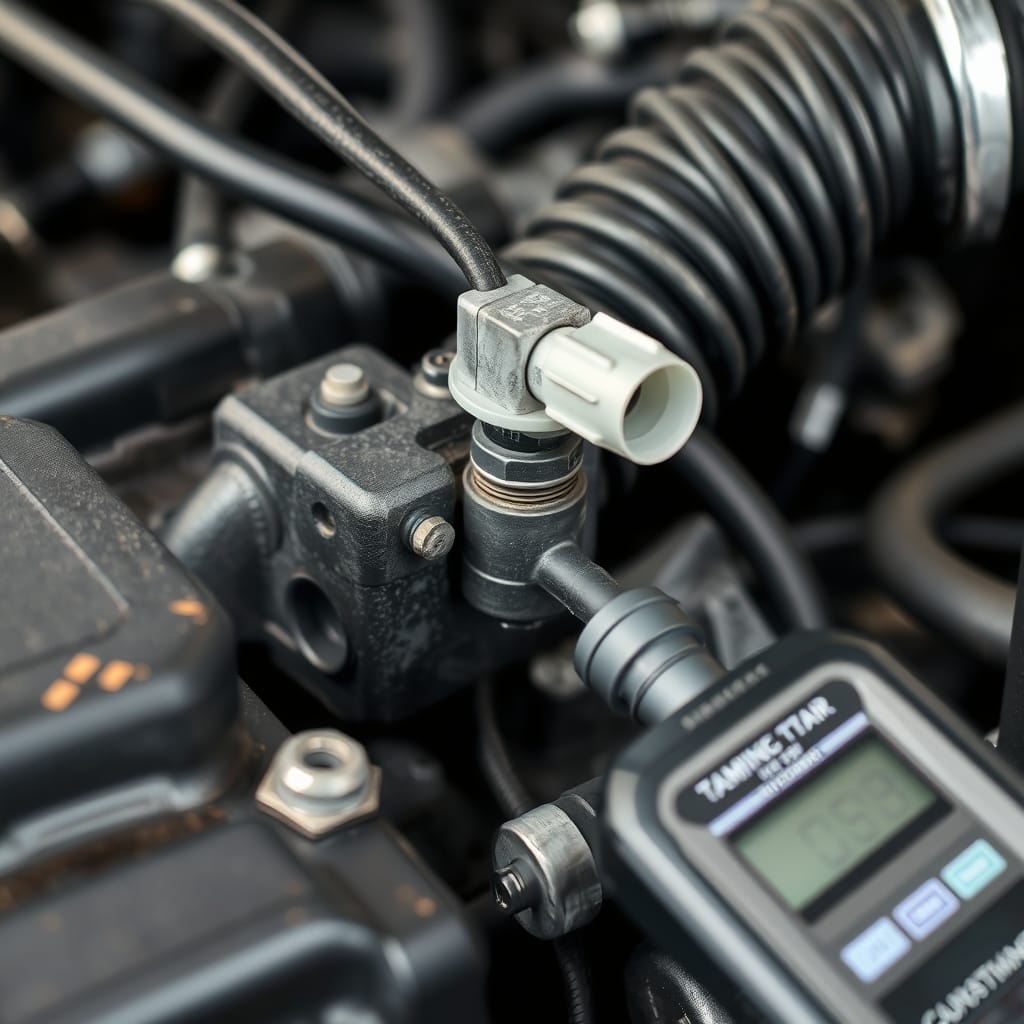
If the scan data is implausible or intermittent, inspect the sensor connector and test the relevant signal, reference and ground circuits according to the manufacturer’s wiring diagram. Depending on the sensor design, service information may specify resistance checks at known temperatures, voltage measurements or other procedures.
Do not assume every ECT sensor uses the same resistance chart or can be tested using the same method. If the sensor data is plausible but the engine temperature is abnormal, investigate the thermostat, coolant circulation and other cooling-system components instead.
Recommended Diagnostic Tools
Compatible scan tool: To retrieve trouble codes, freeze-frame information and live coolant temperature data where supported.
Digital multimeter: For circuit measurements specified by vehicle service information.
Vehicle-specific service information: For wiring diagrams, sensor characteristics and test procedures.
Suitable temperature-measuring equipment: Where needed to compare sensor data with actual temperature at an appropriate measurement point.
Basic inspection tools and protective equipment: For safe access to connectors and visible cooling-system components.
Sensor removal is not normally the first diagnostic step. Avoid opening the cooling system or disturbing a sensor until testing establishes a reason to do so.
Repair Considerations After Diagnosis
Repair Only the Confirmed Cause
Repair damaged wiring or connectors when testing identifies a circuit problem. Correct coolant leaks, improper coolant level or trapped air when those conditions are confirmed. Replace the ECT sensor only when testing demonstrates that it is faulty.
If sensor replacement requires opening the cooling system, follow the manufacturer’s instructions for coolant handling, installation, refilling and air bleeding.
Verify the Repair
After the repair, check for leaks and confirm that the coolant temperature reading behaves plausibly during normal warm-up. Clear relevant trouble codes when appropriate, then verify the original complaint under safe operating conditions. Complete any applicable manufacturer-specified verification procedure before considering the repair successful.
Safety Precautions When Working on the Cooling System
Allow the engine and cooling system to cool before inspecting coolant levels, opening pressure caps or removing temperature sensors.
Never open a hot, pressurized cooling system.
Keep hands, tools and clothing away from moving belts and fans. Electric cooling fans may start unexpectedly.
Follow manufacturer procedures when probing electrical circuits or disconnecting components. Do not disconnect the battery routinely unless the specified procedure requires it.
Handle and dispose of coolant safely; keep it away from children and animals.
If vehicle lifting is necessary, use approved support points and properly rated stands or a suitable lift. Never work underneath a vehicle supported only by a jack.
Frequently Asked Questions
What are the main symptoms of a faulty coolant temperature sensor?
Possible signs include temperature-related trouble codes, abnormal temperature readings, hard starting, poor fuel economy or drivability problems. None of these symptoms confirms a failed sensor without testing.
How can I check if my coolant temperature sensor is functioning correctly?
Compare live ECT data with plausible actual temperatures, inspect the wiring and connectors, and perform manufacturer-specified electrical tests when indicated.
What basic tools are needed for diagnosing the coolant temperature sensor?
A compatible scan tool, vehicle-specific service information and basic inspection tools are useful. A multimeter and suitable temperature-measuring equipment may be needed for targeted testing.
Can low coolant levels affect the coolant temperature sensor readings?
Yes. Depending on the cooling-system layout and sensor location, low coolant or trapped air may affect the temperature reported by the sensor.
When should I consider replacing my coolant temperature sensor?
Replace it only after testing confirms that the sensor is defective and other causes, such as wiring faults or abnormal actual coolant temperature, have been considered.
Final Checks
Diagnosing a coolant temperature sensor requires separating an actual cooling-system problem from an inaccurate sensor signal or electrical circuit fault. Begin with safe visual checks, review trouble codes and live data, and perform targeted tests using vehicle-specific specifications. Repair only the confirmed cause and verify that the temperature readings and original symptoms have returned to normal.