

When the check engine light illuminates on your dashboard, it can be a source of stress and confusion. This article will guide you through understanding the check engine light’s significance, common causes, and how to effectively reset it after identifying and resolving the underlying issues. Ignoring this light can lead to more serious problems, so it’s crucial to approach its diagnosis carefully. Several potential factors could trigger the check engine light, so understanding the situation is key to proper vehicle maintenance.
Details About the Check Engine Light
The check engine light (CEL) is an important indicator on your vehicle’s dashboard, serving as a warning for potential issues.
Significance of the Light
When the check engine light turns on, it means that the Engine Control Unit (ECU) has detected an issue within the engine or emissions system. This can range from minor problems, such as a loose gas cap, to more serious concerns like engine misfires or catalytic converter failures. Ignoring this light can lead to more significant issues, impacting your vehicle’s efficiency and safety.
Understanding Severity and Driving Risks
Being aware of what the check engine light means can help you better manage your vehicle’s condition.
Interpreting Steady and Flashing Lights
A steady check engine light typically indicates a minor issue, while a flashing light suggests a serious problem that requires immediate attention. For instance, a flashing light often points to a misfire that could damage the catalytic converter if not addressed quickly. Always treat a flashing light seriously and seek assistance to prevent further damage.
Common Triggers for the Check Engine Light
Here are several common issues that can activate the check engine light:
- Loose or Faulty Gas Cap: A loose gas cap can cause fuel vapors to escape, prompting the CEL.
- O2 Sensor Problems: Malfunctioning oxygen sensors can affect fuel efficiency and emissions.
- Catalytic Converter Concerns: Issues with this component can negatively influence exhaust emissions.
- Mass Airflow Sensor Issues: Incorrect readings from this sensor can disrupt the air-fuel mixture.
- Ignition System Malfunctions: Problems such as worn spark plugs or ignition coils can result in engine misfires.
How to Diagnose the Issue
Diagnosing the cause of the check engine light involves a series of systematic steps.
Initial Inspection Steps
Begin with a visual inspection of your vehicle for obvious issues. Check for loose or damaged hoses, a poorly attached gas cap, or signs of leaks. If everything looks intact, move on to more technical diagnostics, as the CEL may not indicate the direct cause of the problem.
Utilizing OBD-II Scanners
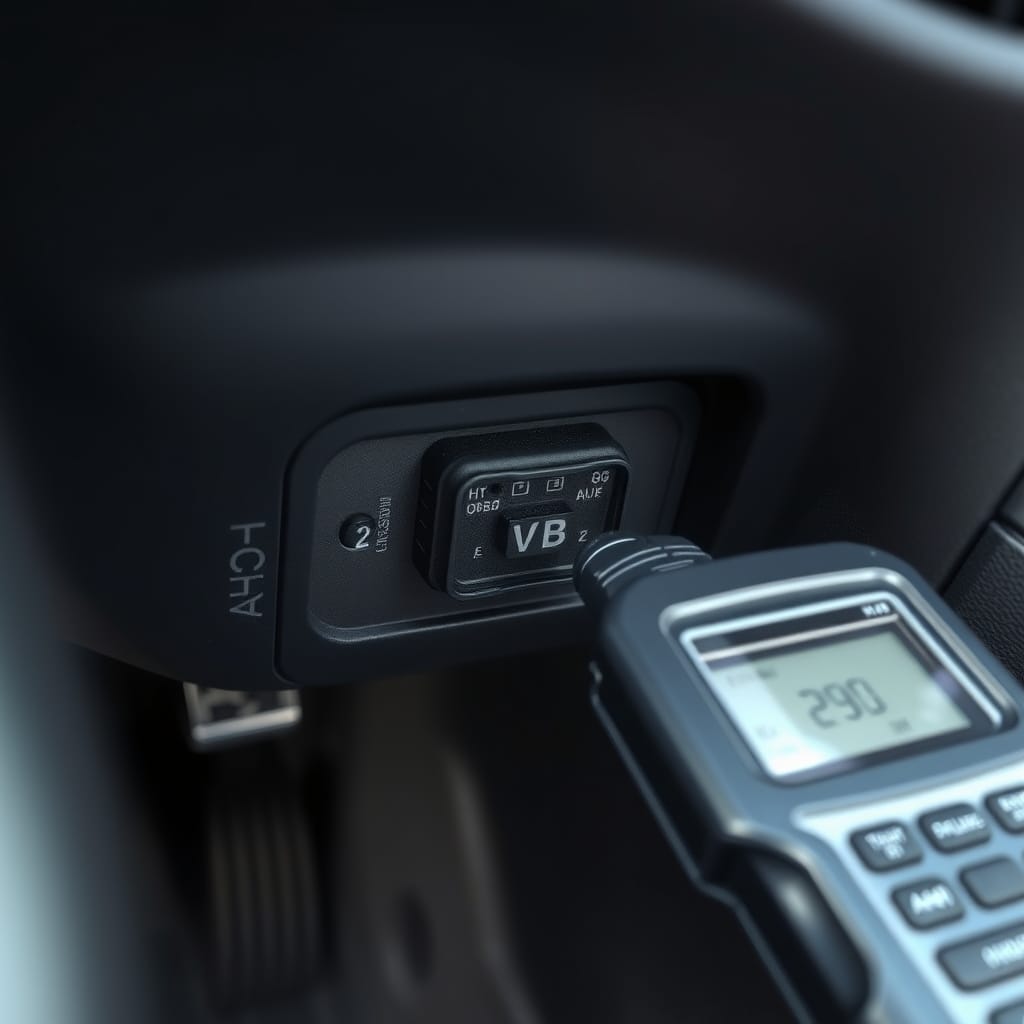
An OBD-II scanner is a useful tool for checking the check engine light. Connect the scanner to the OBD-II port, typically found under the dashboard near the steering column. The scanner will provide any stored diagnostic trouble codes (DTCs), which can hint at the cause of the light being on. Remember that while the DTCs can suggest a failed component, it is important to confirm that the part is indeed the issue through further inspection and testing.
Repair Strategies After Diagnosis
Following diagnosis, repair options will depend on what you’ve discovered. If it’s a loose gas cap, simply tightening it may resolve the issue. For more complicated problems such as a failing catalytic converter or ignition components, replacing parts may be necessary. Some repairs require specific skills or tools, so assess your own capabilities before proceeding.
Avoiding Common Mistakes When Resetting
Resetting the check engine light without resolving the underlying issue can lead to further problems. Many DIYers clear the light only to have it turn back on soon after because the root problem remains. Always address the cause before resetting the light. Additionally, be cautious about using a scanner to reset the CEL if you are not fully aware of the previous stored codes, as this can complicate further diagnosis.
When to Consult a Professional
If you cannot diagnose the problem using the steps provided or if the check engine light persists after attempted repairs, it might be time to consult a professional technician. This is particularly important if the light is flashing, as driving under these circumstances could cause serious damage. A trained technician can conduct more thorough diagnostics and provide insights that may be beyond the reach of the average vehicle owner.
Frequently Asked Questions
Can I reset the check engine light myself?
Yes, but doing so won’t fix any underlying issues that may have triggered the light.
What should I do if the light stays on?
You should diagnose the issue instead of just resetting the light.
Does disconnecting the battery reset the light?
Disconnecting the battery can reset the light, but it may not necessarily address the cause of the problem.
Why does the light return after resetting?
If the initial underlying fault has not been addressed, the check engine light is likely to return.
Final Checks
In summary, resetting the check engine light without fixing the underlying issue can lead to ongoing problems. Always diagnose the exact cause of the light before attempting a reset. If the light remains illuminated or if it flashes, seek professional help to avoid potential damage to your vehicle. After repairs, confirm that the reset successfully eliminated the symptom to ensure your vehicle’s optimal performance.