
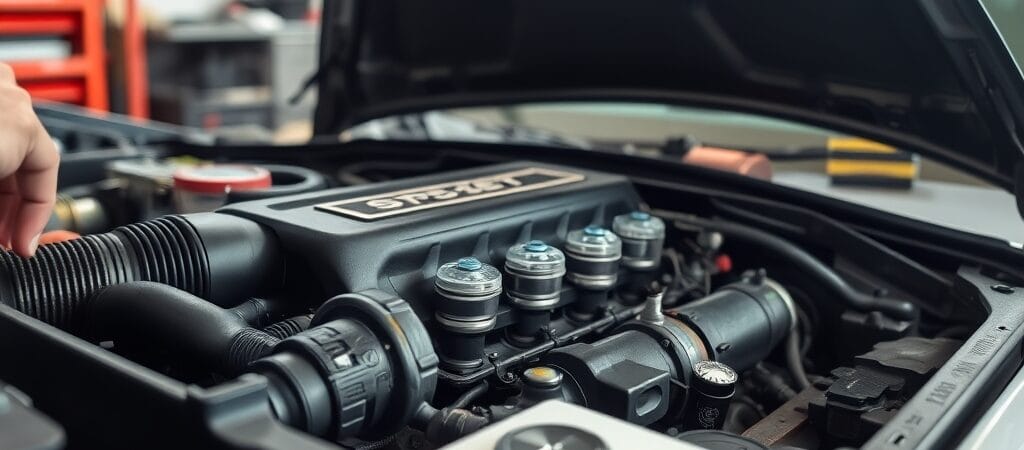
If your car starts and then dies seconds or moments later, the symptom can have several different causes. The engine may be losing fuel delivery, ignition, airflow control, critical sensor information, electrical power, or authorization from an immobilizer or security system. The exact pattern—such as whether it stalls immediately, runs roughly first, or stays running when the accelerator is applied—can help guide diagnosis. Identify the cause with systematic testing before replacing parts.
Why Your Car Starts Then Dies
An engine that starts successfully but cannot continue running has usually met the basic requirements for initial starting, but something changes or becomes insufficient immediately afterward. Depending on the vehicle, this may involve fuel pressure or injector operation, ignition, intake airflow, idle control, engine-position signals, electrical supply, or an immobilizer/security strategy. The symptom alone does not identify which system has failed
Recognizing the Symptoms of Starting and Stalling
Identifying the symptoms associated with a car that starts then dies is crucial for proper diagnosis.
Engine Shuts Off Shortly After Starting
Note how long the engine runs before it stalls. An engine that starts and stops almost immediately may point diagnosis in a different direction from one that runs for several seconds, begins running roughly, and then stalls. Also note whether the problem occurs only when cold, only when warm, intermittently, or after recent repairs or battery work.
Sputtering or Rough Idle Before Stalling
If the engine sputters, misfires, surges, or idles roughly before shutting off, record those symptoms because they can help direct testing. Fuel delivery, ignition, unmetered air, airflow measurement, throttle or idle-control problems, mechanical-engine faults, and other conditions can produce similar behavior. Rough running does not identify a fuel or airflow fault by itself.
Warning Lights and Diagnostic Information
Check whether the check engine light, security or immobilizer indicator, battery/charging warning, or other warning lights behave abnormally when the engine stalls. Stored or pending DTCs and freeze-frame data may provide useful diagnostic direction, but a code identifies a detected condition rather than automatically identifying a failed component.
Possible Causes of a Car That Starts Then Dies
Several factors can lead to a situation where your car starts then dies. Understanding these causes will aid in your diagnostic efforts.
Fuel Delivery Problems
Insufficient fuel pressure or volume, injector-control problems, restricted fuel delivery, or another fuel-system fault can allow an engine to start but prevent it from continuing to run. The exact system varies by vehicle, and some engines use returnless, direct-injection, or other fuel-system designs. Verify fuel-system operation with appropriate testing before replacing a pump, filter, or injector.
Intake Air, Vacuum, or Throttle-Control Problems
Large intake leaks, disconnected intake ducts, airflow-sensor problems, throttle-body or idle-control faults where applicable, or other unmetered-air conditions can interfere with the engine’s ability to maintain stable operation after starting. A dirty air filter alone should not automatically be assumed to cause an immediate start-and-stall condition. Inspect the intake system and evaluate relevant scan data before replacing components.
Ignition Problems
Ignition-system faults can cause severe misfiring or stalling after startup on gasoline engines. Possible faults depend on the ignition design and may involve coils, spark plugs, wiring, power supply, control circuits, or other components. Confirm whether ignition is actually being lost before replacing ignition parts.
Electrical Power and Charging Problems
Poor battery connections, grounds, power-supply circuits, relays, or other electrical faults can interrupt engine-management power after startup. A charging-system problem may also eventually cause stalling if system voltage becomes inadequate. However, a weak battery that successfully cranks and starts the engine should not automatically be blamed for a start-and-die complaint.
Engine-Management Sensor or Signal Problems
Loss of a critical engine-management signal—such as crankshaft or camshaft position information on systems that depend on it—can cause the ECM/PCM to stop controlling ignition or fuel correctly. Other sensor or control faults may also affect startup and idle operation. Use DTCs, live data, circuit testing, and vehicle-specific information to determine whether a signal is actually missing or implausible.
Immobilizer or Security-System Problems
On some vehicles, an immobilizer or anti-theft system can allow the engine to start briefly and then disable fuel or another engine-control function when the key or authorization is not accepted. Check the security indicator, relevant DTCs, key or transponder information, and manufacturer-specific diagnostic procedures before replacing engine-management components.
Diagnostic Steps to Take When Your Car Starts Then Dies
When your car struggles to stay running, a systematic diagnostic approach can effectively identify the root cause.
Verify the Complaint
Reproduce the symptom when it is safe to do so and record exactly what happens. Determine whether the engine dies immediately or after several seconds, whether it runs roughly before stalling, whether accelerator input changes the behavior, whether the problem is temperature-dependent, and whether security or other warning indicators appear. These details help determine which systems should be tested first.
Inspect for Simple and Visible Causes
Verify that the vehicle has adequate fuel and inspect accessible battery connections, grounds, intake ducts, vacuum hoses, wiring, and connectors for obvious disconnection or damage. Check for signs of recent repair work that may have left a connector, hose, ground, or intake component disconnected. Do not replace parts based only on visual inspection.
Scan for Trouble Codes and Data
Scan the relevant modules for stored and pending DTCs and review freeze-frame and useful live data. Depending on the vehicle and symptom, examine information related to engine speed, fuel control, airflow, throttle position, immobilizer authorization, system voltage, and other relevant parameters. Codes and data should guide targeted testing rather than automatic parts replacement.
For guidance on interpreting DTCs and scan information, see our How to Read OBD2 Codes: A Step-by-Step Diagnostic Guide.
Test the System Indicated by the Evidence
Use the symptoms, codes, scan data, and initial inspection to decide what to test next. Depending on the evidence, diagnosis may involve fuel pressure or delivery, injector operation, ignition output, intake leaks, throttle or idle control, engine-position signals, electrical power and grounds, charging-system performance, immobilizer authorization, or mechanical engine condition. Use vehicle-specific procedures and specifications rather than testing every component indiscriminately.
Repair Options After Diagnosis
Repair only the fault confirmed by testing. Depending on the diagnosis, this may involve repairing an intake or vacuum leak, correcting a wiring or connection problem, servicing a confirmed fuel-delivery fault, repairing an ignition-system problem, addressing a throttle or idle-control issue, repairing a sensor or signal circuit, correcting an immobilizer or key-authorization problem, or addressing another confirmed engine-management fault.
Do not replace the fuel pump, injectors, MAF sensor, ignition coils, battery, alternator, or other components solely because the engine starts and then dies.
After repair, reproduce the original operating conditions when practical. Confirm that the engine starts, continues running normally, previous symptoms are resolved, and relevant DTCs do not return.
Safety Considerations When Diagnosing a Start-and-Stall Condition
Park the vehicle securely, apply the parking brake, and use Park or Neutral as appropriate before performing tests. Keep hands, clothing, tools, and test leads away from belts, pulleys, cooling fans, and other moving components when the engine is running. Fuel-system testing can involve pressurized and flammable fuel, so follow vehicle-specific pressure-relief and test procedures and keep ignition sources away.
Do not bypass immobilizer, starter-interlock, transmission-range, or other safety/security systems simply to keep the engine running. If diagnosis requires working around high-voltage hybrid or electric-vehicle components, follow the manufacturer’s procedures and appropriate qualification requirements.
Vehicle-Specific Considerations
Start-and-stall strategies differ considerably among vehicles. Fuel-system design, throttle and idle control, immobilizer operation, sensor logic, charging control, and diagnostic specifications may all vary. Use manufacturer-specific service information, wiring diagrams, DTC procedures, and test specifications when performing targeted diagnosis.
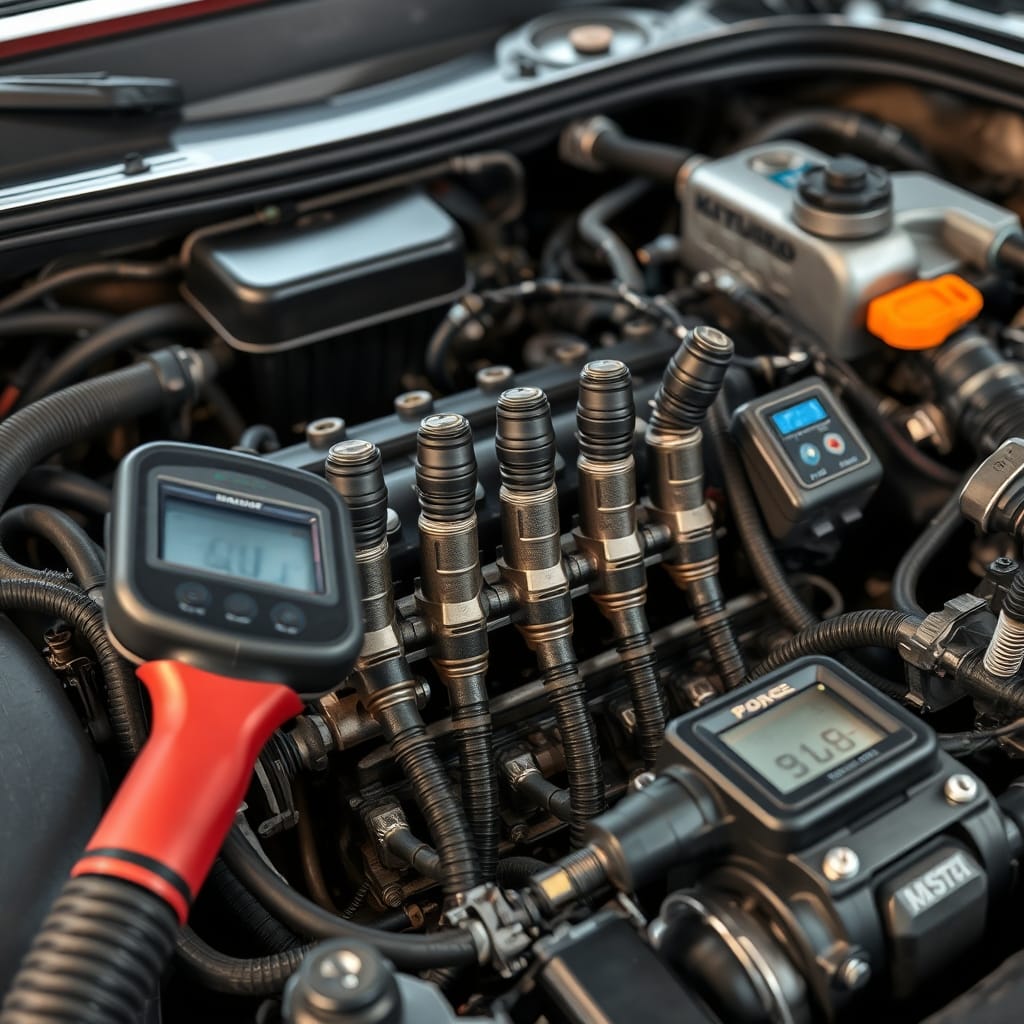
Frequently Asked Questions
What causes a car to start then die?
Possible causes include fuel-delivery faults, major intake or vacuum leaks, ignition problems, throttle or idle-control faults, electrical power or ground problems, critical sensor or signal failures, immobilizer/security-system problems, and other engine-management or mechanical faults. The symptom alone does not identify the cause.
Can a car start and die due to low fuel?
An extremely low fuel level or a fuel-delivery problem can contribute to a start-and-stall condition, but the fuel gauge reading alone does not diagnose the problem. Verify the fuel level and test fuel-system operation if the evidence points in that direction.
What should I do if my car starts then dies?
Note exactly how long the engine runs and whether it sputters, responds to accelerator input, or displays security or other warning indicators. Inspect simple visible causes, scan relevant modules for codes and data, and then test the system indicated by the evidence before replacing parts.
Does the check engine light indicate a problem when the car starts and dies?
No. The check engine light indicates that the engine-management system has detected one or more conditions that may have stored DTCs. Those codes can help guide diagnosis, but they do not automatically identify the failed component or prove why the engine stalls.
When should I seek professional help for this issue?
Professional diagnosis is appropriate when the cause is not clear from basic inspection and scan information, when specialized fuel-pressure, electrical, immobilizer, or mechanical testing is required, or when performing the necessary tests would create a safety risk.
Final Checks
A car that starts and then dies can have faults involving fuel delivery, intake airflow, ignition, electrical supply, engine-management signals, throttle or idle control, immobilizer authorization, or other systems. Record exactly how the engine stalls, inspect simple causes, review relevant codes and live data, and perform targeted vehicle-specific testing before replacing components. After repairing the confirmed fault, verify that the engine starts and continues running normally and that related codes or symptoms do not return.