
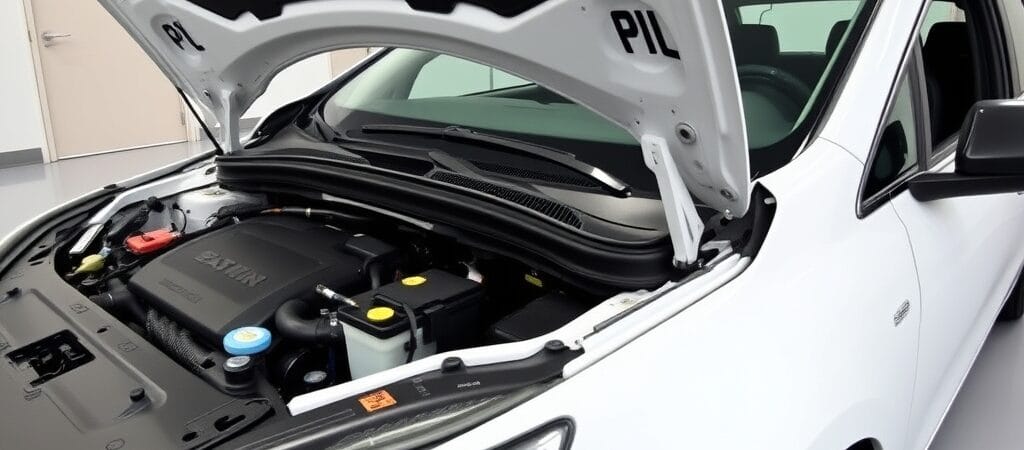
Experiencing a car that won’t start can be frustrating and confusing. This article will guide you through the various symptoms and potential issues causing this problem. By understanding the different scenarios like a no-crank, crank-no-start, or a situation where the car starts and then stalls, you can begin to identify the underlying issues. Many factors can produce similar symptoms, so thorough diagnostics are essential. Let’s explore how to diagnose a car that won’t start effectively.
Symptoms of a No-Start Condition
A car that won’t start can show various symptoms, and recognizing these can help pinpoint the underlying issue.
No-Crank, No-Start Situation
In a no-crank condition, turning the key or pressing the start button does not cause the starter to rotate the engine. You may hear silence, a single click, repeated clicking, or other starting-system sounds. Possible causes include insufficient battery power, poor battery or ground connections, starting-circuit faults, starter-control or authorization problems, or a starter fault. The sound alone does not identify the failed component, so test the battery and starting circuit before replacing parts.
Crank-No-Start Situation
If the engine cranks normally but does not start, the starting system is at least able to rotate the engine, but combustion is not being established. Possible causes include problems with fuel delivery, ignition, air metering, engine-speed or position signals, immobilizer operation, or mechanical timing/compression. The next diagnostic steps should be based on what the engine is missing rather than assuming a failed component.
Starts and Stalls
When the engine starts but stalls shortly afterward, the cause may involve fuel delivery, air metering, idle control, ignition, sensor inputs, immobilizer operation, or another condition that prevents the engine from continuing to run. Note whether it stalls immediately or after several seconds, whether pressing the accelerator changes the behavior, and whether warning or security lights remain illuminated. These observations can help narrow the diagnosis before testing individual components.
Assessing Severity and Safety Risks
Safety is essential when diagnosing a no-start condition. Understanding the severity of the situation allows for appropriate actions.
Immediate Safety Considerations
Before starting diagnostics, make sure the vehicle is in a safe location, apply the parking brake, and place the transmission in Park or Neutral as appropriate. Keep hands, clothing, tools, and test leads away from belts, pulleys, cooling fans, and other moving components when testing with the engine running or cranking; electric cooling fans may start unexpectedly. Avoid shorting battery terminals or bypassing starting-system safety controls. If the vehicle must be raised for any diagnostic procedure, use approved lifting points and properly rated support equipment—never work beneath a vehicle supported only by a jack.
Structured Diagnostic Approach
Using a systematic diagnostic method can help avoid unnecessary repairs. This involves methodically ruling out potential causes before reaching a conclusion. Working through the problem in an organized manner ensures you address the actual issue.
Common Causes of a No-Start Issue
Several common factors can lead to a car that won’t start. Familiarizing yourself with these can streamline your diagnosis.
Electrical Issues
Electrical problems are especially important in a no-crank condition. A discharged or failing battery, loose or corroded battery connections, damaged cables, blown fuses, starter-circuit faults, or a failed starter can prevent the engine from cranking. However, if the engine cranks at normal speed, the diagnostic focus should shift toward the systems required for the engine to start and run rather than assuming the battery or starter is the cause.
Fuel-Delivery Problems
In a crank-no-start condition, inadequate fuel delivery or injector operation may prevent combustion. Possible causes vary by vehicle and can involve fuel supply, pressure, electrical control, injector operation, or other engine-management conditions. Do not assume that a fuel pump has failed simply because the engine cranks without starting. Test the relevant system using vehicle-specific procedures and specifications.
Ignition, Engine-Management, and Mechanical Problems
In a crank-no-start condition, ignition faults can prevent the engine from establishing combustion. Engine-speed or position signals, injector control, immobilizer operation, mechanical timing, and compression can also be relevant. Determine what is missing through testing rather than assuming that spark plugs, ignition coils, sensors, or another component must be replaced.
A mechanically locked engine is different from a normal crank-no-start condition because the engine may not rotate normally at all. Unusual cranking speed or sound can also provide clues to mechanical problems, but vehicle-specific testing is required to confirm the cause.
Step-by-Step Diagnostic Process
Following a clear diagnostic sequence helps narrow the problem without replacing parts unnecessarily.
Identify the Symptom Type
First determine whether the vehicle has a no-crank, crank-no-start, or starts-and-stalls condition. Note the cranking speed, clicking or other sounds, dashboard and security lights, and whether the symptom changes between attempts. This first distinction determines which systems should be tested next.
If the Engine Does Not Crank
Start with the battery and starting circuit. Check battery state of charge and condition, terminal connections, cables, relevant fuses and relays, and the starter circuit as appropriate. Do not replace the starter simply because the engine does not crank; verify that the starter is receiving the correct power and control signals according to vehicle-specific service information.
Dashboard lights or accessories working does not prove that the battery and starting circuit can supply the current required to crank the engine. If your vehicle has electrical power but the engine will not start, see our guide to Car Won’t Start but Lights Work for the specific diagnostic path.
If the Engine Cranks but Does Not Start
Use a scan tool when available to check for relevant DTCs, engine-speed data during cranking, security or immobilizer information where supported, and other useful parameters. Then determine which requirement for combustion is missing: appropriate fuel delivery and injector operation, ignition, correct air and engine-management inputs, or adequate mechanical timing and compression.
Use the evidence to decide which system to test next rather than testing or replacing components randomly. Diagnostic methods and specifications vary by vehicle, so consult manufacturer service information where appropriate.
If the Engine Starts and Then Stalls
Observe how long the engine runs and whether accelerator input changes the symptom. Check for relevant trouble codes and warning or security indicators, then investigate fuel delivery, air metering, idle control, ignition, sensor inputs, immobilizer operation, or other systems according to the evidence.
Confirm the Fault Before Repair
Use the results of these checks to identify the actual cause before replacing components. After the repair, verify that the engine starts and continues to run normally and confirm that related faults do not return.
Repair Options for Common Issues
Repairs should be based on the fault confirmed during diagnosis rather than on the no-start symptom alone.
Electrical and Starting-System Repairs
If testing confirms a battery, connection, cable, starter-circuit, or starter fault, repair or replace the affected component as appropriate. A no-crank condition should not automatically lead to starter replacement without verifying the starting circuit first.
Fuel, Ignition, and Engine-Management Repairs
For a crank-no-start condition, repair only the system that testing identifies as faulty. Depending on the diagnosis, this may involve correcting a fuel-delivery problem, repairing an ignition or electrical fault, addressing an air-metering or sensor problem, or correcting a mechanical timing or compression issue. Do not replace a fuel pump, ignition coil, sensor, or other component solely because the engine will not start.
When testing points toward an ignition problem, symptoms and scan data can help determine whether individual ignition components require further testing. See Bad Ignition Coil Symptoms: What to Look For for more detail on evaluating possible ignition-coil problems.
When to Seek Professional Help
Seek professional diagnosis when the cause remains unclear, specialized testing is required, or the repair involves systems you are not equipped to service safely. Vehicle-specific starting, immobilizer, electrical, and engine-management systems may require manufacturer procedures or specialized diagnostic equipment.
After any repair, verify that the engine starts reliably, continues running normally, and that related trouble codes or symptoms do not return.
Common Diagnostic Mistakes to Avoid
During the diagnostic process, it’s easy to make mistakes that can lead to unnecessary repairs.
Misinterpreting Symptoms
A common mistake is misinterpreting symptoms. Ensure you have a clear understanding of the no-start condition before proceeding. Pay attention to whether the engine cranks, any sounds, or if it fails to start altogether.
Overreliance on Diagnostic Codes
Diagnostic trouble codes identify conditions detected by the vehicle’s control systems; they do not necessarily identify the failed component. Review codes together with freeze-frame and live data where available, then use inspection and targeted testing to confirm the cause. Avoid replacing a sensor, ignition component, fuel-system part, or other component solely because its name appears in a code description.
Preventive Measures for Future No-Starts
Preventive maintenance can significantly reduce the chances of encountering a no-start situation.
Battery Maintenance Tips
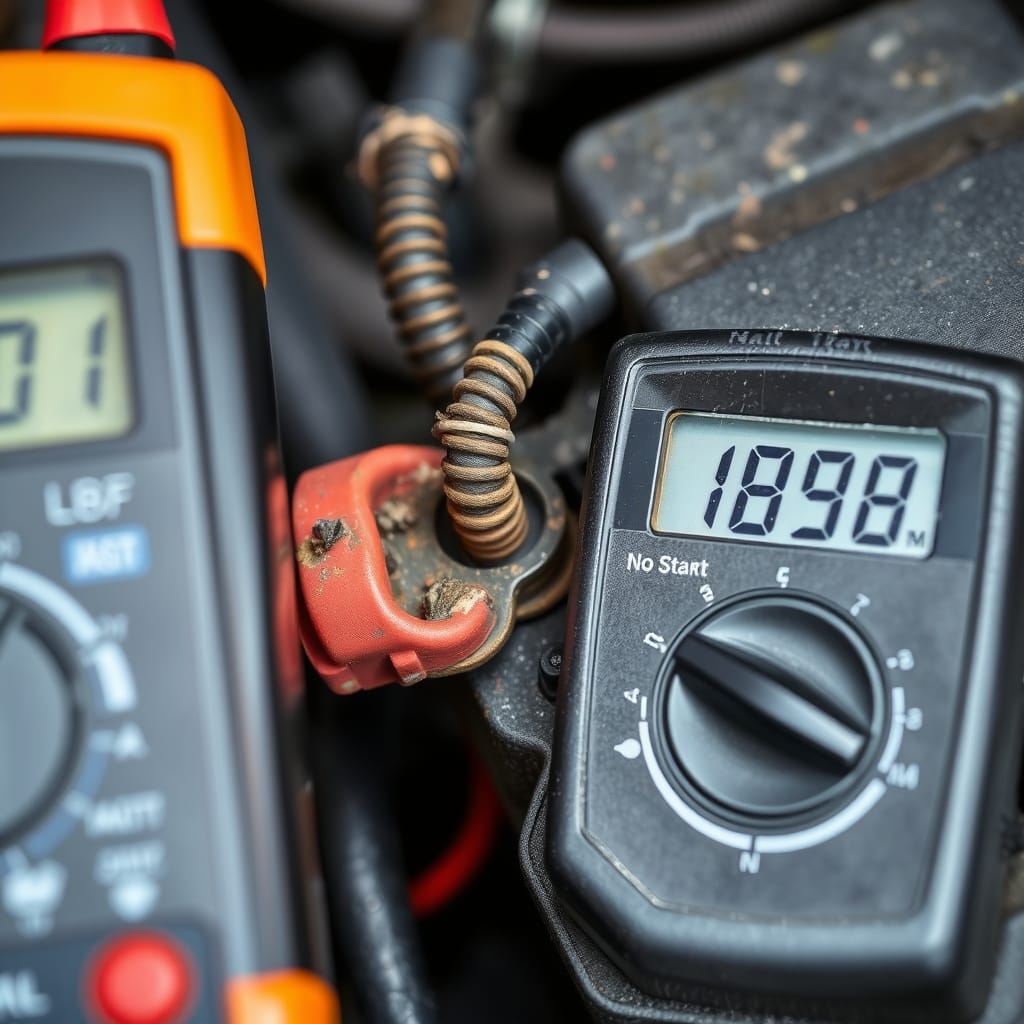
Regularly inspect your battery for corrosion and maintain clean terminals to ensure good contact and voltage. Testing battery health during routine maintenance can be beneficial.
Follow Vehicle Maintenance Requirements
Follow the manufacturer’s maintenance schedule for items that can affect starting and engine operation. Pay attention to slow cranking, intermittent starting problems, warning lights, unusual electrical behavior, or changes in how the engine starts. Investigating these symptoms early can help identify developing problems before they result in a complete no-start condition. For a broader overview of service intervals and why vehicle-specific requirements matter, see our car maintenance schedule by mileage guide.
Frequently Asked Questions
Why does my car not start at all?
The cause depends on whether the engine does not crank, cranks but does not start, or starts and then stalls. Possible causes range from battery and starting-circuit problems to fuel, ignition, engine-management, immobilizer, or mechanical faults.
What does it mean if my car cranks but won’t start?
It means the starting system can rotate the engine, but the engine is not successfully starting. Diagnosis should determine whether the problem involves fuel delivery, ignition, injector operation, air or sensor inputs, immobilizer operation, or mechanical timing and compression.
Can a faulty ignition switch prevent starting?
Yes. Depending on the vehicle and the type of failure, an ignition-switch or related control-circuit problem can contribute to a no-crank or no-start condition. Testing should confirm the fault before the switch is replaced.
How do I know if my battery is weak?
Slow cranking, clicking, or electrical symptoms can occur with a weak battery, but these symptoms can also result from poor connections or other starting-circuit problems. Battery condition and state of charge should be tested rather than diagnosed from symptoms alone.
Should I call a mechanic if my car won’t start?
Professional diagnosis is appropriate if basic checks do not identify the cause, the problem is intermittent, specialized testing is required, or you cannot perform the necessary checks safely.
Final Checks
A car that won’t start should first be classified as a no-crank, crank-no-start, or starts-and-stalls condition. That distinction determines which systems should be tested next. For a no-crank condition, focus on battery condition, connections, starting-circuit operation, and authorization or control issues where applicable. If the engine cranks normally, shift the diagnosis toward fuel delivery and injector operation, ignition, engine-management inputs, immobilizer operation, and mechanical timing or compression as supported by the evidence.
Do not replace components simply because they are commonly associated with a no-start symptom or appear in a DTC description. Confirm the fault through inspection and targeted testing, repair the verified cause, and then make sure the engine starts reliably, continues running normally, and related symptoms or codes do not return.