
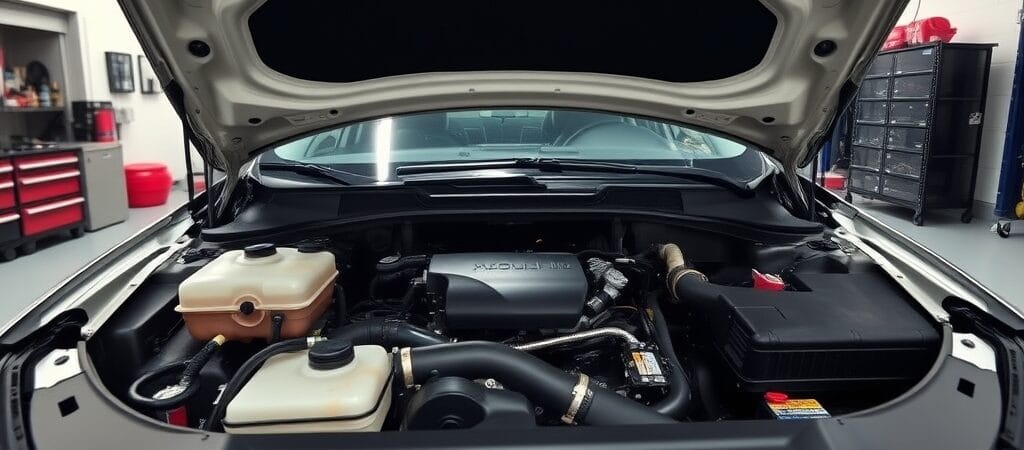
P0125 is an OBD-II diagnostic trouble code indicating that the powertrain control system did not detect sufficient coolant temperature for closed-loop fuel control within the expected conditions. The code does not by itself prove that the thermostat, engine coolant temperature (ECT) sensor, or another component has failed. Diagnosis should verify coolant level, actual engine warm-up behavior, ECT data, wiring, and vehicle-specific operating conditions before parts are replaced.
What Does the P0125 Code Mean?
P0125 is generally defined as “Insufficient Coolant Temperature for Closed Loop Fuel Control.” The PCM/ECM sets the code when its monitored conditions indicate that coolant temperature has not reached the level required for closed-loop fuel control within the expected operating conditions.
This does not necessarily mean the engine is physically overheating or that one particular cooling-system component has failed. Depending on the vehicle, possible explanations include an engine that warms too slowly, inaccurate coolant-temperature information, low coolant affecting temperature measurement, electrical problems in the ECT circuit, or other vehicle-specific conditions.
Common Symptoms of P0125 Code
Symptoms vary by vehicle and by the underlying cause. In some cases, the check engine light may be the only noticeable indication. When the engine actually remains cooler than expected or temperature information is inaccurate, additional drivability or fuel-control symptoms may occur.
Illuminated Check Engine Light
An illuminated check engine light can be one of the first indications noticed by drivers when the ECM detects a problem such as the P0125 code. However, keep in mind that the check engine light may also be set by various other issues, so further investigation and code scanning is necessary to confirm if P0125 is present.
Poor Fuel Economy
Fuel economy may decrease if the engine remains below its intended operating temperature or the control module receives inaccurate temperature information that affects fuel strategy. However, poor fuel economy has many possible causes and should not be attributed to P0125 without further diagnosis.
Extended Warm-Up Time
Another symptom that may be observed alongside a P0125 code is an extended warm-up period. If your engine takes longer than usual to reach its appropriate operating temperature, this could be related to cooling system or temperature sensor issues. However, extended warm-up time can also have other sources and is not alone enough to confirm a P0125 code.
Possible Drivability Changes
Depending on the underlying fault and vehicle strategy, some vehicles may exhibit changes in idle quality or drivability, particularly during warm-up. These symptoms are not required for P0125 to set and should be evaluated together with scan data and any additional trouble codes.
Possible Increase in Emissions
If the engine remains cooler than intended or closed-loop fuel control is delayed, emissions may be affected. However, an emissions-test failure or increased emissions does not identify the cause of P0125 by itself.
Possible Causes of P0125 Code
Low Coolant Level
Low coolant can affect temperature-sensor readings or indicate a cooling-system leak that requires diagnosis. Depending on sensor location and cooling-system design, insufficient coolant around the ECT sensor may produce inaccurate or unstable temperature information. Always investigate the reason for coolant loss rather than simply topping up the system.
Engine Coolant Temperature Sensor or Circuit Problems
The ECT sensor provides temperature information used by the PCM/ECM for several control strategies. An inaccurate sensor signal, poor electrical connection, damaged wiring, reference or ground problem, or other circuit fault may cause the control module to receive incorrect temperature information. Test the sensor and circuit before replacing the sensor.
Thermostat That Opens Too Early or Remains Open
A thermostat that remains open or begins allowing excessive coolant circulation earlier than intended can cause the engine to warm more slowly than expected. This can contribute to insufficient coolant temperature under some operating conditions. A related thermostat-performance code such as P0128 may also provide useful diagnostic context, but codes and symptoms should be interpreted according to the specific vehicle.
Operating Conditions and Very Low Ambient Temperature
Very low ambient temperatures, extended idling, short trips, or other operating conditions can affect engine warm-up. Whether these conditions contribute to P0125 depends on the vehicle’s monitoring strategy. Do not assume cold weather alone is responsible without confirming that the cooling system and temperature signals operate correctly.
Diagnosing the P0125 Code
Verify the Code and Operating Conditions
Confirm that P0125 is stored and record any accompanying codes, freeze-frame information, and relevant operating conditions. Ask whether the vehicle has experienced coolant loss, unusually long warm-up, recent cooling-system service, or other temperature-related symptoms. Additional codes may substantially change the diagnostic direction.
Inspect Coolant Level and the Cooling System
With the engine cold, verify coolant level according to the manufacturer’s procedure. Inspect for visible coolant leaks, damaged wiring or connectors around the ECT sensor, and obvious cooling-system problems. If coolant is low, identify the cause of the loss rather than assuming the level alone explains P0125.
Review Codes, Freeze-Frame Data and Live Data
Use an OBD-II scan tool to retrieve P0125 and any accompanying trouble codes. Review freeze-frame information and monitor ECT data during engine warm-up. When appropriate, compare the reported temperature with ambient conditions before a cold start and observe whether the reading changes plausibly as the engine warms.
If you need help interpreting scan information, see our How to Read OBD2 Codes guide.
A trouble code or unusual temperature value is diagnostic evidence, not proof that the ECT sensor itself has failed.
Perform Targeted Testing
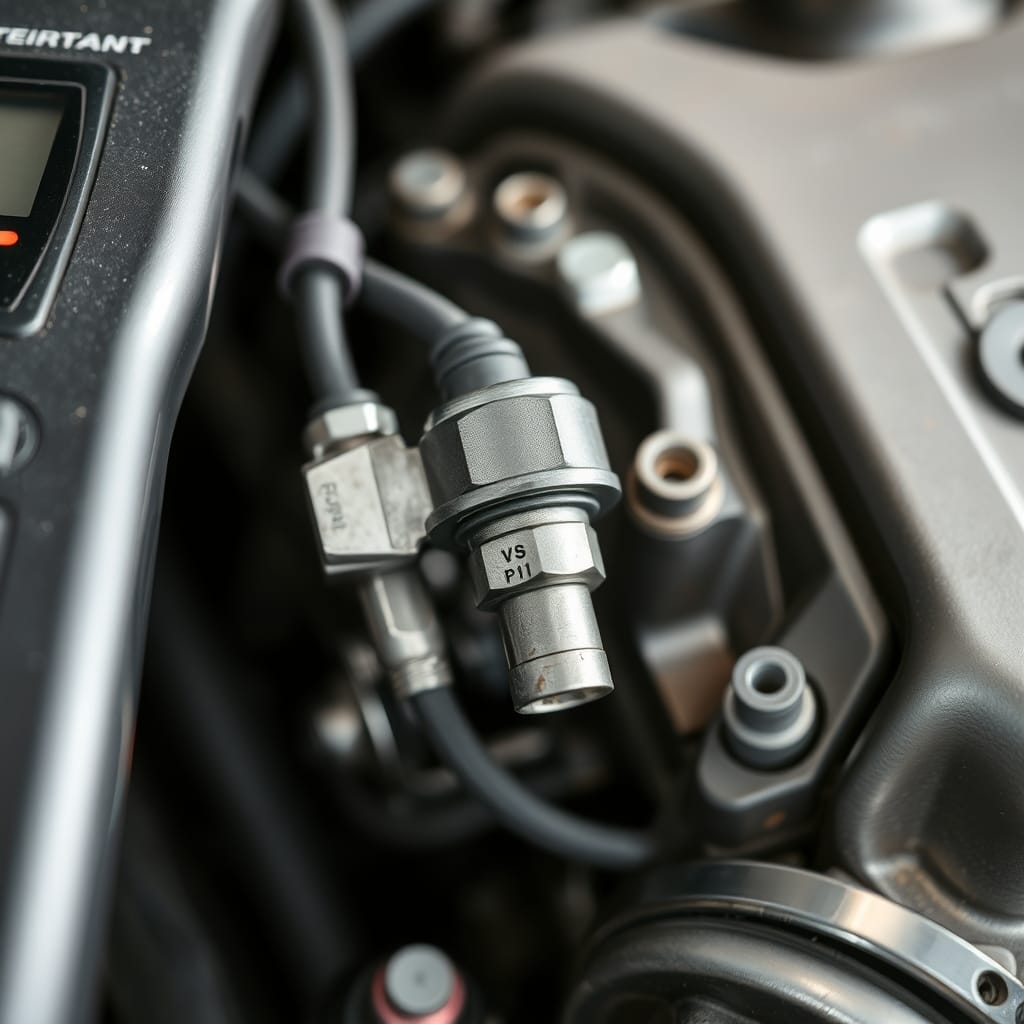
If initial checks do not identify the cause, test the ECT sensor and circuit according to vehicle-specific service information. Depending on the system, diagnosis may involve checking signal behavior, wiring integrity, connector condition, reference voltage or ground circuits, and comparing scan-tool temperature data with an appropriate independent temperature measurement.
Evaluate thermostat operation and engine warm-up behavior when the evidence points toward a temperature-regulation problem. An infrared thermometer can provide supporting surface-temperature information at accessible components, but surface temperature should not automatically be treated as identical to actual coolant temperature.
Use manufacturer specifications rather than universal resistance, voltage, temperature, or warm-up thresholds.
Repair Options After Diagnosis
Repair only the fault supported by testing. P0125 does not justify replacing the thermostat, ECT sensor, wiring, or other cooling-system components solely because the code is stored.
Replacing the ECT Sensor
If testing confirms the ECT sensor is faulty, replacing it may resolve the P0125 code. Ensure the replacement sensor is correct for your vehicle and installed according to manufacturer guidelines.
Fixing Wiring Issues
If diagnostic checks find wiring or connection issues affecting the ECT sensor, repairing or replacing the damaged wiring can restore proper communication with the ECM and may resolve the issue.
Replacing the Thermostat
If diagnosis determines the thermostat is stuck open or not functioning correctly, replacing it is necessary to help the engine reach proper operating temperature. Always follow manufacturer guidelines and procedures for replacement.
Verifying the Repair for P0125
After repairing the confirmed fault, restore coolant level and bleed the cooling system according to the vehicle-specific procedure if the system was opened.
Clear the DTC when appropriate using a scan tool. If needed, see our How to Reset the Check Engine Light guide. Then reproduce the operating conditions relevant to the original fault.. Monitor coolant-temperature data during warm-up and confirm that the vehicle reaches the expected operating condition and closed-loop strategy according to manufacturer information.
Finally, verify that P0125 does not reset and that any original symptoms or coolant-loss concerns have been resolved.
Safety Considerations When Addressing P0125
Never remove a radiator or expansion-tank pressure cap while the cooling system is hot or pressurized. Hot coolant can be released suddenly and cause severe burns. Allow the system to cool before checking coolant level, disconnecting cooling-system components, or performing applicable tests.
Keep hands, clothing, and tools away from belts, fans, and other moving components when performing tests with the engine running. Electric cooling fans may operate unexpectedly on some vehicles. If the vehicle must be raised, support it correctly rather than relying solely on a jack.
Follow vehicle-specific electrical procedures rather than automatically disconnecting the battery for every diagnostic test.
Vehicle-Specific Considerations
P0125 monitoring criteria, expected coolant-temperature behavior, sensor design, thermostat strategy, cooling-system layout, and diagnostic procedures vary among vehicles. Use manufacturer-specific service information for expected values, circuit testing, coolant specifications, filling and bleeding procedures, and code-setting criteria.
Frequently Asked Questions
What does the P0125 code mean?
P0125 means the powertrain control system detected insufficient coolant temperature for closed-loop fuel control under the monitored conditions. It does not identify a failed component by itself.
What are the symptoms of the P0125 code?
The check engine light may be the only noticeable symptom. Depending on the underlying cause, the vehicle may also warm up slowly or experience changes in fuel economy, emissions, or drivability.
What can cause the P0125 code?
Possible causes include low coolant, inaccurate ECT sensor information, ECT circuit problems, a thermostat that allows the engine to remain too cool, and vehicle-specific operating or cooling-system conditions. Diagnosis is required to identify the actual cause.
How is the P0125 code diagnosed?
Confirm P0125 and accompanying codes, review freeze-frame and live temperature data, check coolant level and visible cooling-system problems, inspect the ECT circuit, and perform targeted sensor or thermostat testing when supported by the evidence.
What are the repair options for the P0125 code?
The correct repair depends on the confirmed cause. It may involve repairing an ECT sensor circuit, replacing a confirmed faulty sensor, correcting a cooling-system problem, or replacing a thermostat that testing shows is not operating correctly.
How do I verify the repair for the P0125 code?
After the repair, restore and bleed the cooling system if required, clear the code when appropriate, monitor coolant-temperature data during warm-up, reproduce the relevant operating conditions, and confirm that P0125 does not return.
Final Checks
P0125 reports insufficient coolant temperature for closed-loop fuel control under the vehicle’s monitored conditions; it does not prove that the thermostat or coolant-temperature sensor has failed. Start with coolant level, related codes, freeze-frame information and live temperature data, then perform targeted cooling-system and electrical testing as needed. Repair only the confirmed cause and verify normal warm-up behavior and code status afterward.