
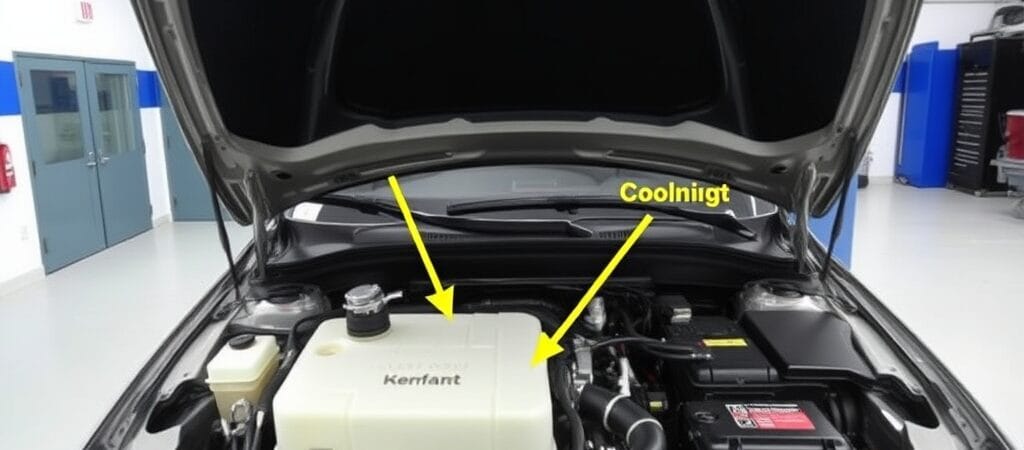
If you’re facing the P0128 code, it indicates that your engine’s coolant temperature is below the expected range for too long. This article will help you understand the implications of this code, including common symptoms like poor fuel economy and heater performance issues. Note that the code signals a potential problem rather than confirming a failed component, so proper diagnosis is essential.
Overview of the P0128 Code
Definition and Implications of P0128
The P0128 code signals that the engine control module (ECM) has detected that the engine coolant temperature is below the expected range for a specified duration. This usually indicates that the engine is not reaching its optimal operating temperature in the expected timeframe. While immediate driving issues may not be noticeable, this can lead to decreased fuel efficiency and increased emissions over time.
How the Code is Triggered
The P0128 code is typically triggered when the ECM finds that the engine coolant temperature sensor (ECT) reading is outside the normal range. This can happen during cold starts or even while the engine is running. The ECM continuously monitors coolant temperature; if it fails to exceed a certain threshold within a set period, the P0128 code is activated.
Symptoms of the P0128 Code
Common Symptoms to Observe
Drivers may experience various symptoms related to the P0128 code, including:
- Check Engine Light: The primary indicator of the P0128 code is the illumination of the check engine light on the dashboard.
- Poor Fuel Economy: A vehicle with this code may show decreased fuel efficiency as the engine struggles to reach the optimal temperature.
- Heater Performance Issues: Drivers may notice that cabin heat is insufficient or takes longer than usual to warm up.
Impact on Vehicle Performance
The P0128 code can indirectly affect vehicle performance. Since the engine is not reaching its ideal temperature, combustion efficiency diminishes, potentially increasing tailpipe emissions. This condition can inhibit the vehicle’s ability to pass emissions tests and lead to engine wear over time.
Possible Causes of the P0128 Code
Thermostat Malfunctions
A common cause of the P0128 code is a malfunctioning thermostat. If the thermostat fails to open at the correct temperature, coolant will not circulate efficiently, preventing the engine from warming up in a timely manner. Inspecting the thermostat’s operation is vital during diagnosis.
Coolant Level and Quality Issues
Low or contaminated coolant levels can also trigger the P0128 code. Inadequate coolant may hinder heat transfer, delaying engine warming. Regularly checking coolant levels and condition is essential for maintaining an effective cooling system.
Sensor Failures
Faulty temperature sensors, particularly the ECT, can produce inaccurate readings, leading the ECM to register the engine as cooler than it is. Testing the sensor’s functionality will reveal whether it’s providing accurate data. If found defective, replacement may be necessary.
Cooling System Components
Other cooling system components, such as the radiator or water pump, can also contribute to the P0128 code if they malfunction. Inadequate coolant flow from these components can prevent the engine from reaching the desired temperature.
Diagnostic Process for P0128
Verifying the User Report
Begin by verifying the user’s report. Ask if they have noticed signs such as poor fuel economy or heater performance issues. Confirming the specific details helps guide the investigation.
Visual Inspection for Simple Issues
Conduct a visual inspection for simple issues. Look for coolant leaks under the vehicle or damage to hoses and connections. Ensure that the thermostat functions properly and check coolant levels. These preliminary checks can help streamline the diagnostic process.
Scanning for Codes and Data Analysis
Utilize a scanner to check for any additional trouble codes. Monitor the ECT readings in real-time, as they should increase steadily as the engine warms up. Analyze the data to confirm if the readings consistently fall outside expected parameters, supporting the P0128 code.
Testing Relevant Components
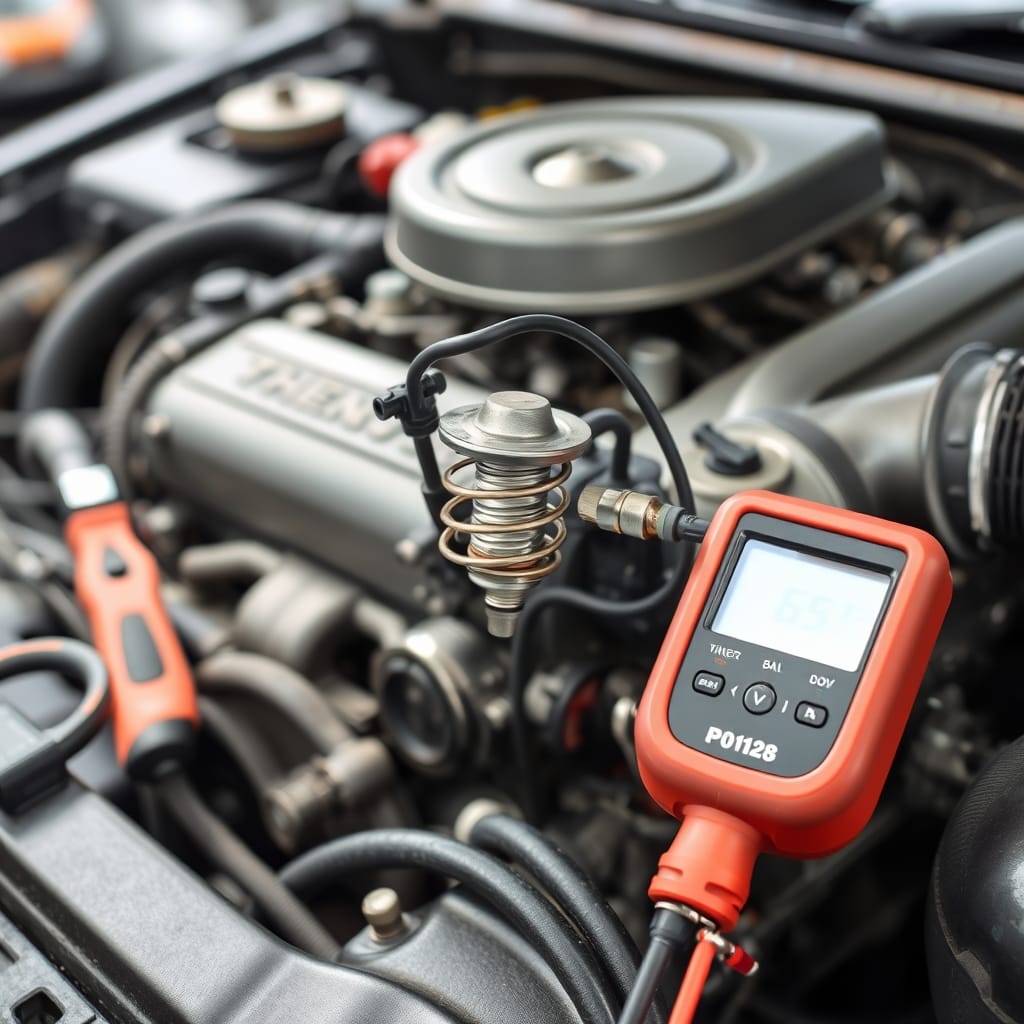
Test components based on your initial findings. If the thermostat is suspected, measure its opening temperature to verify proper operation. For ECT sensors, use a multimeter to check for suitable resistance readings as the temperature changes, helping to rule out a faulty sensor.
Repair Options for the P0128 Code
Resolving Thermostat Issues
If a faulty thermostat is confirmed, replacement is usually necessary. Ensure the new part is compatible with the vehicle. After installing the new thermostat, monitor engine temperature to confirm it is operating correctly.
Replacing Defective Sensors
If the ECT sensor is found to be defective during testing, replace it with a new, OEM-compatible sensor. Always clear the codes after installation and verify that the vehicle operates within normal parameters.
Maintaining Coolant Integrity
If coolant levels are low, add the appropriate type of coolant and check for leaks. Regular flushing of the cooling system is recommended to maintain optimal performance and prevent contamination issues.
Safety Precautions During Diagnosis and Repair
Handling Coolant Safely
When working with the cooling system, always handle coolant safely. Wear safety goggles and gloves since coolant can be toxic and irritating to the skin. Dispose of any used coolant according to local regulations.
Risks Related to Engine Temperature
Exercise caution around the engine area, as components can become extremely hot. Allow the engine to cool down before performing repairs or inspections to avoid burns or injuries.
Vehicle-Specific Considerations for P0128
Importance of Consulting Service Manuals
Always refer to the vehicle’s service manual for detailed diagnostic procedures and specifications related to the P0128 code. This reference aids in accurately identifying issues and applying the correct repair strategy.
Variations in Sensor Designs Across Manufacturers
Be aware that the design and function of coolant temperature sensors may vary by manufacturer. Ensure that any replacement parts are suitable for the specific vehicle configuration to prevent complications during repairs.
Frequently Asked Questions
What does the P0128 code mean?
The P0128 code means that the engine control module has detected that the engine coolant temperature is below the expected range, indicating it isn’t warming up properly.
What are the common symptoms of the P0128 code?
Common symptoms include the check engine light illuminating, poor fuel economy, and issues with cabin heater performance.
Can I still drive my vehicle with the P0128 code?
While the vehicle may still be operable, it can result in decreased fuel efficiency and higher emissions. It’s advisable to diagnose the issue promptly.
How is the P0128 code diagnosed?
The diagnosis involves verifying symptoms, performing visual inspections, scanning for additional trouble codes, and testing relevant components like the thermostat and temperature sensors.
Can simple issues trigger the P0128 code?
Yes, factors like low coolant levels or a malfunctioning thermostat can trigger the P0128 code. It’s crucial to check these before moving to more complex diagnostics.
Does the P0128 code mean a particular component must be replaced?
Not automatically. The code indicates a problem that needs further diagnosis to determine if components like the thermostat or sensors need replacement.
Final Checks
The P0128 code signals that your engine isn’t reaching its optimal temperature, which can lead to fuel inefficiency and increased emissions. Accurate diagnosis is crucial before replacing any parts, as the code itself does not confirm a specific component failure. If you’re uncertain about the repair steps or diagnostics, consulting a professional mechanic is recommended to ensure a thorough examination of the issue.