
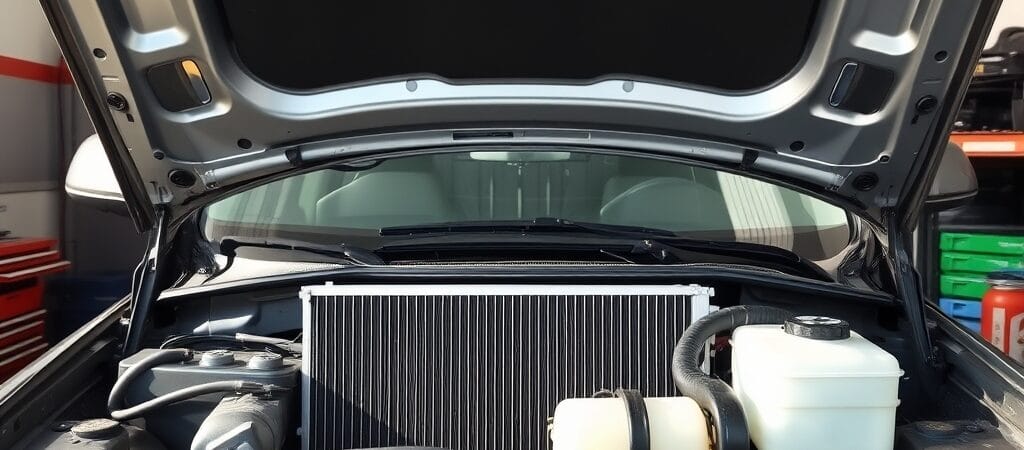
If your car overheats after a coolant flush, first determine whether the overheating is genuinely related to the recent service or whether another cooling-system problem happened to appear at the same time. Incorrect coolant level, trapped air, an incomplete bleeding procedure, a leak, or another cooling-system fault can cause or contribute to overheating. Because continued overheating can damage the engine, diagnose the cause before driving the vehicle further.
Why Your Car Overheats After a Coolant Flush
Overheating soon after a coolant flush can point toward a problem with coolant level, filling, bleeding, or something disturbed during service, but the timing alone does not prove that the flush caused the problem.
Some cooling systems require specific filling or air-bleeding procedures, and trapped air can interfere with coolant circulation or temperature-sensor readings. Other possibilities include a leak, thermostat problem, cooling-fan fault, restricted radiator, water-pump problem, or an unrelated cooling-system condition that became noticeable after service.
Start by checking what changed during the recent service before assuming that a major component has failed.
Common Symptoms of Overheating Post-Coolant Flush
Increased Engine Temperature
A temperature gauge moving above its normal operating range or a high-temperature warning can indicate that the engine is not controlling temperature normally. If this occurs soon after a coolant flush, stop safely and investigate rather than continuing to drive. The temperature indication alone cannot determine whether the cause is trapped air, low coolant, restricted circulation, a fan problem, a sensor issue, or another cooling-system fault.
Temperature Warnings or Related Fault Indicators
A high-temperature warning or abnormal temperature-gauge reading requires immediate attention. A check-engine light may also appear if the engine-control system detects certain temperature, sensor, thermostat, or related faults, but a check-engine light by itself does not mean the engine is overheating. Scan for diagnostic trouble codes when appropriate and interpret them together with the actual temperature symptoms and vehicle-specific diagnostic information.
Poor or Inconsistent Heater Performance
A heater that suddenly blows cool or inconsistently warm air after cooling-system service can be a useful diagnostic clue. Depending on the vehicle, low coolant, trapped air, or inadequate coolant circulation through the heater core may affect heater output. Heater performance alone does not confirm the cause of an overheating problem.
Possible Causes of Overheating After a Coolant Flush
Trapped Air or Incomplete Bleeding
Air can remain in some cooling systems after coolant is drained and refilled, particularly when the required vehicle-specific filling or bleeding procedure is not followed. Trapped air may interfere with coolant circulation, heater performance, or temperature sensing depending on the system design. If overheating began immediately after coolant service, verify the coolant level and correct bleeding procedure early in the diagnosis.
Thermostat Problems
A thermostat that does not open as required can restrict coolant circulation and contribute to overheating. A thermostat fault may already have existed before the coolant flush and simply become noticeable around the same time. Diagnose thermostat operation according to vehicle-specific service information rather than assuming the flush caused the thermostat to fail. If diagnostic testing produces a thermostat-related trouble code, our P0128 Code guide explains how that DTC should be interpreted and diagnosed.
Restricted Radiator or Coolant Flow
Internal restriction, external airflow blockage, damaged hoses, incorrect hose routing, or another circulation problem can reduce the cooling system’s ability to remove heat. If overheating appears after service, inspect anything that was disconnected, moved, or refitted before concluding that the radiator itself is internally blocked.
Water-Pump or Circulation Problems
A mechanical or electric water pump can contribute to overheating if it cannot provide the coolant circulation required by the vehicle’s cooling-system design. Pump faults may involve leakage, mechanical damage, electrical/control faults, or other vehicle-specific problems. Confirm pump operation before considering replacement.
Cooling-Fan Problems
An inoperative or incorrectly controlled cooling fan can contribute to overheating, particularly during low-speed driving or idling when natural airflow through the radiator is limited. Fan systems vary by vehicle and may use relays, control modules, variable-speed control, multiple fans, or other strategies. Diagnose the fan system according to its specific design rather than assuming the fan motor itself has failed.
Internal Engine or Combustion-Gas Problems
Less commonly, persistent overheating or coolant loss may involve an internal engine problem such as combustion gases entering the cooling system. Possible clues can include repeated coolant loss without an obvious external leak, abnormal cooling-system pressurization, or other vehicle-specific symptoms. These signs do not prove a head-gasket failure by themselves, so appropriate testing is required before major engine repairs are considered.
How to Diagnose Overheating Issues
Verify the Overheating Condition
Confirm what the driver means by “overheating.” Note the gauge position, temperature warning messages, operating conditions, heater behavior, and whether the problem occurs at idle, during highway driving, immediately after startup, or after extended operation. If scan data is available, compare relevant temperature data with the vehicle’s expected behavior. Do not continue operating an engine that is genuinely overheating simply to reproduce the symptom.
Check the Recent Service First
With the engine completely cool, verify the coolant level using the vehicle manufacturer’s procedure. Inspect the reservoir, pressure-cap area, hoses, clamps, drain points, bleed points, and components that may have been disconnected or disturbed during the flush. Look for leaks, incorrect hose routing, loose connections, or other obvious service-related problems.
Confirm that the correct coolant specification and required filling or bleeding procedure were used. Do not open a hot or pressurized cooling system.
Scan for Diagnostic Trouble Codes and Data
If the vehicle supports relevant diagnostic data, scan for DTCs and review freeze-frame and live data that may help identify temperature-sensor, thermostat-monitoring, cooling-fan, or related system conditions. A DTC reports a detected condition or circuit/performance problem; it does not by itself confirm that a particular component has failed.
See our How to Read OBD2 Codes guide for interpreting diagnostic codes correctly.
Perform Targeted Cooling-System Tests
Further testing should be based on what the initial inspection reveals and on the vehicle’s cooling-system design. Depending on the vehicle and symptoms, diagnosis may include:
- Cooling-system pressure testing: With the system cool, pressure-test it according to the manufacturer’s specified procedure and pressure limit to help locate external leaks.
- Thermostat diagnosis: Evaluate thermostat operation using scan data, temperature measurements, or the manufacturer-specified test procedure. Do not diagnose a thermostat solely by touching a hot radiator hose.
- Cooling-fan diagnosis: Use scan data, bidirectional controls when supported, electrical testing, or manufacturer-specific procedures to determine whether the fan system is being commanded and operating correctly.
- Water-pump and circulation diagnosis: Inspect for leaks or mechanical problems and use the appropriate vehicle-specific procedure to evaluate coolant circulation. Electric water pumps may require scan-tool diagnosis.
- Air removal: Verify that the manufacturer’s filling and bleeding procedure was followed. Some vehicles require bleed points, vacuum-filling equipment, specific heater settings, scan-tool functions, or other procedures.
- Radiator and heat-transfer testing: Temperature measurements may help identify abnormal heat distribution, but interpret them together with coolant flow, thermostat operation, fan operation, and vehicle-specific specifications.
- Internal-leak testing: If evidence suggests combustion gases or an internal coolant loss, perform the appropriate leak, pressure, combustion-gas, or other manufacturer-recommended testing before considering internal engine repairs.
Repair Options After Diagnosing Overheating
Correct Trapped Air Using the Vehicle-Specific Procedure
If diagnosis indicates that trapped air or incomplete bleeding is responsible, refill and bleed the cooling system using the manufacturer’s specified procedure. Depending on the vehicle, this may involve designated bleed points, a vacuum-filling tool, specific heater-control settings, scan-tool activation of an electric pump, or another procedure. Do not assume that running every engine with the pressure cap removed is the correct bleeding method.
Repair Only the Confirmed Cause
Repair or replace a thermostat, water pump, fan-system component, radiator, hose, seal, sensor, or other cooling-system component only when diagnosis supports that repair. If the overheating began after recent service, correct any confirmed filling, bleeding, coolant-level, leak, or installation problem before replacing unrelated parts.
Safety Considerations When Working on Cooling Systems
Never remove a radiator or expansion-tank pressure cap while the cooling system is hot or pressurized. Hot coolant and steam can escape suddenly and cause severe burns.
Allow the system to cool before opening it or performing pressure testing. When diagnosis requires the engine to run, keep hands, clothing, cables, and tools away from belts, pulleys, fans, and other moving components. Electric cooling fans may operate unexpectedly even when the engine is not running on some vehicles.
Follow manufacturer-specific precautions when working around electric pumps, hybrid or electric-vehicle cooling systems, or other electrically controlled components.
Verify the Repair
After correcting the confirmed cause, refill and bleed the cooling system according to the vehicle-specific procedure. Check for leaks and verify coolant level at the appropriate stage of the procedure.
Bring the vehicle to operating temperature using the manufacturer’s verification procedure and confirm that temperature remains controlled, heater operation is appropriate, and the cooling fan or other cooling-system controls operate as expected when applicable. Recheck coolant level after the specified heat cycle and cool-down period.
If overheating returns, stop further driving and continue diagnosis rather than repeatedly adding coolant or replacing additional parts without testing.
Frequently Asked Questions
What are the common symptoms of overheating after a coolant flush?
Possible signs include an abnormal temperature-gauge reading, a high-temperature warning, steam or coolant loss, and poor or inconsistent heater performance. The exact symptoms depend on the vehicle and cause.
What causes overheating after a coolant flush?
Possible causes include incorrect coolant level, trapped air or incomplete bleeding, leaks, thermostat problems, restricted coolant flow, cooling-fan faults, water-pump problems, or another cooling-system condition that happened to appear after the service. The timing alone does not prove that the coolant flush caused the fault.
Can I drive my car if it is overheating after a coolant flush?
Do not continue driving a vehicle that is genuinely overheating. If a high-temperature warning appears, the gauge enters an abnormal range, steam is visible, or coolant loss is significant, stop safely and switch the engine off. Allow the cooling system to cool and diagnose the cause before continuing.
How can I diagnose overheating issues?
Start by verifying the overheating condition and checking the recent coolant service. With the engine cool, verify coolant level, inspect for leaks or disturbed connections, and confirm that the correct filling and bleeding procedure was used. Scan for relevant DTCs and data when appropriate, then perform targeted cooling-system tests based on the findings.
What should I do if I find air pockets in my cooling system?
If trapped air is confirmed or strongly suspected after coolant service, use the vehicle manufacturer’s specified filling and bleeding procedure. Some vehicles require bleed points, vacuum filling, scan-tool functions, or other specific steps.
When should I seek professional help for overheating issues?
Seek professional diagnosis if the engine continues to overheat, coolant is repeatedly lost, the correct bleeding procedure does not resolve the problem, internal engine leakage is suspected, or the required cooling-system tests cannot be performed safely with the available equipment.
Final Checks
If your car overheats after a coolant flush, start with the work that was recently performed: verify coolant level, inspect for leaks or disturbed connections, and confirm that the correct filling and bleeding procedure was followed. If those checks do not identify the problem, continue with targeted diagnosis of coolant circulation, thermostat operation, cooling fans, radiator performance, water-pump operation, sensors, or internal engine problems as supported by the symptoms.
Do not assume that the flush caused a component to fail simply because the overheating appeared afterward. Confirm the cause before replacing parts, follow vehicle-specific cooling-system procedures, and do not continue driving an engine that is genuinely overheating.