
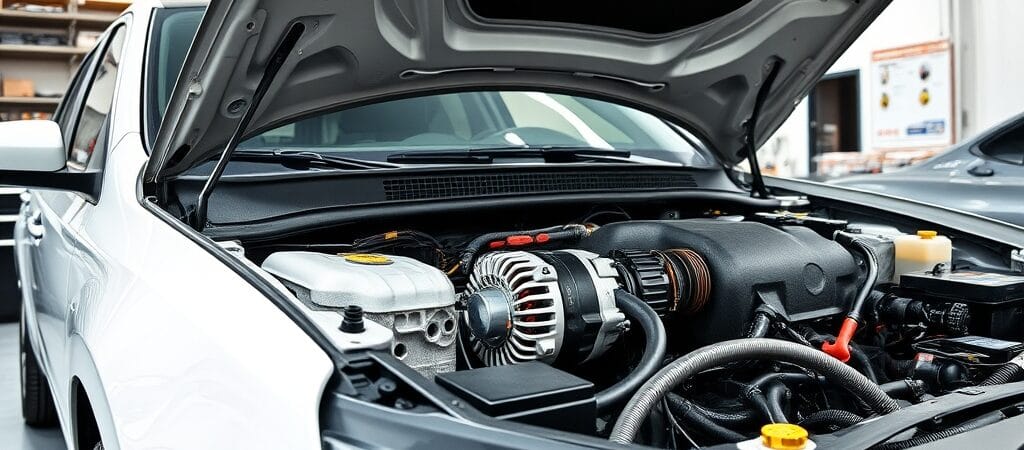
A battery warning light that comes on while driving usually indicates that the vehicle has detected a charging-system problem, not necessarily that the battery itself has failed. Depending on the vehicle, the cause may involve the alternator or generator, drive belt, wiring or connections, battery, voltage regulation or charging-control system, or another related fault. If charging stops, the vehicle may eventually operate only from stored battery energy and can shut down when that energy is depleted. Diagnose the charging system before replacing the battery or alternator.
Why Is the Battery Light On While Driving?
The battery-shaped warning indicator is commonly associated with the charging system. When it remains illuminated with the engine running, the vehicle may have detected inadequate charging, excessive charging, or another charging-system fault depending on its design. The light does not identify which component has failed. Because a charging failure can eventually leave the vehicle without sufficient electrical power, investigate the warning promptly.
Common Symptoms Associated with the Battery Light
A charging-system problem may occur with additional symptoms such as:
- Dimming or unusually bright lights
- Electrical accessories operating abnormally
- Multiple warning lights appearing as system voltage falls
- Slow or difficult starting after the battery becomes discharged
- Belt-related or bearing noises from the engine compartment
- Intermittent electrical operation
These symptoms can have causes other than a charging-system fault and should be treated as diagnostic clues rather than proof of a failed alternator or battery.
Possible Causes of a Battery Light While Driving
Understanding the underlying causes can aid in effectively diagnosing the problem.
Alternator or Charging-Generator Problems
An alternator or other charging generator that cannot provide the required electrical output can cause the battery warning light to illuminate. However, the warning does not prove that the alternator itself has failed. Charging output can also be affected by wiring, connections, belt drive, control circuits, voltage regulation, battery condition, or vehicle-specific energy-management systems.
Loose, Corroded, or High-Resistance Connections
Loose connections, corrosion, damaged terminals, poor grounds, or excessive resistance in charging-system cables can interfere with current flow and charging performance. Inspect accessible battery, ground, and charging-system connections, but use appropriate voltage-drop or vehicle-specific electrical testing when a connection problem is suspected rather than relying on appearance alone.
Voltage-Regulation or Charging-Control Problems
Charging voltage may be controlled internally by the alternator, by a separate regulator, by an engine or powertrain control module, or through another vehicle-specific charging strategy. A control or regulation fault can result in undercharging, overcharging, intermittent charging, or a warning indication. Identify how the specific vehicle controls charging before testing or replacing a regulator or alternator.
Drive Belt or Belt-Drive Problems
On vehicles where the charging generator is belt-driven, a broken, slipping, loose, contaminated, or improperly tensioned belt—or a tensioner or pulley problem—can reduce or stop generator output. On some engines the same belt may drive other important accessories, so a broken belt can create additional problems. Inspect the actual belt-drive arrangement for the specific vehicle.
Wiring, Fuse, Fusible-Link, or Ground Faults
Open circuits, damaged wiring, poor grounds, loose connectors, blown high-current fuses or fusible links where applicable, and excessive resistance can prevent proper charging even when the alternator and battery are functional. Electrical testing should follow the vehicle wiring diagram and service procedure. Avoid using a simple continuity test alone to evaluate high-current charging circuits.
Battery Problems
A damaged, deeply discharged, internally faulty, or poorly connected battery can affect charging-system operation and may contribute to a battery warning on some vehicles. Battery condition should be tested rather than judged by age alone. Do not replace the battery solely because the battery-shaped warning light is illuminated.
Diagnostic Steps to Take When the Battery Light Is On
Taking the right diagnostic steps can help identify the root cause of the battery light activation.
Verify the Complaint
Confirm that the illuminated symbol is the charging-system or battery warning indicator and note when it appears. Check for dimming lights, electrical malfunctions, unusual belt or bearing noises, other warning indicators, or starting problems. If steering effort suddenly increases, engine temperature rises, or other serious warnings appear at the same time, stop driving as soon as it is safe because a belt-drive failure may be affecting additional systems on some vehicles.
Inspect for Simple Causes
With the engine safely off, inspect accessible battery terminals, grounds, charging-system wiring, connectors, and the generator drive belt where applicable. Look for loose or damaged connections, corrosion, damaged cables, missing or damaged belt sections, and obvious fluid contamination. Do not place hands or tools near belts, pulleys, or cooling fans while the engine is running.
Scan for Codes and Charging-System Data
Scan the relevant vehicle modules for stored or pending DTCs and review available charging-system data. Depending on the vehicle, useful information may include commanded charging voltage, generator command or load, battery-current or battery-monitoring data, and system voltage. Codes and scan data can guide diagnosis but do not prove that the alternator or battery has failed.
For help interpreting diagnostic codes and scan information, see our How to Read OBD2 Codes: A Step-by-Step Diagnostic Guide.
Test the Battery and Charging System
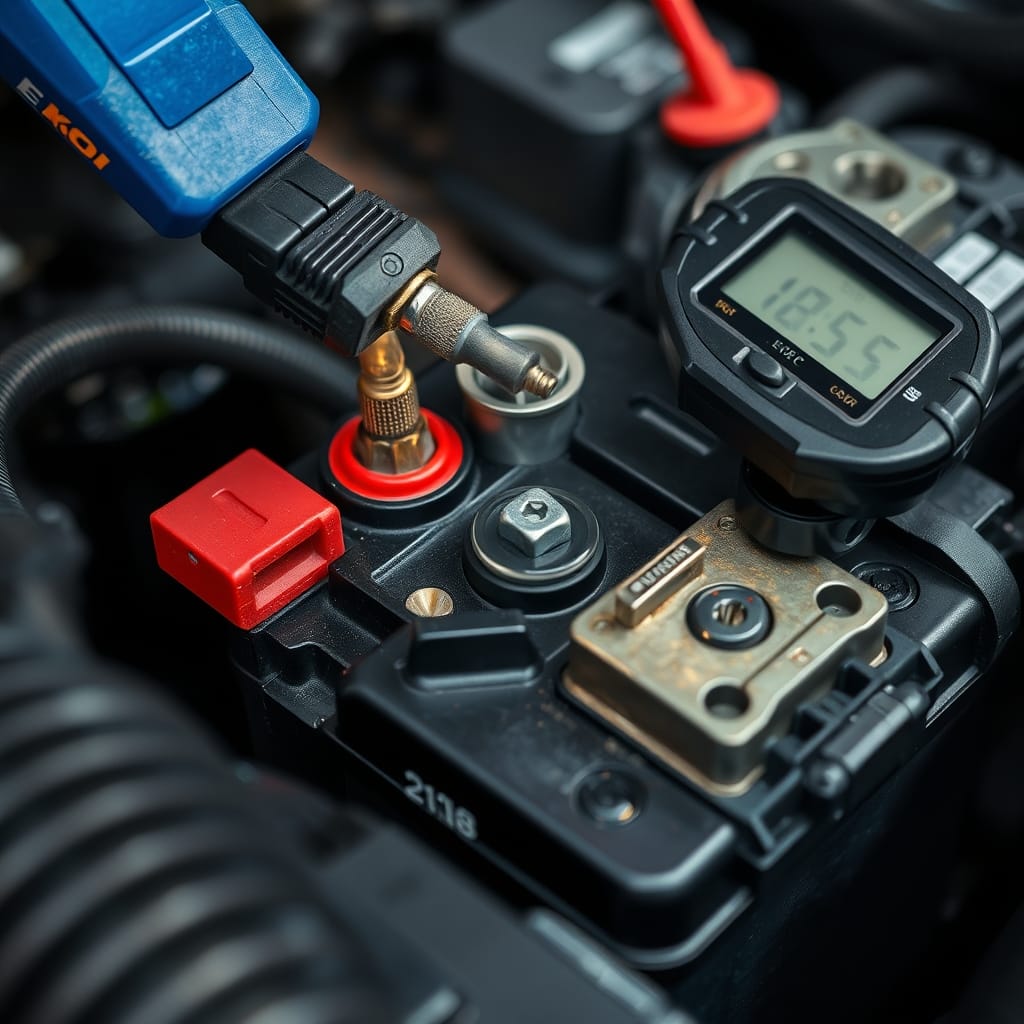
Test battery condition and charging-system performance using procedures appropriate for the vehicle. Compare measured values with manufacturer specifications while considering operating conditions and the vehicle’s charging strategy. Where appropriate, test charging output and perform voltage-drop checks across relevant positive and ground circuits. Do not condemn an alternator solely because a single voltage reading differs from a generic value.
Repair Options After Diagnosis
Repair only the fault confirmed by testing. Depending on the diagnosis, this may involve:
- Repairing or cleaning a confirmed high-resistance or corroded connection
- Repairing damaged wiring, grounds, connectors, fuses, or fusible links where applicable
- Correcting a confirmed drive-belt, tensioner, or pulley problem
- Replacing a battery that fails appropriate testing
- Repairing or replacing a charging generator or regulation/control component that has failed diagnosis
- Addressing a vehicle-specific charging-control or battery-monitoring fault
After repair, verify charging-system operation under appropriate conditions, confirm that the warning light remains off, and recheck relevant DTCs or scan data. Do not replace the battery, alternator, or voltage regulator solely because the battery light is illuminated.
Safety Measures When Diagnosing a Battery Light
Automotive batteries and charging systems can deliver very high current. Avoid shorting battery terminals or charging-system connections with tools or test leads, and follow the vehicle manufacturer’s procedure before disconnecting electrical components. Wear appropriate eye protection when working around a battery and keep sparks, flames, and other ignition sources away from batteries that may release flammable gas.
Keep hands, clothing, tools, and test leads away from belts, pulleys, cooling fans, and other moving components during running-engine tests. Remember that electric, hybrid, mild-hybrid, and some modern vehicles may contain higher-voltage systems that require specialized procedures and training. Do not work on orange high-voltage cables or components unless properly qualified.
Vehicle-Specific Considerations for Battery Light Issues
Charging-system design and diagnostic specifications vary considerably by vehicle. Some vehicles use conventional alternator regulation, while others use computer-controlled or intelligent charging and battery-monitoring systems. Consult vehicle-specific service information for the correct test conditions, specifications, wiring diagrams, and component procedures rather than relying on universal charging-voltage values.
Frequently Asked Questions
What does it mean if the battery light is on while driving?
A battery warning light that remains on while driving usually indicates that the vehicle has detected a charging-system problem. It does not necessarily mean the battery itself has failed. The cause may involve the charging generator, belt drive, wiring or grounds, battery, voltage regulation, or vehicle-specific charging controls.
What can cause the battery light to turn on?
Possible causes include charging-generator problems, loose or high-resistance connections, damaged wiring or grounds, belt-drive faults, battery problems, blown charging-system protection devices where applicable, or voltage-regulation and charging-control faults. Diagnosis is required to determine the actual cause.
Can I still drive if the battery light is on?
Continued driving can eventually result in loss of electrical power if the charging system is not replenishing the battery. Reduce unnecessary electrical loads and move to a safe location for diagnosis as soon as practical. If additional serious warnings appear, steering effort changes significantly, engine temperature rises, or the vehicle begins losing electrical functions, stop as soon as it is safe to do so.
How can I diagnose the issue when the battery light is on?
Confirm the warning and symptoms, inspect accessible connections and the belt drive where applicable, scan relevant modules for DTCs and charging data, test battery condition, and evaluate charging-system performance according to vehicle-specific procedures. Use voltage-drop and circuit testing where appropriate before deciding which component has failed.
What repairs can be done if the battery light is on?
The repair depends on the confirmed fault and may involve repairing wiring or connections, servicing a belt-drive problem, replacing a battery that fails testing, repairing a charging generator or control fault, or correcting another vehicle-specific charging-system problem. Do not replace parts solely because the battery light is illuminated.
Are there safety measures I should follow when dealing with battery issues?
Yes. Avoid short circuits and sparks around the battery, wear appropriate eye protection, keep ignition sources away from batteries, and stay clear of belts, pulleys, and cooling fans during running-engine tests. Hybrid and electric high-voltage systems require specialized procedures and should not be serviced without appropriate training.
Final Checks
A battery warning light while driving usually indicates a charging-system problem, but it does not identify the failed component. Confirm the warning, inspect accessible connections and belt-drive components where applicable, review relevant scan data, test the battery and charging system using vehicle-specific procedures, and perform targeted circuit tests before replacing parts. After repairing the confirmed cause, verify proper charging operation, confirm that the warning remains off, and check that related faults do not return.