
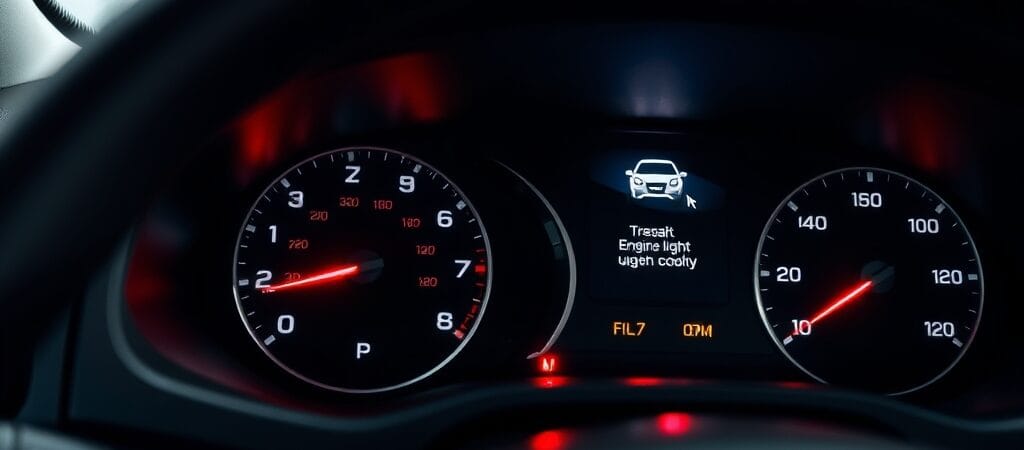
If your check engine light is on but the car runs fine, it can be confusing. This situation often involves non-critical issues that require attention. The check engine light serves as a preliminary warning from the engine management system, indicating that while your vehicle may feel fine, there could be underlying problems that need to be investigated. Ignoring the light can lead to more severe issues down the road, affecting performance and potentially resulting in costly repairs.
What to Do When the Check Engine Light Is On But the Car Runs Fine
Definition of the Check Engine Light
The Check Engine Light (CEL) is a warning indicator located on the dashboard of modern vehicles. It alerts the driver that the vehicle’s engine management system has detected an issue that requires attention. When this light is illuminated, it signifies that the Engine Control Module (ECM) or Powertrain Control Module (PCM) has identified a condition that may not currently impact the vehicle’s performance, but could indicate a potential issue if not addressed.
Implications of a CEL When the Car Runs Smoothly
If your Check Engine Light is on but the vehicle operates without noticeable performance issues, it can be confusing. This often indicates a non-critical issue that needs investigation. The CEL serves as a preliminary warning, suggesting that while the car may seem fine, underlying problems could develop if left unexamined. Neglecting the CEL can lead to more significant issues, potentially resulting in costly repairs, reduced fuel efficiency, or safety risks.
Common Symptoms Linked to an Illuminated CEL
Monitoring Performance Metrics
Even if the car runs smoothly, it’s helpful to monitor specific performance indicators for reassurance. These might include fuel efficiency, smooth acceleration, and steady idle. However, even minor fluctuations in these parameters could signal an underlying issue that requires attention while the vehicle still performs normally.
Distinguishing Noticeable and Subtle Symptoms
It’s important to differentiate between noticeable and subtle symptoms. Noticeable symptoms may include stalling, jerking during acceleration, or rough idling. Subtle symptoms might only manifest through diagnostic trouble codes (DTCs) or slight changes in driving dynamics. This distinction is crucial for effective diagnostics and repairs.
Possible Causes of a Check Engine Light Without Performance Issues
Loose or Faulty Gas Cap
A common reason for an illuminated CEL is a loose or defective gas cap. If the cap isn’t sealed properly, it can cause a vacuum leak, triggering the CEL. Inspect the gas cap for cracks or damage and ensure that it is tightened securely.
Faulty Oxygen Sensor
A malfunctioning oxygen sensor can also activate the CEL without affecting engine performance. This sensor is essential for managing fuel efficiency and emissions. If it is not working accurately, it may trigger a warning without causing significant performance changes. Testing the sensor can determine if it needs replacement.
Dirty Mass Airflow (MAF) Sensor
A dirty or faulty Mass Airflow (MAF) sensor can lead to inaccurate readings of the air entering the engine, which can activate the CEL. While the vehicle might still run smoothly, an improper air-fuel mixture could cause future issues. Cleaning or replacing the MAF sensor may resolve the CEL without impacting performance.
Worn Spark Plugs or Spark Plug Wires
Worn spark plugs or damaged spark plug wires can sometimes trigger the CEL. Although the engine may run smoothly, these components might not operate optimally, potentially leading to reduced fuel efficiency or misfires down the road. An inspection can help determine if they require replacement.
EVAP System Leaks
The Evaporative Emission Control System (EVAP) may trigger the CEL due to leaks or malfunctions. Symptoms might not be immediately apparent, but problems within the EVAP system can affect vehicle emissions. Diagnosing this system requires specific procedures to locate leaks or identify faulty components.
Diagnostic Steps for Identifying the Cause of the CEL
Verifying the Initial Complaint
Begin by confirming that the CEL is illuminated and note how long it has been on. This step verifies that you are addressing an active issue and assists in monitoring changes throughout the diagnostics.
Inspecting for Obvious Causes
Inspect easily visible components for quick results. Check the gas cap for tightness and condition, look for loose wiring or visible damage in connected parts, and ensure there are no evident leaks. This basic approach often resolves straightforward issues.
Using an OBD-II Scanner to Retrieve Codes
Utilizing an OBD-II scanner is essential for identifying the specific trouble codes logged by the ECM/PCM. These codes will guide the diagnostic process, pinpointing where to focus further attention and testing. Take note of any freeze-frame data that may assist diagnostics.
Testing Sensors and Systems
Once potential causes have been identified through codes, proceed to test the relevant sensors and systems. This may involve inspecting the MAF sensor for cleanliness, using a multimeter on the oxygen sensor, or checking spark plugs. This step is crucial for confirming which components are functioning properly.
Repair Options After Diagnosis
Addressing Simple Repairs
When diagnostics confirm simple issues such as a loose gas cap or dirty MAF sensor, these can often be resolved quickly and with minimal cost. Attending to these basic problems can turn off the CEL and restore normal function promptly.
When to Consider Professional Assistance
If the diagnosis reveals complex issues, such as internal engine problems or significant faults in the EVAP system, it may be wise to seek professional help. Technicians possess the tools and expertise to perform comprehensive diagnostics and ensure accurate repairs, avoiding further complications.
Confirming Successful Repairs and Monitoring Vehicle Status
Ensuring the CEL Is Resolved
After repairs, clear the codes using the OBD-II scanner and monitor whether the CEL reappears. If successful, the previous fault should not reoccur. This step is crucial for confirming that the underlying issue has been addressed.
Assessing Long-term Vehicle Performance
Once the CEL is off, evaluate the vehicle’s long-term performance. Pay attention to any changes in fuel efficiency, acceleration, or overall behavior. Continuous observation helps ensure that no lingering issues remain and that the vehicle stays in optimal condition.
Safety Considerations When Addressing the Check Engine Light
Immediate Response to a Flashing CEL
If the CEL begins to flash instead of remaining solid, immediate action is necessary. This indicates a potentially serious engine issue, such as misfiring, which could lead to significant damage. In such cases, safely stop the vehicle and seek professional assistance promptly.
General Safety Guidelines for Diagnostics
When performing diagnostics or repairs, adhere to general safety protocols. Ensure the vehicle is on a stable surface, use jack stands if lifting the car, and take care around hot engine components. Always consult vehicle-specific service information for proper guidelines and procedures to ensure your safety.

Frequently Asked Questions
What does it mean if the check engine light is on but the car runs fine?
This typically indicates a non-critical issue that needs investigation, even if performance seems normal.
What are common causes for a check engine light without performance issues?
Common causes include a loose gas cap, faulty oxygen sensor, dirty mass airflow sensor, worn spark plugs, and EVAP system leaks.
Can I continue driving if the check engine light is on?
While it may be safe to drive short distances, it’s important to address the underlying issue to prevent future complications.
How can I diagnose the problem behind the check engine light?
Use an OBD-II scanner to retrieve diagnostic trouble codes and inspect potential causes, starting with simple checks like the gas cap.
When should I seek professional help for a check engine light?
If diagnostics reveal complex problems or you’re unsure about the next steps, it’s best to consult a professional technician.
Final Checks
A check engine light on but a car running fine signals non-critical issues that should not be ignored. It’s crucial to diagnose the cause before assuming that everything is functioning properly, as ignoring the warning could lead to bigger problems and costly repairs in the future. After performing any repairs, monitor whether the light returns to confirm the issue has been resolved.