
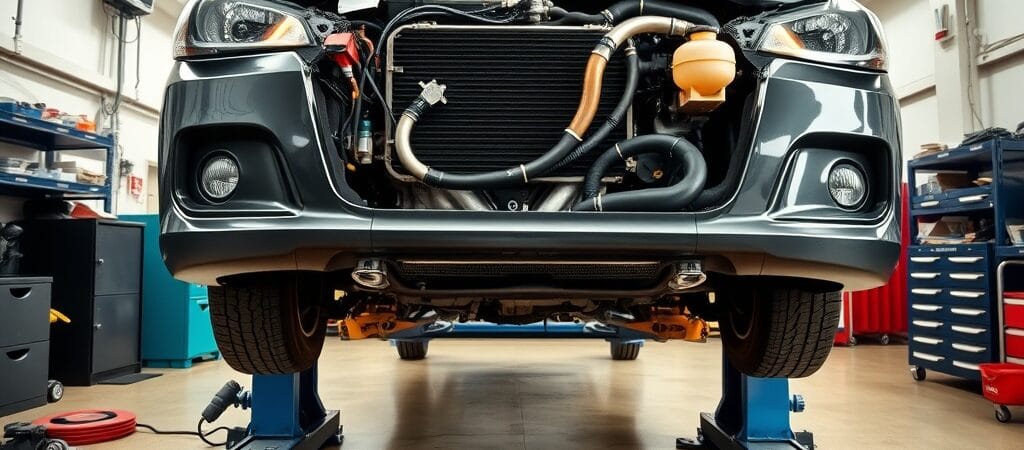
Coolant disappearing with no visible leak does not automatically mean the engine has an internal coolant leak. Small external leaks may appear only when the cooling system is hot and pressurized, coolant may escape through the pressure cap or recovery system, a heater core can leak inside the cabin, and some engine faults can allow coolant to enter the combustion chamber or engine oil. The correct approach is to confirm the coolant loss, inspect the entire system, and test suspected causes before replacing parts.
Why Is Your Coolant Disappearing With No Visible Leak?
A lack of coolant on the ground does not prove that the loss is internal. A small leak may evaporate from a hot engine component, occur only while the system is pressurized, collect in an undertray, or escape through the pressure cap or overflow/recovery system. Coolant can also leak from the heater core into the passenger compartment or, in some cases, enter the engine internally.
Recognizing Symptoms of Coolant Loss
Decreasing Coolant Levels
A repeatable drop in coolant level is the main symptom to verify. Check the level only under the conditions specified by the vehicle manufacturer, preferably with the engine cold when applicable, and compare it over several drive cycles. Do not repeatedly remove a pressure cap from a hot cooling system.
If the level continues to fall, inspect for external, cabin-side and internal coolant loss rather than assuming one particular cause.
Persistent White Exhaust Vapor
White vapor immediately after a cold start can simply be condensation. However, persistent exhaust vapor after the engine is fully warm, especially when accompanied by continuing coolant loss, may justify investigation for coolant entering a combustion chamber.
This symptom alone does not confirm a failed head gasket.
Coolant Contamination in Engine Oil
Coolant entering the crankcase can sometimes produce a milky or emulsified appearance in the engine oil. However, a small amount of light-colored residue under the oil filler cap can also occur from condensation, particularly on vehicles used for frequent short trips.
Coolant loss combined with contaminated oil warrants prompt diagnosis because coolant in the lubrication system can contribute to serious engine damage.
High Engine Temperature Readings
Overheating or high engine temperature readings can sometimes result from low coolant levels, but high temperatures may also be caused by other faults in the cooling system or engine. If you observe elevated temperature readings, treat it as a warning and inspect the system further to determine the underlying issue.
Possible Causes of Coolant Loss With No Obvious Leak
Small or Intermittent External Leaks
A small cooling-system leak may occur only when the engine is hot and the system is pressurized. Coolant can also evaporate after contacting hot components, leaving little or no puddle beneath the vehicle.
Inspect the radiator, hoses, hose connections, thermostat housing, coolant reservoir, water-pump area and other accessible cooling-system components for dried coolant residue, staining or dampness. Vehicle design determines which components are present and accessible.
Head-Gasket Leakage
A damaged head gasket can allow coolant to enter a combustion chamber, the crankcase, or another part of the engine depending on the location and type of failure. Possible clues can include persistent coolant loss, abnormal exhaust vapor, overheating, cooling-system pressurization or oil contamination.
None of these symptoms alone confirms head-gasket failure. Further testing is needed before major engine disassembly is considered.
Cracked Cylinder Head or Engine Block
A cracked cylinder head or engine block can sometimes allow coolant to enter a combustion chamber, oil passage or another area without leaving an obvious external leak. These failures should not be assumed from coolant loss alone.
Diagnosis may require cooling-system pressure testing, combustion-leak testing, cylinder testing or other vehicle-specific procedures depending on the suspected failure.
Intake Manifold or Related Gasket Leakage on Some Engines
On engines where coolant passes through or near the intake manifold, a failed manifold gasket or related seal may allow coolant to leak internally or externally. This failure mode does not apply to every engine design, so consult vehicle-specific service information before treating the intake manifold as a likely source.
Heater Core or Cabin-Side Leakage
A leaking heater core or related connection may allow coolant to escape inside the passenger compartment rather than onto the ground. Possible clues include damp carpeting, coolant residue, an unusual sweet odor or persistent windshield fogging.
These clues are not conclusive by themselves, so inspect the heater circuit and cabin area before condemning the heater core.
Pressure Cap or Coolant Recovery Problems
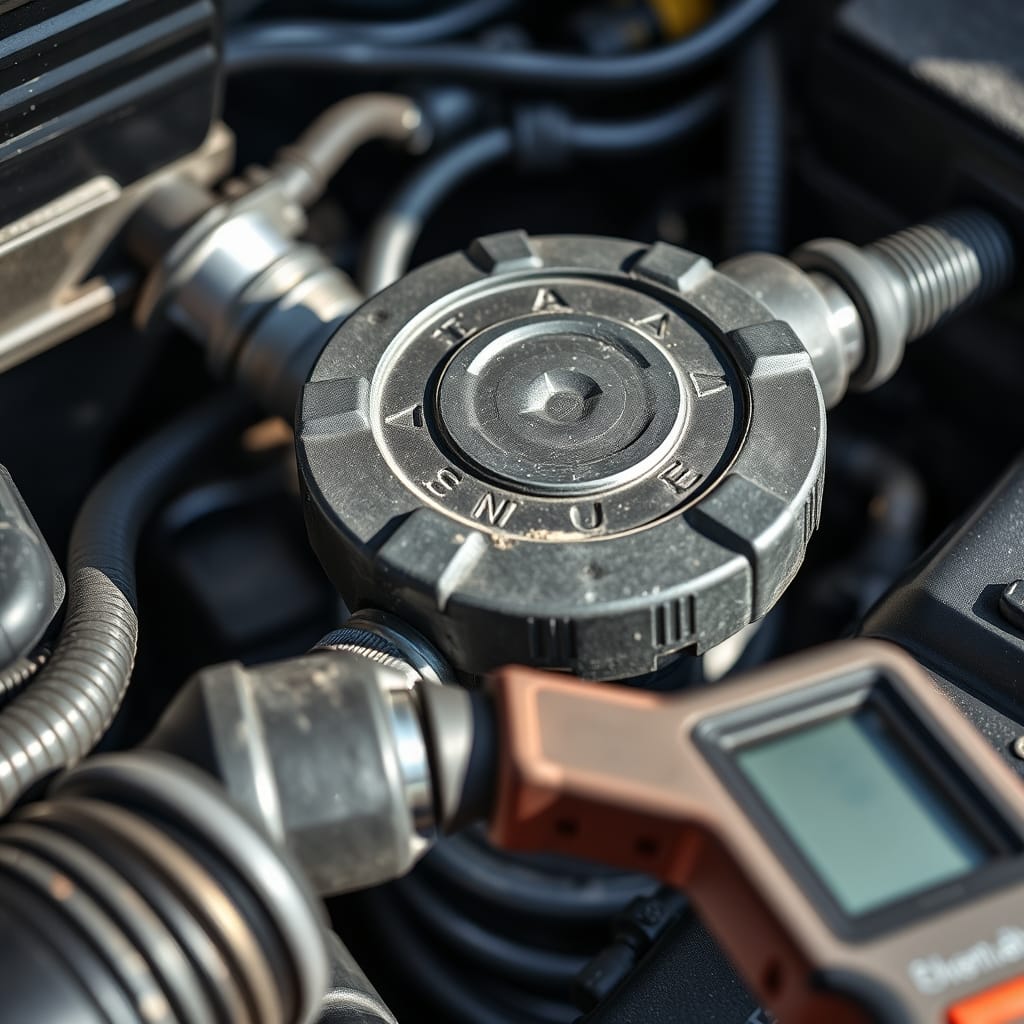
A damaged, incorrectly rated or poorly sealing radiator or expansion-tank pressure cap can interfere with proper cooling-system pressure and coolant recovery. Coolant may escape through the overflow or recovery system without leaving an obvious puddle near the engine.
Inspect the cap, filler neck, reservoir and recovery hoses where applicable. If the cap is tested or replaced, use the vehicle manufacturer’s specified type and pressure rating rather than choosing a cap by appearance alone.
Diagnostic Approach for Coolant Loss
Step 1: Verify the Coolant Loss
With the engine cold and following the manufacturer’s checking procedure, establish the correct coolant level and monitor it over several drive cycles. Note when the loss occurs and whether it is associated with overheating, cabin odors, persistent exhaust vapor, warning messages or changes in engine operation.
Do not diagnose an internal engine leak solely because the reservoir level has changed once.
Step 2: Inspect for External and Cabin-Side Leakage
With the engine cool, inspect accessible hoses, connections, the radiator, reservoir, pressure-cap sealing area, thermostat housing and water-pump area where visible. Look for wetness, staining or dried coolant residue.
Also inspect for signs of heater-core or heater-hose leakage. Remember that undertrays can hide coolant and small leaks may occur only when the system is hot and pressurized.
Step 3: Scan for Codes and Relevant Data
If the vehicle supports OBD-II diagnostics, scan for stored and pending trouble codes and review relevant data when useful. Engine-temperature data, misfire information and related faults can provide diagnostic clues.
A trouble code does not identify the source of coolant loss by itself. Use scan information together with physical inspection and targeted testing.
Step 4: Perform Targeted Cooling-System Tests
If the source is still unclear, a cooling-system pressure test can help reveal leaks that are difficult to find during a normal visual inspection. The pressure cap can also be tested with suitable equipment where applicable. Cooling-system pressure-testing equipment is specifically designed for checking cooling systems and caps.
Depending on the symptoms and vehicle design, additional testing may include fluorescent dye for difficult external leaks, testing for combustion gases in the cooling system, inspection for coolant contamination, or cylinder-related testing when evidence points toward an internal engine problem.
Follow vehicle-specific service procedures and test-pressure limits. Do not exceed the specified cooling-system pressure.
Repair Only the Confirmed Cause
Once testing identifies the source of coolant loss, repair the confirmed fault according to vehicle-specific service information. The correct repair may be as simple as correcting a hose, connection, reservoir or pressure-cap problem, or it may require heater-core, gasket or engine repair.
Do not replace a pressure cap, head gasket, heater core or other component simply because its symptoms appear on a list. The diagnosis should provide evidence that the component or sealing point is actually responsible for the coolant loss.
Verify the Repair
After the repair, restore the coolant level using the manufacturer-specified coolant and filling/bleeding procedure. Confirm that trapped air has been removed as required for the vehicle.
Recheck for leakage and reproduce the conditions under which the coolant loss occurred when practical. Continue monitoring the coolant level over subsequent drive cycles to confirm that the loss has stopped and that engine temperature remains normal.
Safety Precautions When Checking the Cooling System
Never remove a radiator, expansion-tank or other pressurized cooling-system cap while the system is hot unless the vehicle manufacturer specifically provides a safe procedure. Hot coolant and steam can cause severe burns.
Allow the engine to cool before opening the system. Keep hands, clothing and tools away from electric cooling fans and other moving components because some fans can operate unexpectedly. Follow manufacturer procedures when pressure-testing the system, and never exceed the specified test pressure.
Frequently Asked Questions
What causes coolant to disappear without a visible leak?
Possible causes include a small leak that occurs only when the system is hot and pressurized, coolant escaping through the pressure cap or recovery system, heater-core leakage, or an internal engine leak. Testing is needed to identify the actual source.
Does coolant loss with no puddle mean a blown head gasket?
No. A failed head gasket is one possible cause, but small external leaks, pressure-cap problems, heater-core leaks and other faults can also cause coolant loss without an obvious puddle.
Is white exhaust vapor proof of a coolant leak?
No. White vapor during a cold start can be normal condensation. Persistent vapor after the engine is fully warm, combined with continuing coolant loss or other symptoms, warrants further diagnosis.
Can I drive if my car keeps losing coolant?
Continuing coolant loss should not be ignored. If the engine is overheating, the temperature warning appears, coolant loss is substantial, or other serious symptoms occur, stop driving when safe and have the vehicle inspected. A small unexplained loss should still be diagnosed before it develops into a larger problem.
How do you find a coolant leak that is not visible?
Start by confirming the coolant loss and inspecting for residue or small external and cabin-side leaks. If the source remains unclear, cooling-system pressure testing and other targeted tests can help determine where the coolant is escaping.
Final Checks
Coolant disappearing without a visible puddle does not automatically indicate a head-gasket or other internal engine failure. Small external leaks, pressure-cap or recovery-system faults, heater-core leakage and internal engine problems can all produce similar symptoms.
Confirm the coolant loss, inspect accessible components, use scan data where relevant, perform targeted tests, and repair only the cause supported by the evidence. After the repair, follow the correct filling and bleeding procedure and monitor the coolant level to verify that the problem has been resolved.