
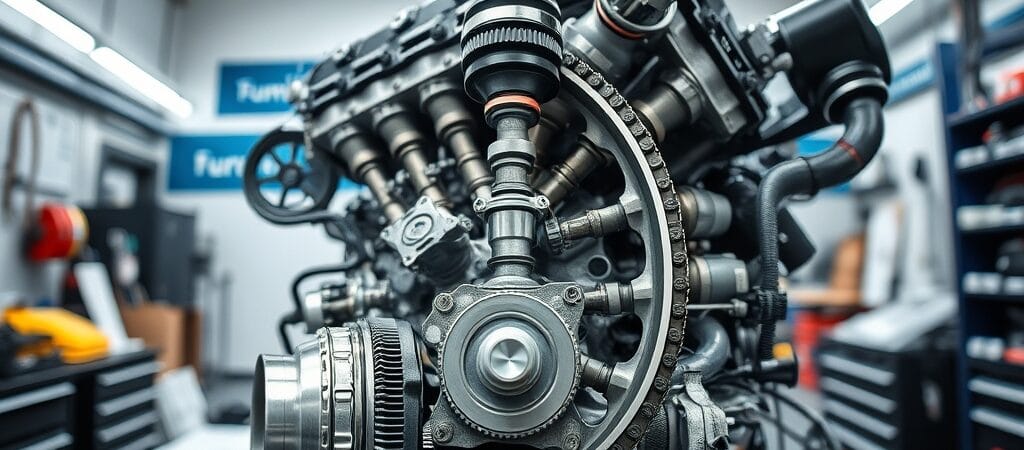
Engine ticking can be normal in some engines—for example, from fuel injectors or valve-train operation—but it can also point to low oil level, an exhaust leak, valve-train wear, timing-component problems, or another fault. The sound alone does not identify the cause. Note whether the tick is present at idle, changes with engine speed or load, occurs when cold or hot, or comes with warning lights, poor performance, overheating, or low oil pressure.
Common Symptoms and Clues Associated With Engine Ticking
Engine ticking may occur by itself or alongside other symptoms. Note whether the sound changes with engine RPM, load, temperature, or oil pressure, and whether other symptoms appear at the same time.
- Changes with engine speed: A tick that increases in frequency with RPM suggests a source related to engine or accessory operation, although it does not identify the component.
- Cold-start or hot-engine behavior: Some noises appear mainly during cold start and diminish as the engine warms, while others become more noticeable when the engine is hot.
- Performance changes: Reduced power, rough running, hesitation, or unusual vibration may provide additional diagnostic clues.
- Warning lights or messages: A Check Engine light, oil-pressure warning, overheating warning, or other message should be considered together with the noise.
- Changes under load: A noise that becomes more noticeable during acceleration or under engine load may require a different diagnostic approach than a tick heard only at idle.
These observations help narrow the investigation, but none identifies the failed component by itself.
Possible Causes of Engine Ticking Noise
Understanding the potential causes of engine ticking noise is vital for accurate diagnosis.
Low Oil Level or Lubrication Problems
Low engine-oil level or a lubrication problem can contribute to abnormal valve-train or other engine noise, but ticking alone does not prove that oil level or oil pressure is the cause. Check the oil level using the manufacturer’s procedure and inspect for obvious leaks. If an oil-pressure warning is present, do not assume that adding oil will correct the problem; low oil pressure can have causes other than low oil level and may require immediate diagnosis.
Exhaust Leaks
An exhaust leak near the cylinder head, exhaust manifold, gasket, or related connection can sometimes produce a sharp ticking or tapping sound that changes with engine speed and may be more noticeable during cold operation. Look for supporting evidence such as visible damage, soot marks, or escaping exhaust, but avoid touching hot exhaust components. Confirm the leak before replacing gaskets or other exhaust parts.
Combustion or Ignition-Related Noise
Abnormal combustion, a misfire, or an ignition-related problem may produce rough running or noises that can be mistaken for mechanical ticking. If the engine also misfires, hesitates, or stores related DTCs, diagnose the combustion problem separately. A spark plug should not be replaced simply because a ticking noise is present.
Valve-Train Noise
Components in the valve train can produce ticking or tapping noises when excessive clearance, wear, lubrication problems, or another mechanical condition is present. Designs vary considerably and may use hydraulic lash adjusters, mechanical clearances, rocker arms, followers, or other arrangements. Determine where the noise originates and follow the manufacturer’s inspection and measurement procedures before adjusting or replacing valve-train components.
Normal Fuel-Injector Operation
Fuel injectors can produce a regular clicking or ticking sound during normal operation, and the sound varies between engine and injection-system designs. A clearly audible injector tick does not by itself indicate clogging or injector failure. If injector operation is suspected of causing a drivability problem, use scan data and vehicle-appropriate electrical or functional testing rather than judging the injector from sound alone.
Timing-System or Other Internal Engine Noise
Timing chains, tensioners, guides, camshaft-related components, and other internal engine parts can produce abnormal mechanical noise when faults develop. However, ticking alone does not establish that the timing chain is stretched or that a tensioner has failed. Noise location, operating conditions, DTCs, timing data where available, oil condition or pressure where relevant, and manufacturer-specific inspection procedures should be considered before internal engine components are replaced.
How to Diagnose Engine Ticking Noise
Diagnosing engine ticking noise involves several steps to confirm the source.
Verifying the Complaint
Start by carefully listening to the noise when the engine is running. Note the conditions under which it occurs—whether it is more pronounced at idle or during acceleration. This preliminary evidence can guide your next steps.
Inspecting Simple Causes
With the engine off and cool, first check the oil level using the vehicle-specific procedure and look for obvious oil leaks. Inspect accessible exhaust shields, manifolds, and related hardware for loose or damaged parts. Do not assume low oil, an exhaust leak, spark plugs, or the valve train is the cause from ticking alone.
Scan for Related Diagnostic Information
A mechanical ticking noise may not set a DTC. However, if a Check Engine light or drivability problem accompanies the noise, scan for stored and pending codes and review relevant freeze-frame and live data before clearing anything. DTCs may help identify a related system or operating condition, but they do not prove which component is producing the noise.
Narrow Down and Test the Suspected Source
Use the noise pattern to decide what should be tested. Determine whether the ticking follows engine RPM, appears mainly during cold start, changes as the engine warms, becomes louder under load, or is concentrated near the valve cover, exhaust manifold, accessory drive, or another area. Depending on the evidence, diagnosis may involve checking oil level or pressure, inspecting for exhaust leakage, evaluating valve-train operation, checking related scan data, or performing vehicle-specific mechanical tests. Confirm the source before disassembling the engine or replacing components.
Repair Options After Diagnosis
Repair should address only the cause confirmed during diagnosis. Depending on the vehicle and test results, this may involve correcting an oil-level problem or confirmed lubrication fault, repairing an exhaust leak, servicing a valve-train or timing-system fault, repairing an ignition or combustion problem, or addressing another identified mechanical condition.
Do not replace spark plugs, fuel injectors, lifters, timing components, oil pumps, or other engine parts solely because a ticking noise is present. After repair, operate the engine under the conditions that originally produced the noise and confirm that the symptom and any related DTCs or warning indicators do not return.
Safety Considerations When Dealing With Engine Noise
Park the vehicle securely on a stable surface and keep hands, clothing, tools, and test equipment away from belts, pulleys, cooling fans, and other moving components while the engine is running. Electric cooling fans may start unexpectedly. Avoid contact with hot exhaust and engine components. If lifting the vehicle is necessary, use approved lifting points and properly rated support equipment; never work beneath a vehicle supported only by a jack.
If ticking is accompanied by an oil-pressure warning, overheating, severe loss of power, heavy knocking or grinding, smoke, or another serious warning, shut the engine off when safe and arrange diagnosis rather than continuing to operate it.
Vehicle-Specific Diagnosis and Repair Tips
Diagnosis and repair procedures can vary based on the vehicle make and model. Consult your manufacturer’s service manual for specific guidelines related to your vehicle. This resource can provide diagnostics unique to the engineering of your engine, ensuring the most accurate and effective repairs.
Frequently Asked Questions
What causes engine ticking noise?
Engine ticking may come from normal fuel-injector or valve-train operation, low oil level or lubrication problems, an exhaust leak, abnormal valve-train operation, timing-system faults, combustion-related problems, or other engine components. The sound alone cannot identify the cause.
Can engine ticking noise be serious?
Sometimes. Some ticking noises are characteristic of normal engine operation, while others may indicate lubrication, exhaust, valve-train, timing, or other mechanical problems. Ticking accompanied by an oil-pressure warning, overheating, severe performance problems, or louder knocking or grinding requires prompt attention.
How can I diagnose engine ticking noise?
First determine when the ticking occurs and whether it changes with engine RPM, temperature, or load. Check the oil level and inspect accessible components for obvious problems. If warning lights or drivability symptoms are present, scan for related DTCs and data. Then use the noise location and operating conditions to select appropriate vehicle-specific tests before replacing components.
Can low engine oil cause ticking noise?
Low oil level can contribute to abnormal engine or valve-train noise on some engines, but ticking does not prove that the oil level is low. Check the level using the manufacturer’s procedure. If an oil-pressure warning is present, stop the engine when safe and investigate the cause rather than assuming that adding oil will solve the problem.
What should I do if I hear engine ticking noise?
First note when the ticking occurs and whether it changes with engine RPM, temperature, or load. Check the engine-oil level safely and look for related warning lights or obvious leaks. If the noise persists, becomes louder, or occurs with low oil pressure, overheating, poor performance, knocking, or grinding, arrange professional diagnosis.
Final Checks
Engine ticking is a sound to investigate, not a diagnosis. Confirm when and where the noise occurs, inspect safe and visible causes first, and use vehicle-specific testing to identify the source before replacing parts. Arrange prompt professional inspection if ticking is accompanied by low oil pressure, overheating, poor performance, a warning light, or a louder knocking or grinding noise.