
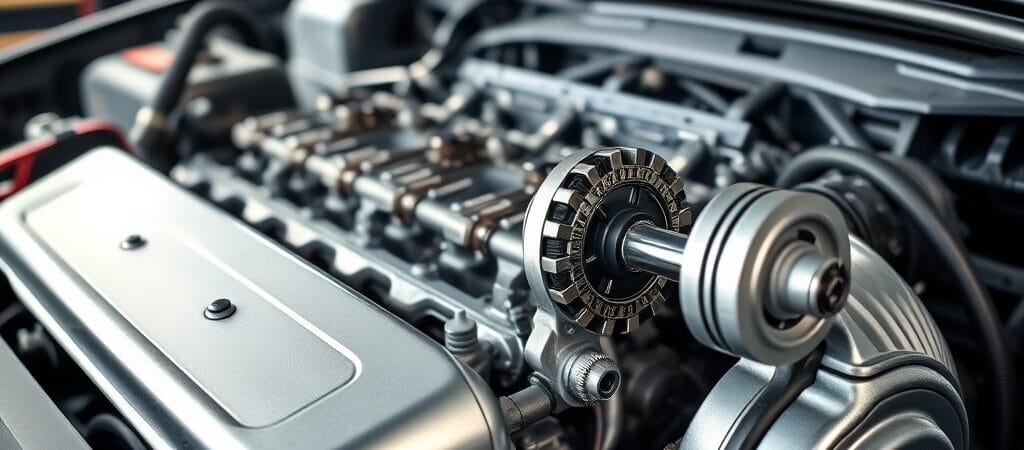
Experiencing issues with your vehicle’s engine? The P0014 code indicates a problem with the Variable Valve Timing (VVT) system, particularly related to camshaft timing. This article will help you understand what the P0014 code signifies, the symptoms associated with it, potential causes, and diagnostic steps. Remember, this code serves as diagnostic evidence, not definitive proof of component failure.
What the P0014 Code Means
P0014 Code Definition
The P0014 code means “B” Camshaft Position – Timing Over-Advanced or System Performance (Bank 1). It indicates that the engine control module (ECM) has detected that the Bank 1 “B” camshaft timing is more advanced than expected or that the camshaft timing system is not performing as commanded. Depending on the engine design, the “B” camshaft generally refers to the exhaust camshaft, but manufacturer-specific service information should be used to confirm the camshaft designation. The code identifies a camshaft timing performance problem; it does not by itself prove that a VVT solenoid, camshaft phaser, or other individual component has failed.
Why Addressing the P0014 Code is Important
A P0014 code should be diagnosed rather than ignored because incorrect camshaft timing can affect engine performance, fuel economy, emissions, and drivability. The severity depends on the underlying cause. Some faults may initially produce only mild symptoms, while mechanical timing or oil-control problems can require more urgent attention. Diagnose the cause before replacing components, and avoid continued driving if the engine runs very poorly, makes unusual mechanical noises, stalls, or shows signs of low oil pressure.
Symptoms of a P0014 Code
Check Engine Light Activation
The most immediate symptom of a P0014 code is the illumination of the check engine light. This warning indicates that the engine control module (ECM) has detected a malfunction that requires further investigation.
Impaired Engine Performance
Drivers may experience a decline in overall engine performance, characterized by sluggish acceleration and poor throttle response. This impairment is often linked to the advance or delay in camshaft timing that affects engine dynamics.
Decreased Fuel Efficiency
A noticeable decrease in fuel efficiency is another common symptom. The VVT system optimizes fuel consumption by adjusting valve timing; disruptions in this system can lead to increased fuel usage and higher operational costs.
Potential Causes of the P0014 Code
Oil-Related Issues
Low engine oil level, incorrect oil viscosity, contaminated or degraded oil, or restricted oil passages can interfere with the operation of the variable camshaft timing system. Because many VVT systems rely on engine oil pressure and controlled oil flow to adjust camshaft timing, oil condition and level should be checked early in the diagnosis. Always use the oil grade and specification required by the vehicle manufacturer..
VVT System Failures
Problems within the variable camshaft timing system can contribute to P0014. Possible faults include a sticking or electrically faulty oil control valve/VVT solenoid, a camshaft phaser that does not respond correctly, restricted oil flow, or related control-circuit problems. These components should be tested according to vehicle-specific diagnostic procedures rather than replaced based on the P0014 code alone.
Mechanical Timing Problems
Mechanical timing problems can also cause P0014. A stretched timing chain, incorrect timing alignment, worn timing components, or other mechanical faults can cause the actual camshaft position to differ from the commanded position. If scan data or other diagnostic results indicate a mechanical timing problem, verify camshaft-to-crankshaft timing using the manufacturer’s procedures before replacing components.
Electrical Issues
Damaged wiring, corroded or loose connectors, poor electrical connections, or control-circuit faults can interfere with operation of the VVT solenoid/oil control valve or with camshaft position feedback. Inspect the relevant wiring and connectors and perform vehicle-specific circuit tests before concluding that a VVT component has failed.
Less Common Causes of P0014
Less common causes can include restricted oil passages, contamination affecting the oil control system, camshaft or crankshaft position signal problems, or faults within the engine control system. The exact possibilities vary by engine design, so related trouble codes, scan data, and manufacturer-specific diagnostic information should be considered before pursuing uncommon causes.
Steps to Diagnose the P0014 Code
A systematic diagnostic process helps determine why the Bank 1 “B” camshaft timing is over-advanced or not responding as expected without replacing parts unnecessarily.
Verify the Code and Symptoms
Confirm the P0014 code with an OBD-II scan tool and note any drivability symptoms, unusual engine noises, or warning indicators. Check for additional trouble codes because related camshaft, crankshaft, oil-pressure, or circuit codes may provide useful diagnostic direction.
Check Engine Oil First
Verify the engine oil level and condition and confirm that the correct oil specification and viscosity are being used. Look for evidence of contamination, neglected oil service, or other conditions that could interfere with oil flow to the variable camshaft timing system.
Review Freeze-Frame and Scan Data
Review freeze-frame information and relevant live data when supported by the scan tool. Compare commanded and actual camshaft timing or position where this information is available. A difference between commanded and actual operation can help determine whether further VVT, electrical, oil-flow, or mechanical testing is needed.
Inspect and Test the VVT Control System
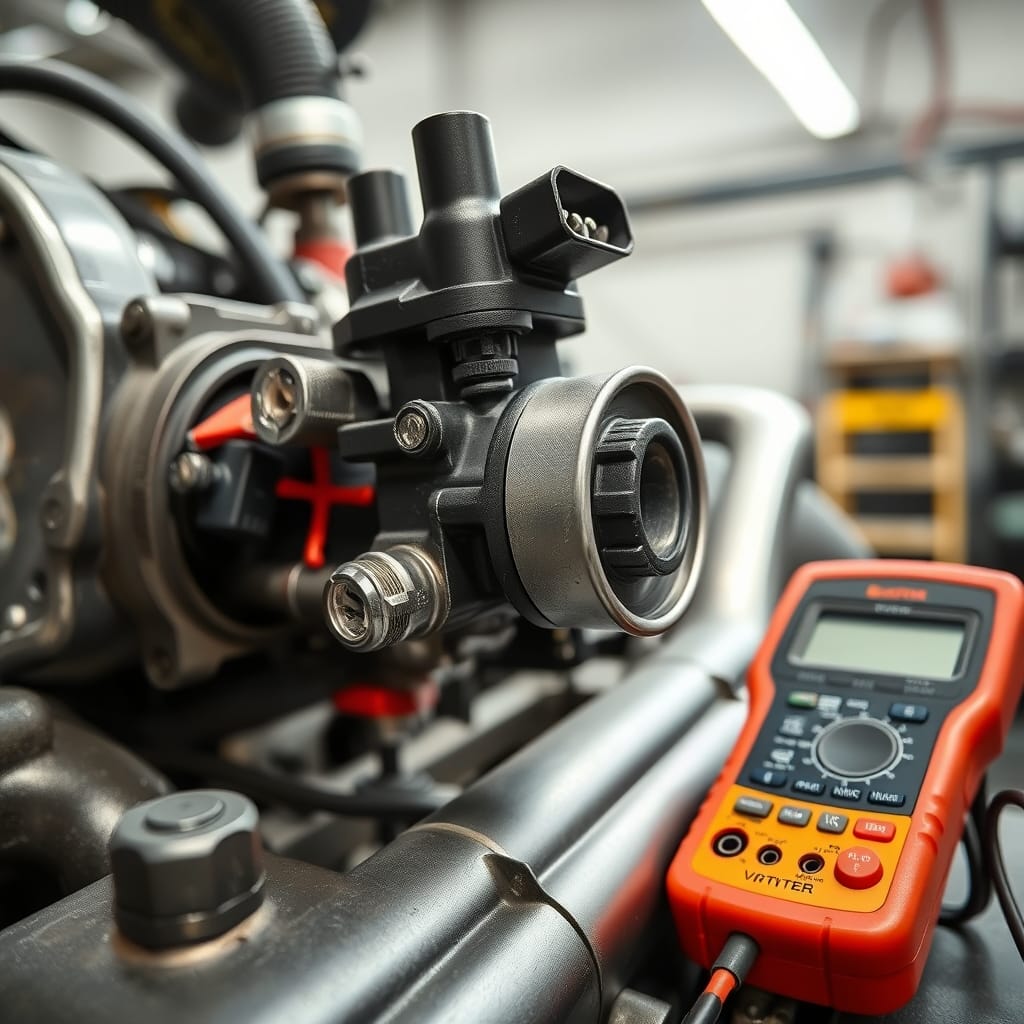
Inspect the oil control valve/VVT solenoid, wiring, connectors, and related circuits. Perform electrical and functional tests according to vehicle-specific service information. If appropriate, verify that oil passages and oil supply to the system are not restricted.
Evaluate Mechanical Timing if Needed
If the electrical and oil-control checks do not explain the fault, or scan data suggests a mechanical timing problem, inspect camshaft timing, the timing chain and related components, and camshaft phaser operation using the manufacturer’s diagnostic procedures.
Confirm the Cause Before Repair
Do not replace the VVT solenoid, camshaft phaser, timing components, or sensors based on P0014 alone. Use the test results to identify the actual fault before making repairs.
Repair Options After Diagnosis
Repairs should address the fault confirmed during diagnosis rather than the P0014 code itself.
Correct Oil-Related Problems
If testing identifies an incorrect oil level, unsuitable oil viscosity or specification, contaminated oil, or restricted oil flow, correct the problem according to the vehicle manufacturer’s requirements. An oil change alone should not be assumed to fix P0014 unless the diagnosis supports an oil-related cause.
Repair VVT or Electrical Faults
If testing confirms a faulty oil control valve/VVT solenoid, damaged wiring, poor electrical connections, or another control-circuit problem, repair or replace the affected component as appropriate. A camshaft phaser should be replaced only when diagnosis confirms that it is not operating correctly.
Correct Mechanical Timing Problems
If mechanical testing confirms incorrect camshaft-to-crankshaft timing, a stretched timing chain, worn timing components, or another mechanical fault, repair the identified problem using the manufacturer’s timing procedures and specifications.
Verify the Repair
After completing the repair, clear the trouble codes when appropriate and operate the engine under suitable conditions. Use scan data when available to confirm that commanded and actual camshaft operation are responding correctly and verify that P0014 does not return.
How to Confirm Successful Repairs
Clear Codes and Verify Operation
After completing the confirmed repair, clear the trouble codes when appropriate and operate the vehicle under suitable conditions. Check that the P0014 code does not return and that any previous drivability symptoms have been resolved.
Review Camshaft Timing Data
When supported by the scan tool and vehicle, review commanded and actual camshaft timing or position data to confirm that the Bank 1 “B” camshaft responds correctly. Also check for related trouble codes that could indicate an unresolved VVT, electrical, oil-control, or mechanical timing problem.
If P0014 returns, continue diagnosis rather than replacing additional components without supporting test results.
Safety Considerations for Diagnosing and Repairing P0014
When diagnosing P0014, use caution around hot engine components, moving belts, pulleys, fans, and other rotating parts. If the vehicle must be raised, support it correctly using approved lifting points and suitable equipment. Some diagnostic procedures may require the engine to run, so keep hands, clothing, tools, and test leads away from moving components. Mechanical timing repairs can cause serious engine damage if performed incorrectly; follow vehicle-specific service procedures and seek professional assistance if the required testing or repair is beyond your equipment or experience.
Frequently Asked Questions
What does the P0014 code mean?
Whether the vehicle can be driven depends on the severity of the symptoms and the underlying cause. If the engine runs very poorly, stalls, makes unusual mechanical noises, or shows signs of low oil pressure, avoid continued driving and have the vehicle diagnosed. Even with mild symptoms, P0014 should be investigated rather than ignored.
What are the common symptoms of a P0014 code?
Common symptoms include a check engine light activation, impaired engine performance, and decreased fuel efficiency.
Can I still drive my vehicle with a P0014 code?
Whether the vehicle can be driven depends on the severity of the symptoms and the underlying cause. If the engine runs very poorly, stalls, makes unusual mechanical noises, or shows signs of low oil pressure, avoid continued driving and have the vehicle diagnosed. Even with mild symptoms, P0014 should be investigated rather than ignored.
How is the P0014 code diagnosed?
Diagnosis involves verifying the complaint, inspecting for visible oil-related issues, scanning codes, and testing relevant systems and components such as the VVT solenoid and camshaft phasers.
What causes the P0014 code?
Possible causes include incorrect or contaminated engine oil, restricted oil flow, a faulty or sticking oil control valve/VVT solenoid, wiring or circuit faults, camshaft phaser problems, and mechanical timing issues. Testing is required because P0014 alone does not identify which component has failed.
How do I verify a successful repair for the P0014 code?
Verification includes clearing the trouble codes after repairs, test driving the vehicle, and monitoring the engine’s performance to ensure the issue is resolved.
Final Checks
The P0014 code indicates that the Bank 1 “B” camshaft timing is more advanced than expected or that the camshaft timing system is not performing as commanded. Possible causes range from oil condition and oil-flow problems to VVT control faults, electrical issues, camshaft phaser problems, or mechanical timing faults. Because the code does not identify the failed component by itself, confirm the cause through appropriate testing before replacing parts. After repairs, verify correct camshaft operation and confirm that the P0014 code does not return.