
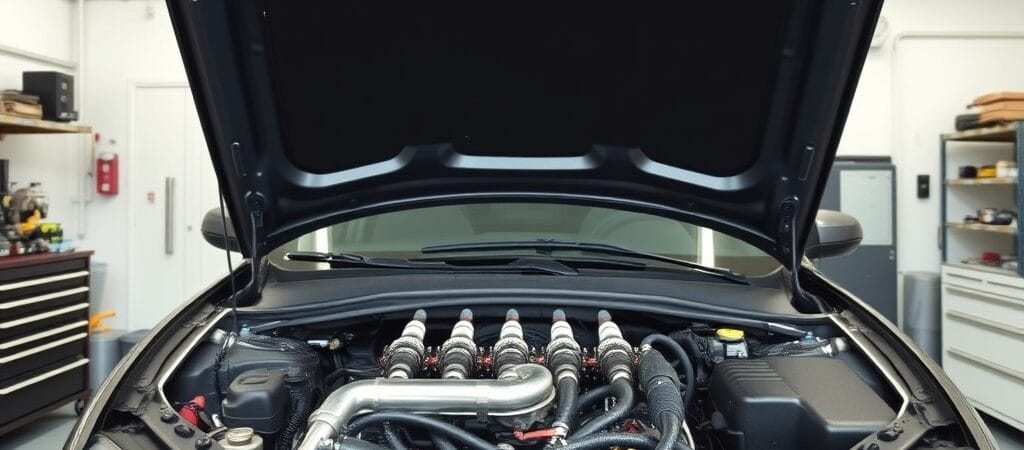
Experiencing engine performance issues and the check engine light is on? The P0300 code signifies a random or multiple cylinder misfire, indicating potential problems affecting fuel delivery, ignition, air intake, or mechanical engine problems. This article will help you understand the causes of the P0300 code, the severity of the issue, and the steps to diagnose and resolve it. Remember, multiple factors can produce similar symptoms, so thorough diagnosis is key to addressing the problem effectively.
What the P0300 Code Means
The P0300 code indicates a “random/multiple cylinder misfire detected.” This code alerts you that the engine control module (ECM) has detected misfires occurring across several cylinders, indicating that one or more faults may be affecting combustion, including ignition, fuel delivery, air intake, or mechanical engine conditions.
Impact of the P0300 Code on Driving Safety
The severity of a P0300 code depends on how severe and persistent the misfire is. A mild intermittent misfire may cause rough running or reduced performance, while a severe misfire can cause significant power loss, stalling, or catalytic-converter damage. If the check engine light is flashing, the engine is shaking severely, power is significantly reduced, or the vehicle is difficult to control safely, avoid continued driving and have the problem diagnosed promptly. A steady check engine light still requires diagnosis, but the P0300 code alone does not identify which component has failed.
Frequent Causes of the P0300 Code
To effectively diagnose the P0300 code, it’s important to recognize the common causes:
- Worn or Damaged Spark Plugs: Worn, fouled, or damaged spark plugs can weaken or interrupt combustion and contribute to misfires across one or more cylinders.
- Ignition System Faults: Failing ignition coils, damaged plug wires where fitted, or poor electrical connections can prevent the spark from reaching the cylinder reliably.
- Fuel Delivery Problems: Low fuel pressure, restricted fuel flow, or injector problems can cause a lean condition or uneven fuel delivery and contribute to multiple-cylinder misfires.
- Vacuum or Intake Air Leaks: Unmetered air entering the engine can disturb the air-fuel mixture and cause misfires, especially when the leak affects several cylinders.
- Mechanical or Timing Problems: Low compression, valve-train problems, or incorrect camshaft/crankshaft timing can also cause multiple-cylinder misfires.
Steps to Diagnose the P0300 Code
A systematic approach is essential to diagnosing the P0300 code.
Initial Inspections
Start by confirming the complaint. Check if the check engine light is on and note any symptoms reported by the driver, such as rough idling or poor acceleration. Look for evident issues:
- Inspect spark plugs and ignition wires for visible damage.
- Examine vacuum hoses for cracks or disconnections.
- Look for obvious fuel-system damage or leaks, and investigate fuel delivery further if other evidence points in that direction.
Step-by-Step Diagnostic Procedures
- Use a Scan Tool: Confirm the P0300 code and check for any additional trouble codes that may help identify the affected system or cylinders.
- Review Freeze Frame and Misfire Data: Check the operating conditions present when the code was set, such as engine speed, load, and temperature. If the scan tool provides cylinder misfire counters, review them to see whether the misfire is concentrated on particular cylinders or spread across several.
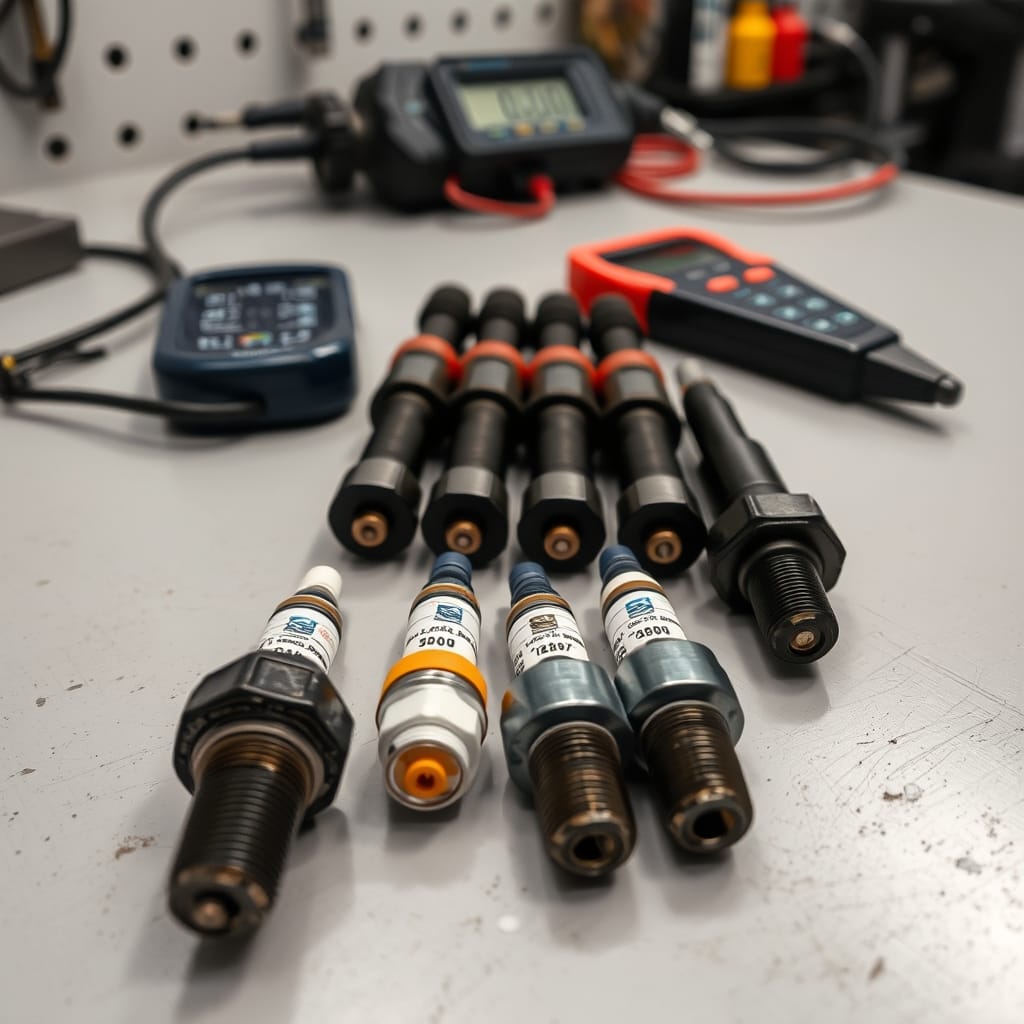
- Inspect Ignition Components: Check spark plugs, ignition coils, wiring, and related electrical connections for wear, damage, contamination, or poor connections.
- Check Fuel Delivery: If fuel delivery is suspected, test fuel pressure and other relevant fuel-system values using the appropriate procedure and compare the results with vehicle-specific specifications.
- Check for Intake or Vacuum Leaks: Inspect hoses, intake connections, and gaskets for obvious leaks. A smoke test is a safer and more reliable method for locating many intake leaks when the proper equipment is available.
- Evaluate Mechanical Condition: If ignition and fuel checks do not explain the misfire, perform compression, leak-down, or other appropriate mechanical tests to identify cylinder sealing or timing-related problems.
- Confirm the Cause Before Repair: Do not replace components based on P0300 alone. Use test results to identify the actual fault, repair the confirmed cause, clear codes when appropriate, and verify that the misfire does not return.
Repair Options for the P0300 Code
After testing identifies the cause of the P0300 misfire, repair the confirmed fault rather than replacing parts based on the code alone. Depending on the diagnosis, repairs may include:
- Replacing worn, fouled, or damaged spark plugs when inspection or testing confirms they are contributing to the misfire.
- Repairing ignition wiring or connections, or replacing an ignition coil when testing confirms an ignition fault.
- Repairing intake or vacuum leaks that have been located during diagnosis.
- Repairing fuel-delivery problems, such as an injector fault or inadequate fuel pressure, only after appropriate testing identifies the problem.
- Correcting mechanical or valve-timing problems when compression, leak-down, timing, or other relevant tests confirm them.
After the repair, clear the trouble codes when appropriate, operate the engine under suitable conditions, and verify with scan data that the misfire has been resolved and the P0300 code does not return.
Avoiding Diagnostic Mistakes for the P0300 Code
Be mindful of common pitfalls during the diagnostic process:
- Jumping to Conclusions: Avoid assuming the problem lies with a single component without thorough inspection.
- Ignoring Related Codes: Other stored codes can provide valuable insights into the cause of the misfires.
- Neglecting Basic Inspections: Always start with fundamental checks before moving to complex diagnostics.
- Replacing Parts Without Evidence: Do not replace components unless diagnostics indicate they are defective.
Preventative Measures to Avoid P0300 Issues
To minimize the chances of encountering a P0300 code in the future, consider these preventative measures:
- Regular Maintenance: Follow the recommended service intervals for spark plugs, fuel filters, and air filters.
- **Address Engine Problems Early**: Rough running, hard starting, or recurring misfire symptoms should be diagnosed before they develop into more serious drivability problems.
- Engine Component Inspections: Regularly check serviceable parts to catch wear before it causes significant issues.
- Stay Alert for Symptoms: Be attentive to any changes in engine performance and address them promptly.
When to Consult a Professional for P0300
If initial diagnostic efforts do not reveal a clear cause for the P0300 code, or if the necessary repairs exceed your skill level, seeking professional assistance is advisable. A certified technician can provide the tools, knowledge, and experience to ensure an accurate diagnosis and effective repair, helping your vehicle run smoothly and safely.
Frequently Asked Questions
What does the P0300 code mean?
The P0300 code indicates a random or multiple-cylinder misfire detected by the engine computer.
Is it safe to drive with a P0300 code?
It can be unsafe, especially if the check engine light is flashing or if performance is severely affected.
What are some common causes of the P0300 code?
Common causes include ignition faults, fuel-delivery problems, intake or vacuum leaks, and mechanical or timing-related engine problems. The code itself does not identify the failed component.
How do I diagnose the P0300 code?
Start with checking the check engine light status, record any related codes, and inspect ignition components.
What should I do if the P0300 code persists?
If unresolved, consider consulting a professional mechanic for a thorough diagnosis.
Final Checks
Understanding the P0300 code is crucial for diagnosing engine performance issues. Ensure to verify the actual cause before replacing any components. If the symptoms pose a safety risk or if you’re unsure about the diagnostic process, seeking professional help is advisable. Always confirm that repairs have effectively resolved the symptoms and that the vehicle operates safely.