
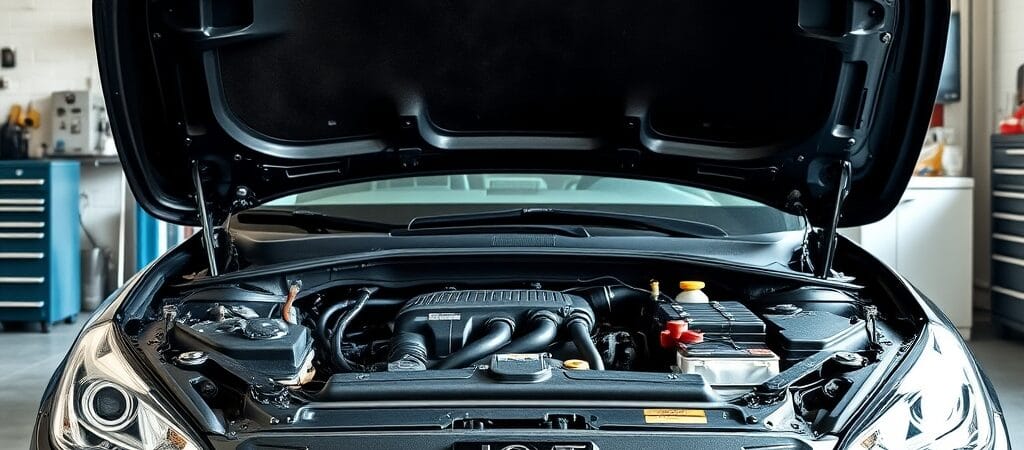
If you’re encountering a P0301 code, it indicates that a misfire is occurring in cylinder 1 of your engine. This misfire can cause performance issues, reduced fuel efficiency, and could even lead to engine damage. In this article, we’ll explain what the P0301 code means, common causes for it, and how to properly diagnose and resolve the issue. With multiple factors possibly causing similar symptoms, it’s essential to understand the various components at play.
What the P0301 Code Means
The P0301 code is an OBD-II diagnostic trouble code that indicates a misfire in cylinder 1 of the engine. This code suggests that the engine control module (ECM) has detected an issue with the combustion process in this cylinder. Each cylinder should provide consistent power output, and a misfire can reduce performance, increase emissions, and potentially cause engine damage if not addressed.
Implications of the P0301 Code
When the P0301 code is triggered, it indicates that the ECM has noted a discrepancy between the crankshaft position sensor data and the expected performance of cylinder 1. This may lead to poor fuel efficiency, rough idling, or stalling. Understanding the P0301 code is important for diagnosing the underlying cause of the misfire and addressing any related issues.
Impact of P0301 on Driving Safety
A P0301 code signifies an engine misfire that could result in safety concerns if left unchecked.
Assessing Driving Safety
In certain situations, it may be safe to drive with a P0301 code, especially if the symptoms are minor and intermittent. However, it’s prudent to limit driving to avoid further damage to the engine or exhaust system. If the engine runs roughly, consider reducing travel until a diagnosis is made.
Indicators of a Serious Misfire
Be alert for signs that indicate a more serious misfire, including a flashing check engine light, reduced power, poor fuel economy, thick exhaust smoke, or unusual engine noises. Ignoring these symptoms can lead to more significant engine problems, including potential long-term damage.
Possible Causes of the P0301 Misfire Code
Several factors can contribute to a P0301 misfire, and understanding these can aid in troubleshooting.
Ignition System Issues
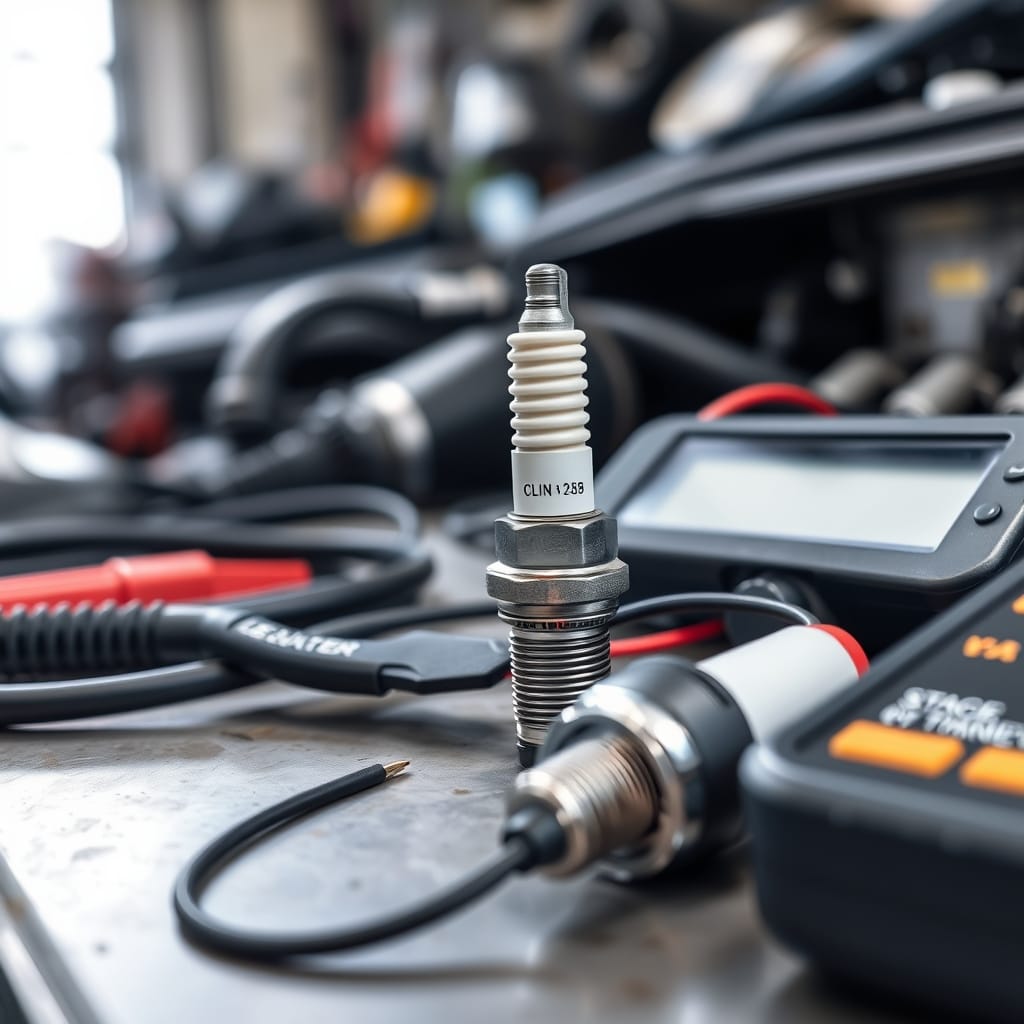
Ignition system problems are among the most common causes of a misfire code. Issues with spark plugs, such as wear, incorrect gap, or damage, can prevent proper ignition of the air-fuel mixture in cylinder 1. Additionally, faults in ignition coils or wiring can result in weak or inconsistent spark delivery.
Fuel Injector Malfunctions
A faulty fuel injector can prevent sufficient fuel from reaching cylinder 1. Clogged or defective injectors can disrupt the necessary air-fuel mixture for optimal combustion, resulting in a misfire. Inspecting the injector’s function and flow is crucial for ensuring it delivers the correct amount of fuel.
Mechanical Engine Issues
Mechanical problems such as low compression, a blown head gasket, or valve issues can also trigger a P0301 code. These issues can interfere with the internal processes that enable proper combustion, leading to a misfire. Any mechanical concerns should be carefully assessed.
Diagnosing the P0301 Code: A Step-by-Step Approach
Diagnosing a P0301 code involves a systematic method to accurately identify the underlying cause.
Initial Inspection and Observations
Begin by verifying the vehicle’s complaint. Look for visible issues such as damaged wiring, loose connections, or corroded components around the ignition system, fuel injector, and cylinder 1. A physical inspection of these areas can often uncover common problems.
Component Testing and Signal Evaluation
Next, perform tests on the spark plug, ignition coil, and fuel injector for cylinder 1. Use a multimeter to check resistance values and assess the injector’s pulse. If feasible, conduct a compression test to evaluate cylinder pressure.
Data Analysis and Final Verification
After performing the necessary tests, analyze any data retrieved using an OBD-II scanner. Review freeze frame data to determine when the misfire occurs (e.g., during acceleration or idling). This information is critical for confirming the actual cause of the P0301 code.
Repair Strategies for the P0301 Code
Once the diagnostic steps are complete, you’ll gain insight into the issue and can explore repair strategies.
Replacing Defective Components
If ignition components like spark plugs or ignition coils are identified as problematic, their replacement is typically straightforward. Ensure that you select parts compatible with your vehicle’s specifications. When relevant, consider using higher-quality spark plugs to improve ignition performance.
Addressing Mechanical Issues
If diagnostics reveal mechanical problems such as low compression, repairs may be more involved. Potential repairs could include replacing head gaskets, fixing valves, or addressing piston ring wear. These repairs should be approached carefully and may require professional expertise.
Avoiding Common Diagnostic Errors
A methodical approach to diagnosing the P0301 code is essential to prevent unnecessary part replacements.
Evaluating Misfires Before Component Replacement
A common mistake is assuming that a single misfire code necessitates immediate replacement of a spark plug or ignition coil. Always confirm the underlying issue: misfires can arise from fuel problems, electronic malfunctions, or mechanical defects. Make sure to examine all potential causes rather than replacing parts without adequate assessment.
Preventative Measures for P0301 Issues
Implementing preventative measures can help you avoid the complications of diagnosing and repairing a P0301 code.
Best Practices for Regular Maintenance
Maintain your vehicle according to a regular maintenance schedule, including timely oil changes, spark plug replacements, and inspections of the ignition system and fuel injectors. Keeping these systems in optimal condition can help reduce the likelihood of misfires and ensure smooth vehicle operation.
When to Consult a Professional for P0301
Some situations may necessitate the expertise of a qualified technician.
Complex Repairs and Diagnoses
If the misfire persists after basic troubleshooting, and you suspect mechanical issues, it is wise to seek professional diagnosis. Complex engine repairs often require specialized tools and knowledge that may be beyond typical DIY skills. A trained technician can perform comprehensive diagnostics to ensure effective and safe resolution of any issues.
Frequently Asked Questions
What does the P0301 code mean?
It indicates a misfire in cylinder 1.
Is it safe to drive with a P0301?
Mild misfires may allow cautious driving; severe misfires should be addressed immediately.
Can spark plugs cause a P0301 code?
Yes, worn or fouled spark plugs are a common cause.
How do I diagnose a P0301 code?
Start with inspecting the spark plug and ignition coil, then test fuel injectors and check for vacuum leaks.
What should I do if the P0301 code returns?
Further diagnosis is needed, as the initial repair may not have addressed the root cause.
Final Checks
In summary, a P0301 code reflects a misfire in cylinder 1, which can lead to several performance issues. It’s vital to accurately diagnose the root cause before deciding on repairs. If you’re unsure or if the misfire poses safety risks, consider consulting a professional technician. After any repair, ensure the original symptom has been resolved to confirm that the issue has been properly addressed.