
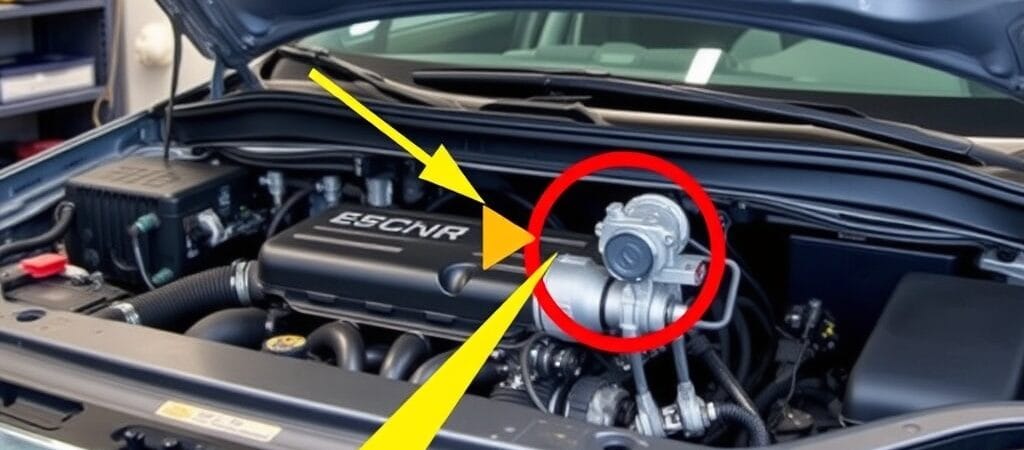
P0401 means “Exhaust Gas Recirculation (EGR) Flow Insufficient Detected.” It indicates that the engine control module (ECM/PCM) has determined that expected EGR flow was not detected under the conditions in which the system is monitored. Depending on the vehicle, EGR flow may be evaluated using pressure, temperature, airflow, manifold-pressure, valve-position, or other sensor information. P0401 identifies an insufficient-flow condition; it does not by itself prove that the EGR valve or another individual component has failed.
P0401 Code Overview
What the P0401 Code Means
The P0401 code means “Exhaust Gas Recirculation (EGR) Flow Insufficient Detected.” The ECM/PCM has determined that the expected EGR-system response or flow was insufficient during the conditions in which the system was monitored. How this is detected varies by vehicle design. The code identifies an EGR-flow problem but does not determine whether the cause is a restricted passage, EGR valve problem, vacuum or electrical control fault, sensor issue, or another system fault.
The Role of EGR Flow in Engine Functionality
The EGR system introduces a controlled amount of exhaust gas into the intake under certain operating conditions to help reduce combustion temperatures and nitrogen oxide (NOx) emissions. The design and operating strategy vary by engine. Insufficient EGR flow can increase NOx emissions and may cause drivability symptoms on some vehicles, but noticeable performance or fuel-economy changes are not present in every P0401 case.
Signs of a P0401 Code
Typical Symptoms of Insufficient EGR Flow
Some vehicles with P0401 may have few noticeable symptoms other than an illuminated check engine light. Depending on the engine and underlying cause, possible symptoms can include:
- Illuminated check engine light
- Engine pinging or spark knock under some operating conditions
- Rough running, hesitation, or other drivability changes on some vehicles
- Failed emissions testing where applicable
These symptoms are not specific to P0401 and should be treated as diagnostic clues rather than proof of an EGR-system component failure.
Impact of Symptoms on Vehicle Performance
The effect of P0401 varies significantly by vehicle and underlying cause. Some vehicles may continue to run normally while storing the code, whereas others may develop drivability problems. Evaluate actual symptoms, related trouble codes, and diagnostic data rather than assuming that P0401 will always reduce engine performance or fuel economy.
Causes of the P0401 Code
Clogged EGR Pathways
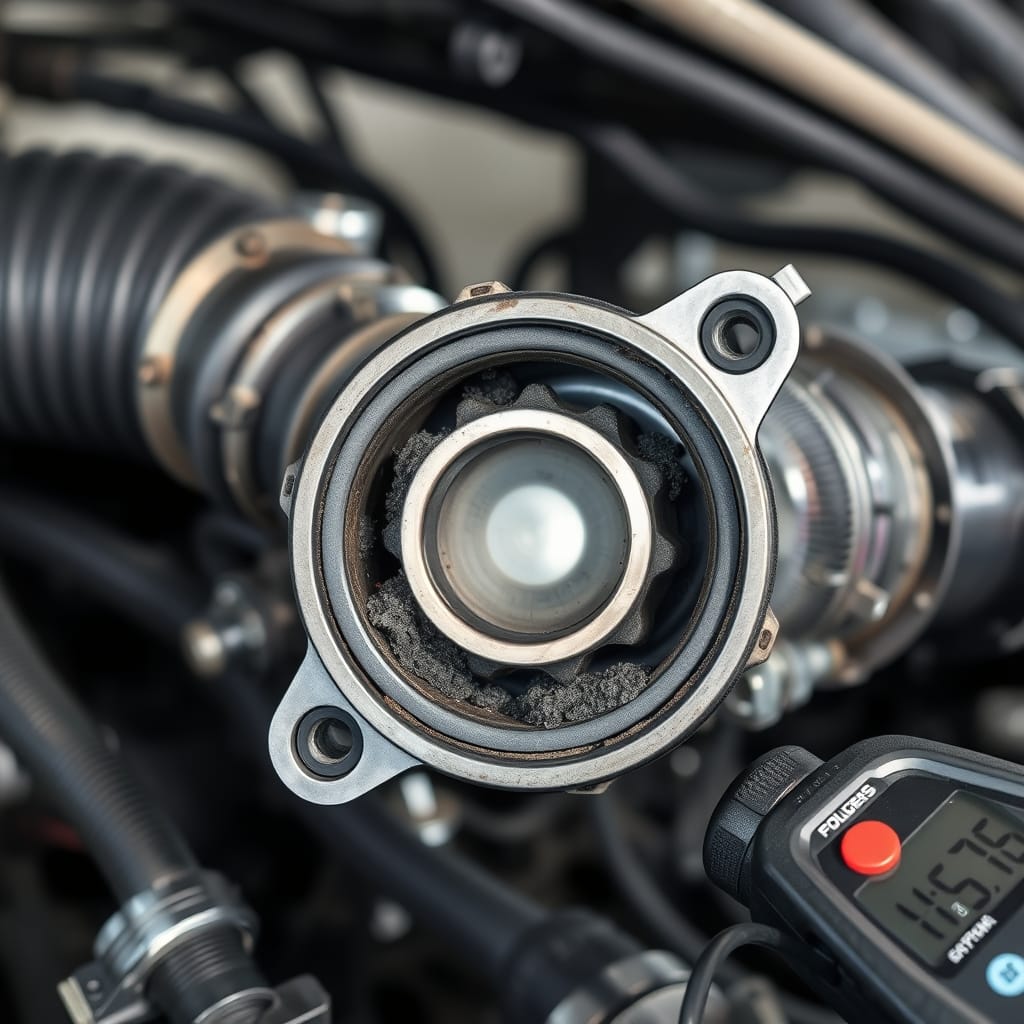
Restricted EGR passages are one possible cause of P0401. Carbon deposits can reduce exhaust-gas flow through passages in the intake, cylinder head, EGR valve assembly, cooler, or related components depending on the engine design. Inspect the actual EGR flow path before assuming carbon buildup is responsible. A restriction can contribute to insufficient EGR flow, but P0401 alone does not confirm where the restriction is located.
EGR Valve or Control Problems
An EGR valve that does not open as commanded can contribute to insufficient EGR flow. The cause may be mechanical sticking, contamination, a vacuum-control problem on applicable systems, an electrical actuator or circuit fault, or another control issue. Test valve command and response using the procedure specified for the vehicle rather than assuming the valve itself has failed.
Electrical and Sensor Issues Affecting EGR
Wiring faults, poor connections, damaged vacuum-control components where applicable, or inaccurate sensor information can interfere with EGR operation or with the ECM/PCM’s ability to determine EGR flow. Depending on the vehicle, diagnosis may involve EGR position, pressure, temperature, airflow, manifold-pressure, or other relevant data. Identify how the specific vehicle monitors EGR flow before testing individual sensors or circuits.
Steps to Diagnose the P0401 Code
Confirming Symptoms and Complaints
Confirm P0401 with a scan tool and document the conditions under which it was stored. Check for related EGR, airflow, manifold-pressure, temperature, electrical, or other trouble codes that may provide additional diagnostic direction. Review freeze-frame information before clearing codes.
If you need help interpreting trouble codes and freeze-frame information, see our How to Read OBD2 Codes: A Step-by-Step Diagnostic Guide.
Visual Inspection for Issues
Identify the EGR-system design and inspect accessible hoses, wiring, connectors, vacuum lines where applicable, EGR passages, and related components for obvious damage, disconnection, contamination, or restriction. Do not assume visible carbon on the EGR valve proves that it is the cause of P0401.
Utilizing OBD-II Scan Tools for Diagnostics
Use an OBD-II scan tool to retrieve stored diagnostic trouble codes. Pay close attention to freeze-frame data, which offers valuable snapshots of the vehicle’s conditions when the code was triggered. Look for any additional codes that may indicate related issues, as multiple codes can sometimes arise from underlying problems in the same system.
Where supported, review relevant live data and compare EGR command with the sensor or engine response used by that vehicle to monitor EGR flow. The useful parameters vary by system design, so use manufacturer-specific diagnostic information to determine what response should occur.
Testing Before Repairs
Assessing EGR System Operation
Test the EGR system using the manufacturer-specified procedure. Depending on the design, this may involve commanding the EGR valve with a capable scan tool, testing a vacuum-operated valve and its control system, evaluating actuator circuits, checking pressure or temperature response, or monitoring changes in airflow or manifold pressure. Do not apply power, ground, or vacuum directly to a component unless the vehicle-specific diagnostic procedure specifies how to do so.
Checking Vacuum Supply and Electrical Connections
Check vacuum supply and control components on systems that use vacuum-operated EGR, and inspect electrical circuits and connectors on electronically controlled systems. Because EGR designs vary considerably, perform circuit, actuator, and sensor tests according to vehicle-specific service information rather than applying one generic test to every system.
Post-Diagnosis Repair Options
Cleaning vs. Replacing EGR Components
If diagnosis confirms restricted EGR passages or contamination that can be serviced according to the manufacturer’s procedure, cleaning may restore proper flow. If testing confirms a failed valve, actuator, sensor, damaged wiring, vacuum-control component, cooler, or another EGR-system component, repair or replace the confirmed fault as appropriate. Do not clean or replace the EGR valve solely because P0401 is stored.
Addressing ECM and Software Updates
Software updates or control-module faults should only be considered when vehicle-specific service information, technical service information, or diagnostic testing supports that direction. Do not reprogram or replace the ECM/PCM before verifying EGR flow, relevant sensors, circuits, control components, and other likely causes.
Verifying Repairs and System Function
Verify EGR Operation After Repair
After repairing the confirmed cause, clear the trouble codes when appropriate and operate the vehicle under the conditions required for the EGR monitor to run. Where available, review relevant scan data to confirm that EGR command and system response are plausible.
Confirm the Code Does Not Return
Re-scan the relevant control modules after verification. Confirm that P0401 and related codes do not return and that previous symptoms, if any, are resolved. A code that remains cleared immediately after repair is not by itself proof of a successful repair if the EGR monitor has not yet completed.
Safety Considerations When Diagnosing P0401
EGR components and nearby exhaust parts can become extremely hot. Allow the engine and exhaust system to cool before handling EGR valves, pipes, coolers, or related components unless a diagnostic procedure specifically requires the engine to operate. Keep hands, clothing, tools, and test leads away from belts, fans, and other moving parts during running-engine tests. Follow vehicle-specific procedures when testing electrical, vacuum, or electronically controlled EGR components.
Frequently Asked Questions
What does the P0401 code mean?
P0401 means “Exhaust Gas Recirculation (EGR) Flow Insufficient Detected.” It indicates that the ECM/PCM did not detect the expected EGR flow or system response under monitored conditions. It does not identify the failed component by itself.
What commonly causes the P0401 code?
Possible causes include restricted EGR passages, an EGR valve or actuator that does not operate correctly, vacuum-control faults on applicable systems, damaged wiring or connectors, inaccurate sensor information, or other problems affecting EGR flow or its monitoring. The exact causes depend on the vehicle’s EGR-system design.
Can I still drive my vehicle with a P0401 code?
Whether continued driving is appropriate depends on the symptoms and underlying fault. Some vehicles may show only a check engine light, while others may develop abnormal combustion or drivability symptoms. If the engine runs poorly, stalls, overheats, makes severe abnormal noises, or displays additional critical warnings, avoid continued driving until the problem is assessed.
How is the P0401 code diagnosed?
Diagnosis begins by confirming the code, checking related DTCs and freeze-frame data, identifying the vehicle’s EGR-system design, and inspecting accessible components and flow paths. Relevant live data and vehicle-specific tests can then be used to evaluate EGR command, flow response, sensors, vacuum or electrical controls, and restrictions before deciding which repair is necessary.
How can I fix a P0401 code?
Repair the fault confirmed by diagnosis. Depending on the vehicle, this may involve servicing a confirmed EGR restriction, repairing wiring or vacuum-control problems, or replacing a component that has failed testing. Do not automatically replace the EGR valve because P0401 is stored.
How do I verify that the repair was successful?
After repairing the confirmed fault, clear codes when appropriate and operate the vehicle under suitable conditions so the EGR monitor can run. Confirm plausible EGR-system operation with scan data where available, verify that previous symptoms are resolved, and make sure P0401 does not return.
Final Checks
P0401 indicates that the ECM/PCM detected insufficient EGR flow or an insufficient EGR-system response under monitored conditions. The code does not identify the failed component. Depending on the vehicle, the cause may involve restricted passages, the EGR valve or actuator, vacuum or electrical controls, sensor information, or another part of the EGR system. Identify how the specific vehicle controls and monitors EGR flow, use scan data and targeted testing to confirm the cause, repair only the verified fault, and then confirm that the EGR monitor completes without P0401 returning.