
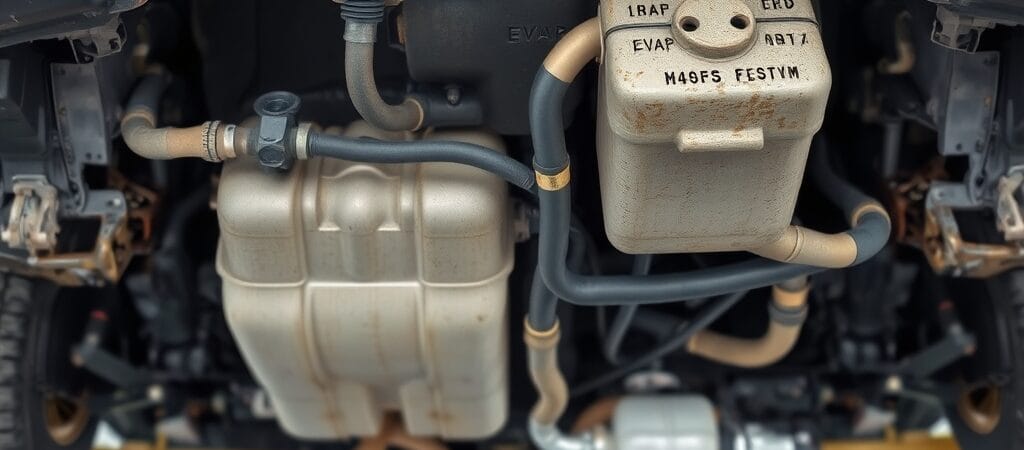
Is your Check Engine Light on and showing a P0455 code? This indicates a large leak in your vehicle’s Evaporative Emission Control (EVAP) system. Understanding the P0455 code, including its causes and symptoms, is crucial for effective troubleshooting. The article will help you diagnose the issues related to this code while emphasizing that multiple factors could trigger similar symptoms. By following the diagnostic approaches outlined herein, you can identify the possible problem areas without prematurely determining that a specific component has failed.
P0455 Code Overview
Definition of the P0455 Code
The P0455 code indicates a large leak in the Evaporative Emission Control (EVAP) system. Specifically, it signifies that the Engine Control Module (ECM) has detected an evaporative emission leak that exceeds the expected threshold. This can lead to increased hydrocarbon emissions and affect vehicle performance. However, it does not definitively confirm that any specific component has failed.
Significance of the EVAP System
The EVAP system is crucial for controlling harmful emissions from the fuel system. It captures fuel vapors from the fuel tank and routes them to the engine for combustion, preventing these vapors from escaping into the atmosphere. This system contributes to improved air quality and is essential for meeting environmental regulations.
Symptoms of the P0455 Code
Check Engine Light Activation
One of the first signs of a P0455 code is the activation of the Check Engine Light (CEL). While the CEL can illuminate for various reasons, its presence indicates that the ECM has identified a fault within the emissions system that requires investigation.
Impact on Fuel Efficiency and Emissions
A malfunction in the EVAP system can lead to decreased fuel efficiency and increased emissions. If a large leak is present, unburned fuel vapors may escape, causing the engine to compensate by consuming more fuel. This could also impact your ability to pass emissions tests.
Common Causes of the P0455 Code
Loose or Damaged Gas Cap
A loose or faulty gas cap is one of the most common triggers for the P0455 code. The gas cap seals the fuel tank and prevents vapors from escaping. If it is not properly tightened or has developed cracks, it can allow for vapor leakage.
Cracked or Damaged Hoses
Over time, hoses in the EVAP system can become cracked or damaged due to heat and environmental factors. These damaged hoses can create paths for fuel vapors to escape, which can trigger the P0455 code.
Faulty Purge Valve
The purge valve controls the flow of fuel vapors from the EVAP canister to the engine. If this valve is stuck open or closed, it can create pressure inconsistencies in the EVAP system, prompting the ECM to trigger the P0455 code.
Improper Refueling Practices
Overfilling the fuel tank during refueling can compromise the EVAP system. An overfilled tank may force fuel vapors into areas where they can escape, leading to a large leak condition detected by the ECM.
Other EVAP Component Issues
Additional components within the EVAP system, such as the charcoal canister or vent valve, may contribute to the P0455 code if they become clogged, damaged, or malfunctioning. It’s important to inspect these parts in conjunction with the previously mentioned causes.
Diagnostic Process for the P0455 Code
Confirming the Issue
Start by verifying the reported issues. Ensure the Check Engine Light is illuminated and assess any associated symptoms. This step helps confirm that you are diagnosing the correct problem.
Inspecting Obvious Causes
Begin diagnostics by checking the gas cap for tightness and signs of damage. A visual inspection can often reveal a minor issue that can be easily resolved.
Using an OBD-II Scanner
Utilize an OBD-II scanner to check for additional trouble codes and retrieve freeze-frame data. This information can provide insights into the conditions when the P0455 code was set, such as engine temperature and load, helping pinpoint potential issues.
Testing EVAP Components
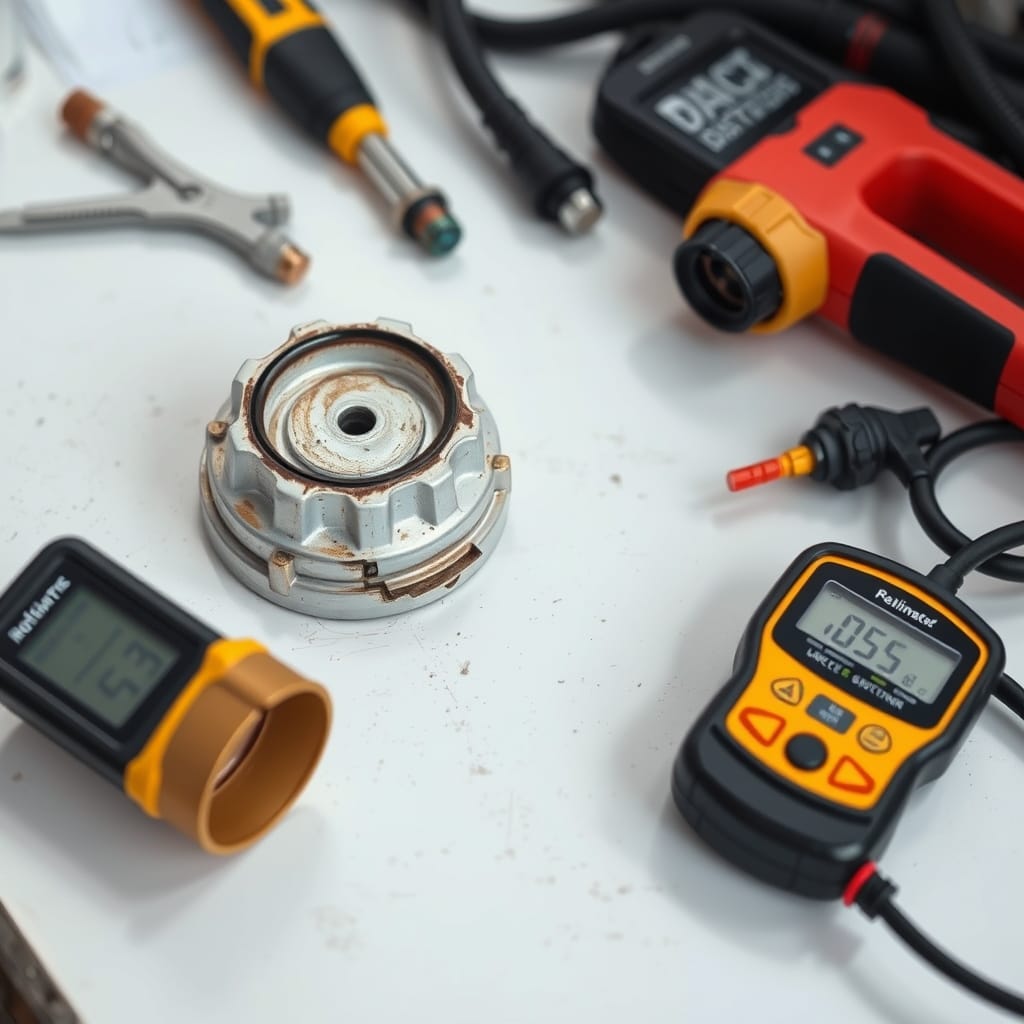
Next, test the EVAP components. This includes using a smoke machine to identify leaks in the system. Additionally, checking the purge valve’s operation with a multimeter can verify its functionality. If any areas show evidence of leaks or if components are not functioning correctly, further inspection or replacement may be necessary.
Repair Strategies for the P0455 Code
Typical Repairs and Replacements
Following the diagnostic process, common repairs may involve replacing a damaged gas cap, repairing or replacing cracked hoses, or addressing a malfunctioning purge valve. Each repair should correspond directly to the diagnostic findings.
Confirming Issues Before Repair
It’s essential to confirm faults before proceeding with repairs. Replacing components solely based on diagnostic trouble codes without supporting diagnostics can lead to unnecessary expenses and may not resolve the underlying issue. Systematic testing ensures you are addressing the root cause of the code.
Safety Precautions When Working with the EVAP System
General Safety Measures
Always adhere to general safety practices. Work in a well-ventilated area, particularly when handling fuel systems. Use proper personal protective equipment (PPE), such as gloves and safety glasses.
Caution with Fuel and Electrical Systems
Exercise caution when dealing with fuel components to avoid spills, and have a cleanup plan ready. Ensure that electrical connections are carefully managed to prevent short circuits or shocks.
Vehicle-Specific Guidelines for P0455 Code Diagnosis
Consulting Service Manuals
Refer to service manuals for vehicle-specific diagnostic procedures and specifications. These documents provide vital information tailored to each vehicle’s unique systems and may outline specific tests needed for accurate diagnostics.
Importance of Manufacturer-Specific Diagnostics
Manufacturer-specific procedures can vary significantly and may offer valuable insights when diagnosing issues related to the P0455 code. Following these guidelines can help ensure a thorough and accurate approach to identifying the problem within the EVAP system.
Frequently Asked Questions
What does the P0455 code indicate?
The P0455 code indicates a large leak in the Evaporative Emission Control (EVAP) system, which can lead to increased hydrocarbon emissions and may affect vehicle performance.
What are some common symptoms of a P0455 code?
The most common symptom associated with a P0455 code is the illumination of the Check Engine Light (CEL). Additional symptoms may include decreased fuel efficiency and increased emissions.
What are some common causes of a P0455 code?
Common causes of a P0455 code include a loose or faulty gas cap, cracked or damaged hoses in the EVAP system, a malfunctioning purge valve, improper refueling practices, and other EVAP component issues.
How should I diagnose a P0455 code?
Begin by verifying the Check Engine Light and associated symptoms. Inspect simple causes like the gas cap, scan for codes and data, and test EVAP components for leaks.
Why is it important to confirm faults before repairing?
Confirming faults before repairing is crucial to prevent unnecessary expenses and ensure the correct issue is addressed. Systematic testing helps identify the root cause of the P0455 code.
Final Checks
In summary, the P0455 code indicates a significant leak in the EVAP system, which requires careful diagnosis. Always confirm the underlying issue before replacing any components to avoid unnecessary costs. If the symptom poses a safety risk, consider seeking professional diagnostic services. Lastly, ensure that any repairs made effectively eliminate the P0455 code from reappearing.