
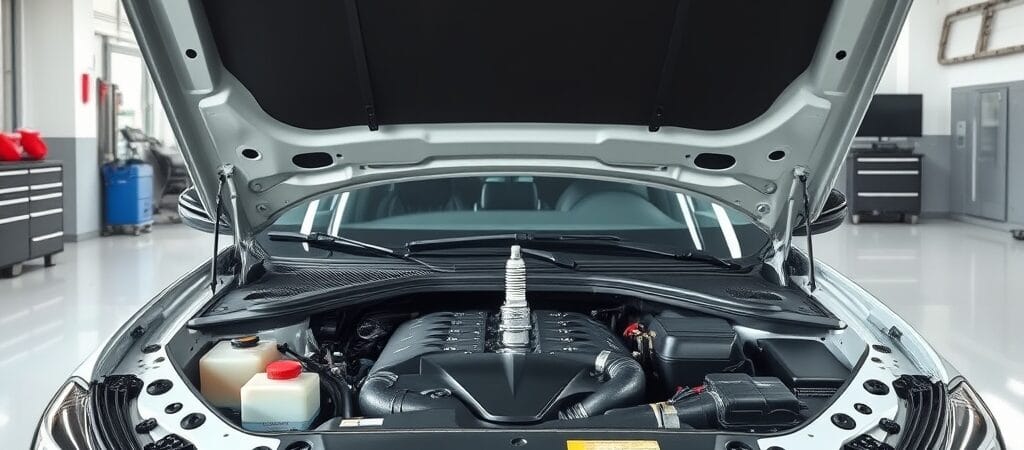
P0304 is an OBD-II diagnostic trouble code indicating that the powertrain control system detected a misfire associated with cylinder 4. The code identifies the affected cylinder but does not determine why the misfire occurred. Ignition, fuel delivery, air leaks, electrical faults, mechanical engine problems, and other conditions can produce the same code. Diagnose the cause before replacing spark plugs, ignition coils, injectors, or other components.
What Does the P0304 Code Mean?
P0304 means the vehicle’s onboard diagnostic system detected a misfire associated with cylinder 4. Misfire monitoring commonly uses changes in crankshaft rotational speed to identify abnormal combustion events, although the exact monitoring strategy varies by manufacturer and engine-management system.
P0304 tells you where the misfire was detected, not what component caused it. A spark plug, ignition coil, injector, wiring fault, intake leak, compression problem, or another condition may be responsible, so further diagnosis is required.
Common Symptoms of the P0304 Code
Symptoms depend on the severity and operating conditions of the misfire. Possible signs include:
- illuminated Check Engine light;
- rough or unstable idle;
- shaking or vibration while the engine is running;
- hesitation or reduced power during acceleration;
- increased fuel consumption;
- abnormal exhaust odor in some cases;
- few noticeable drivability symptoms if the misfire is intermittent.
A flashing Check Engine light can indicate a misfire severe enough to risk catalytic-converter damage. If the engine is running very poorly or the warning light is flashing, reduce load and arrange diagnosis rather than continuing normal driving.
Possible Causes of the P0304 Code
Diagnosing the P0304 code requires identifying the root cause of the misfire in cylinder four. Several potential causes may lead to this DTC.
Ignition-System Problems
A worn, fouled, damaged, incorrectly gapped, or otherwise unsuitable spark plug can contribute to a cylinder-specific misfire. An ignition coil, coil boot, wiring, connector, or other ignition component may also be involved depending on the vehicle.
Do not assume that the ignition coil has failed simply because P0304 identifies cylinder 4. Inspect and test the ignition system before replacing parts.
For additional ignition-coil diagnostic context, see our Bad Ignition Coil Symptoms guide.
Fuel-Delivery or Injector Problems
A restricted, electrically faulty, mechanically faulty, or poorly controlled injector for cylinder 4 can contribute to P0304. Injector wiring or connector faults should also be considered.
A broader fuel-pressure or fuel-supply problem can cause misfires, but it may affect multiple cylinders rather than cylinder 4 alone. Use the complete code pattern, fuel trims, operating conditions, and appropriate fuel-system testing to determine whether the problem is cylinder-specific or system-wide.
Intake or Vacuum Leaks
An intake leak affecting the area supplying cylinder 4 can create an abnormal air-fuel mixture and contribute to a cylinder-specific misfire. Inspect relevant intake-manifold sealing areas, vacuum connections, and related components when the symptom pattern or fuel-trim data supports this possibility.
Mechanical or Compression Problems
Low compression in cylinder 4 can result from valve problems, piston or ring damage, cylinder sealing problems, head-gasket leakage, incorrect mechanical timing, or other internal engine faults.
Compression or leak-down testing can help distinguish a mechanical problem from ignition or fuel-related causes when the earlier diagnostic evidence points in this direction.
How to Diagnose the P0304 Code
Effective diagnosis of the P0304 code provides critical insights into the cause of the misfire.
Verify the Code and Symptoms
Scan the vehicle before clearing codes. Confirm P0304 and record all additional stored or pending DTCs, freeze-frame information, and reported symptoms.
Determine whether the misfire occurs at idle, under load, during acceleration, when cold, after warm-up, or under another repeatable condition. The operating conditions can help determine which tests should come next.
Inspect Cylinder 4 and Related Components
Identify cylinder 4 using manufacturer-specific service information rather than assuming cylinder numbering. Inspect accessible ignition components, wiring, connectors, intake connections, and surrounding areas for damage, contamination, loose terminals, evidence of fluid intrusion, or recent repair work.
Compare cylinder 4 with other cylinders where appropriate, but do not replace components based on appearance alone.
Review Codes, Freeze-Frame Data, and Live Data
Check for additional cylinder-misfire codes, P0300, fuel-control codes, ignition or injector circuit codes, airflow-related codes, and other relevant DTCs. Review freeze-frame information and available misfire counters, fuel trims, load, engine speed, and other applicable data.
Companion codes can significantly change the diagnostic direction.
For help interpreting DTCs and diagnostic data, see our How to Read OBD2 Codes guide.
Perform Targeted Testing
Use the code pattern, freeze-frame data, symptom conditions, inspection results, and available scan data to determine which system should be tested.
Depending on the engine design and evidence, diagnosis may include:
- inspecting and testing the cylinder 4 spark plug and ignition system;
- comparing ignition operation with another cylinder when the manufacturer’s procedure allows it;
- checking injector command, electrical integrity, and fuel delivery using appropriate equipment;
- checking for intake leaks affecting cylinder 4;
- testing compression and, when necessary, cylinder leakage;
- investigating mechanical timing or valve-train operation when supported by the results.
Do not rely on universal ignition-coil or injector resistance specifications. Component design and acceptable measurements vary by vehicle. Use manufacturer-specific test procedures and specifications.
Repair Options After Diagnosing P0304
The same evidence-based approach applies to other cylinder-specific misfire codes. For comparison, see our P0301 Code guide for a cylinder 1 misfire.
Repair Only the Confirmed Cause
The correct repair depends on what testing identifies. Depending on the confirmed fault, repair may involve servicing an ignition component, injector or injector circuit, damaged wiring or connectors, an intake leak, or a mechanical engine problem.
Do not replace the cylinder 4 spark plug, ignition coil, injector, or other component solely because P0304 is stored.
If another problem caused the component failure—for example fluid contamination, an electrical fault, or a mechanical condition—correct that underlying cause as part of the repair.
How to Verify the Repair
After repairing the confirmed cause, reconnect all components correctly and clear DTCs when appropriate. Reproduce the operating conditions under which P0304 originally occurred or follow the manufacturer-specified verification procedure.
Confirm that the misfire is no longer present, relevant misfire data has returned to normal where available, the original drivability symptoms are resolved, and P0304 or related codes do not reset.
Safety Considerations When Diagnosing P0304
Keep hands, clothing, test leads, and tools away from belts, pulleys, cooling fans, and other moving components whenever the engine is running. Allow hot engine and exhaust components to cool before working nearby.
Ignition systems can generate high voltage, and fuel systems may remain pressurized after the engine is switched off. Follow manufacturer procedures and use appropriate equipment when testing these systems.
Battery disconnection is not required for every diagnostic procedure and may erase useful diagnostic data or create relearn requirements. Disconnect power only when the applicable service procedure requires it.
If the vehicle must be raised, use approved lifting points and properly rated support equipment; never work beneath a vehicle supported only by a jack.
Vehicle-Specific Considerations
Cylinder numbering, ignition design, injector control, misfire-monitoring strategy, electrical specifications, compression specifications, and diagnostic procedures vary by engine and manufacturer.
Confirm the location of cylinder 4 and use the correct wiring diagrams, specifications, and service procedures for the exact vehicle before performing tests or replacing components.
Frequently Asked Questions
What does the P0304 code mean?
P0304 means the vehicle’s onboard diagnostic system detected a misfire associated with cylinder 4. It identifies the affected cylinder but does not identify which component caused the misfire.
What are the common symptoms of a P0304 code?
Possible symptoms include a Check Engine light, rough idle, engine shaking, hesitation, reduced power, increased fuel consumption, or other drivability changes. An intermittent misfire may produce few noticeable symptoms.
What can cause the P0304 code?
Possible causes include spark-plug or ignition faults, injector or injector-circuit problems, an intake leak affecting cylinder 4, damaged wiring or connectors, low compression, valve-train or other mechanical problems, and less commonly a control-module fault. Testing is required to determine the actual cause.
How is the P0304 code diagnosed?
Confirm P0304 and record companion codes, freeze-frame information, and operating conditions. Identify cylinder 4 correctly, inspect related components and connections, review applicable scan data, and perform targeted ignition, fuel, intake, electrical, or mechanical testing based on the evidence.
Can I still drive my car with a P0304 code?
Driving risk depends on the severity of the misfire. A mild intermittent misfire still requires diagnosis, while severe shaking, substantial power loss, stalling, or a flashing Check Engine light is a reason to reduce load and avoid continued normal driving because an active severe misfire can damage the catalytic converter or make the vehicle unsafe to operate.
How can I verify the repair after addressing the P0304 code?
After repairing the confirmed cause, clear codes when appropriate and reproduce the original operating conditions or complete the manufacturer-specified verification procedure. Confirm that the misfire symptoms are gone and that P0304 and related codes do not return.
Final Checks
P0304 identifies a misfire associated with cylinder 4, but it does not prove that the spark plug, ignition coil, injector, or another particular component has failed. Record the operating conditions and companion codes, identify cylinder 4 correctly, inspect relevant systems, and perform targeted testing before replacing parts.
Repair only the confirmed cause and then reproduce the original conditions to verify that the misfire is resolved and P0304 does not return.