
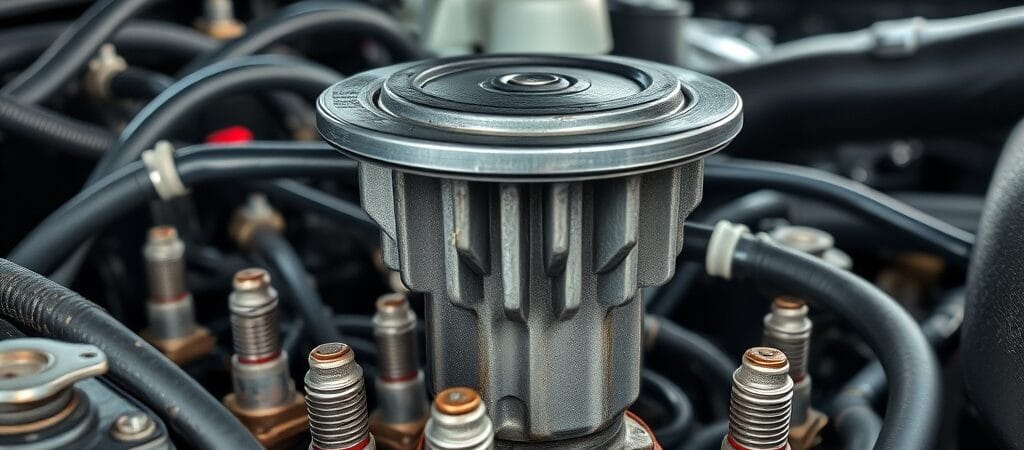
Bad ignition coil symptoms can significantly impact your vehicle’s performance. The ignition coil is essential for generating the spark needed to ignite the fuel-air mixture in a combustion engine. If you notice issues like engine misfires, rough idling, or difficulty starting, these could be signs of a failing ignition coil. Understanding these symptoms can help you address the problem before it leads to more extensive mechanical issues.
Bad Ignition Coil Symptoms
An ignition coil is a crucial component in your vehicle’s ignition system, responsible for converting battery voltage into the high voltage needed to ignite the fuel-air mixture in the engine. Knowing the bad ignition coil symptoms can help address issues before they worsen, maintaining vehicle performance and reliability.
Role of the Ignition Coil
The ignition coil generates the spark that ignites the air-fuel mixture in internal combustion engines. It plays a vital role in engine efficiency and performance. A failing ignition coil can lead to multiple operational problems, affecting the entire vehicle.
Common Issues Reported by Drivers
Drivers may notice various problems related to the ignition coil, including engine misfires, rough idling, and sudden loss of power. These symptoms can disrupt everyday driving and potentially lead to further mechanical complications if not addressed promptly.
Signs of a Failing Ignition Coil
Recognizing the specific signs of a failing ignition coil is essential for timely diagnosis and repair.
Engine Misfires and Hesitations
Engine misfires are a primary symptom of a bad ignition coil. This happens when the ignition coil fails to deliver adequate voltage to the spark plug, causing incomplete combustion. Drivers might experience hesitation during acceleration, indicating that the engine isn’t firing correctly.
Rough Idle Symptoms
A vehicle with a failing ignition coil may experience a rough or unstable idle. This instability often arises from an uneven voltage distribution to the cylinders, leading to fluctuations in engine RPMs while stationary.
Reduced Fuel Economy
A malfunctioning ignition coil can lead to poor combustion, resulting in reduced fuel efficiency. When the engine misfires, it consumes more fuel than necessary, contributing to increased operating costs over time.
Check Engine Light Activation
The Check Engine Light (CEL) may illuminate if the engine control module detects ignition coil issues. Investigating CEL events with a diagnostic scan tool can reveal stored trouble codes that may indicate ignition coil failure.
Hard Start or No Start Conditions
A bad ignition coil can result in difficulty starting the engine, or it might not start at all. If the coil fails to generate the necessary spark, the fuel-air mixture won’t ignite, leading to these starting problems.
Engine Stalling
Engine stalling may occur if the ignition coil fails intermittently. This can lead to sudden power losses, creating a hazardous situation while driving and negatively affecting overall engine performance.
Backfiring Sounds
Backfiring can occur due to delayed ignition from a faulty coil. When the timing is off, unburned fuel may ignite in the exhaust system, producing loud popping sounds, indicating the need for immediate attention to the ignition system.
Loss of Power During Acceleration
A failing ignition coil may cause noticeable power loss during acceleration. Drivers might feel a lack of responsiveness, making it difficult to maintain speed or accelerate smoothly.
How to Diagnose a Bad Ignition Coil
Effective diagnosis involves a structured approach to verify and investigate the symptoms associated with a bad ignition coil.
Verifying Driver Reports
Start by validating the driver’s concerns through observation. Pay attention to the specific symptoms they describe, unlocking clues that can guide your subsequent diagnostic steps.
Checking for Simple Causes
Before conducting more complex checks, inspect for simple causes of ignition coil failure, such as damaged wiring, loose connections, or corroded terminals. These visible issues may offer quick resolutions.
Scanning for OBD-II Trouble Codes
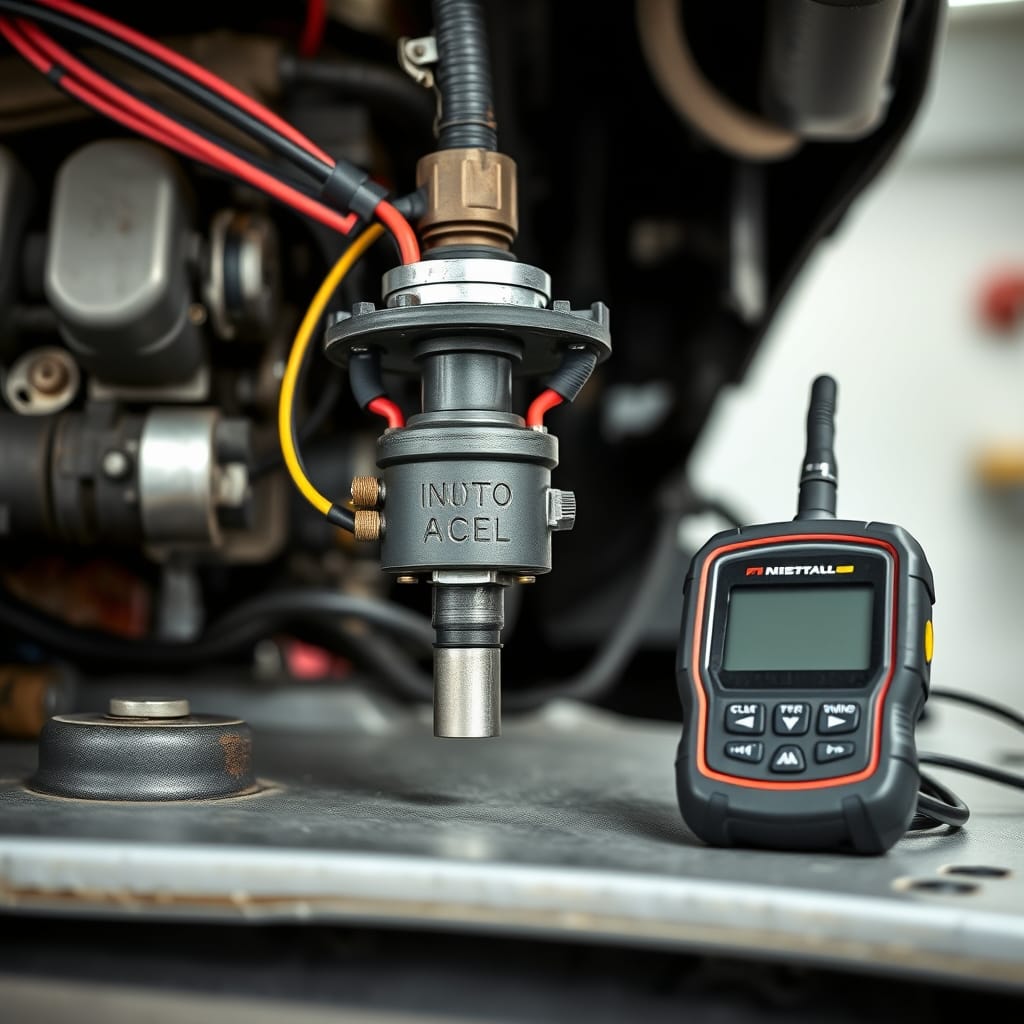
Use an OBD-II scanner to check for any stored trouble codes related to the ignition system. Codes such as P0300 (random/multiple cylinder misfire detected) can indicate ignition coil issues and assist in pinpointing the problem.
Testing Ignition Coils and Related Components
Conduct tests on the ignition coils and related components to assess their functionality. This may include measuring resistance or testing for proper voltage output. Compare results against vehicle-specific service data to ensure the coils are operating within acceptable parameters.
Common Causes of Ignition Coil Failure
Understanding the common causes of ignition coil failure can help diagnose and prevent future issues.
Aging Ignition Coils
Ignition coils can wear over time, losing efficiency. This natural aging process is often accelerated by high temperatures and engine vibrations. Proactively replacing aged coils can prevent symptoms from developing.
Impact of Worn Spark Plugs
Worn or faulty spark plugs can place excessive strain on ignition coils. If spark plugs do not provide a good ground, it may cause the coil to work harder, ultimately leading to premature failure.
Connection Issues and Electrical Failures
Corroded or loose electrical connections can interrupt current flow to the ignition coil. Regular checks of the ignition system’s wiring and connections can help rule out these common issues.
Environmental Damage
Exposure to heat, moisture, and dirt can adversely affect ignition coil performance. As ignition coils are often located in challenging environments, safeguarding them from excessive wear can extend their lifespan.
Consequences of Neglected Maintenance
Regular maintenance, including inspections of ignition components, can mitigate issues from neglected systems. Poor maintenance practices may lead to undetected coil failures and reduced vehicle performance.
Repairing Ignition Coil Problems
When bad ignition coil symptoms are confirmed, take appropriate steps for repair to restore vehicle function.
Repairing or Replacing Ignition Coils
The decision to repair or replace ignition coils should be based on diagnostic results. If tests confirm that a coil is defective, replacing it may be the most effective solution.
Replacing Ignition Coils in Sets
When replacing ignition coils, it’s advisable to replace them in sets, especially in vehicles with multiple coils. This helps ensure consistent performance across all cylinders and prevents recurrent issues.
Verifying Repairs
After repairs are made, verify that the issues have been resolved. This includes running the engine and rechecking for symptoms and any stored trouble codes.
Safety During Diagnosis and Repair
Ensuring safety while diagnosing or repairing ignition coils is crucial.
Following Safety Protocols
Always follow standard safety protocols, like wearing protective gear and ensuring the vehicle is secured on a flat surface. Disconnecting the battery may be necessary to prevent electrical shorts while working on the ignition system.
Handling Electrical Components Carefully
Be cautious when handling electrical components, such as ignition coils. Use insulated tools to prevent electric shock and avoid touching live circuits to ensure safety during diagnosis and repair.
Vehicle-Specific Considerations
Different vehicles may have unique requirements or characteristics affecting diagnostic and repair practices.
Variations in Make and Model
Ignition coil configurations can differ by make and model. Always consult vehicle-specific service information to ensure correct procedures and specifications.
Consulting Manufacturer Service Information
When in doubt, refer to manufacturer service documentation for valuable insights into ignition coil testing and replacement guidelines, ensuring the work is conducted accurately and effectively.
Frequently Asked Questions
What are the common symptoms of a bad ignition coil?
Common symptoms include engine misfires, rough idling, reduced fuel economy, hard starting or no start, and the illumination of the Check Engine Light.
How does a bad ignition coil affect performance?
A faulty ignition coil can cause incomplete combustion, leading to engine misfires and loss of power during acceleration.
Can I drive my vehicle with a bad ignition coil?
While you can drive with a bad ignition coil, it is not advisable as it can lead to more severe engine issues and safety risks.
How is a bad ignition coil diagnosed?
Diagnosis typically involves verifying symptoms, inspecting the ignition system, scanning for OBD-II trouble codes, and testing the ignition coils.
What causes ignition coil failure?
Common causes include aging coils, faulty spark plugs, connection issues, and environmental damage.
Should I replace one ignition coil or all of them?
It is generally recommended to replace ignition coils in sets to ensure consistent performance across all cylinders.
Final Checks
Recognizing bad ignition coil symptoms is crucial for maintaining your vehicle’s performance. Symptoms like misfires, rough idling, and difficulty starting can indicate issues that need timely diagnosis. Before replacing any components, it’s essential to properly diagnose the problem to avoid unnecessary repairs. If you’re unsure, consider consulting a professional mechanic to ensure accurate evaluation and appropriate repairs.