
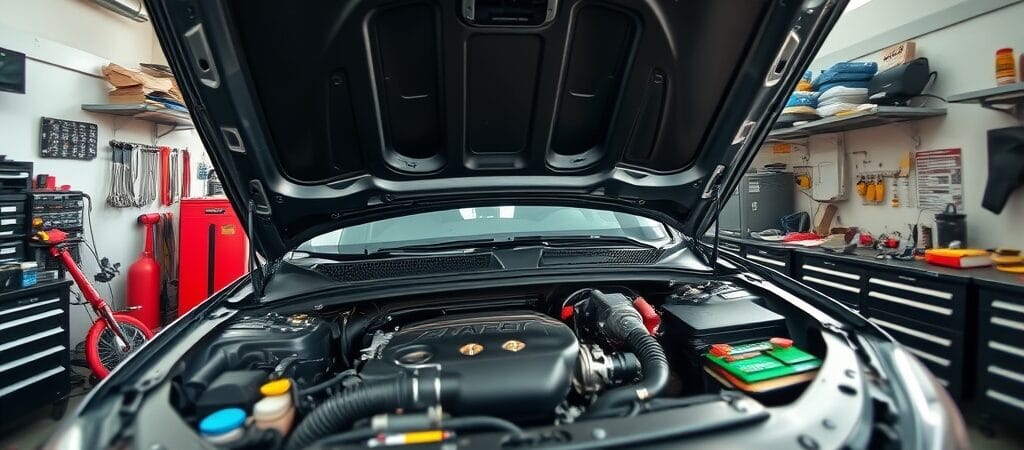
Bad starter symptoms can include a no-crank condition, clicking during a start attempt, slow cranking, or unusual noises. However, these symptoms do not confirm that the starter motor itself has failed. Battery condition, cable resistance, connections, relays, control circuits, security systems, and even mechanical engine problems can produce similar symptoms. A systematic diagnosis should confirm whether the starter is actually at fault before it is replaced.
Bad Starter Symptoms to Watch For
Starting-system problems can produce several recognizable symptoms, but none should be used alone to condemn the starter motor. Pay attention to exactly what happens when a start is requested—whether the engine does not crank, cranks slowly, produces a single click or repeated clicks, or makes an abnormal mechanical noise.
No Crank / No Start
If the engine does not crank when the key is turned or the start button is pressed, the starter circuit is one possibility, but the starter motor should not automatically be blamed. A discharged or weak battery, poor battery connections, excessive cable resistance, a faulty relay or control circuit, a park/neutral or clutch-interlock problem, an immobilizer issue, or a mechanically locked engine can produce a similar no-crank condition.
Clicking During a Start Attempt
A single click or repeated clicking during a start attempt can help narrow the diagnosis, but it does not confirm starter failure. Rapid repeated clicking often occurs when available voltage drops too far during the start attempt, which may result from a weak battery or high resistance in the battery connections or cables. A single click with no cranking can involve the starter or solenoid, but power supply, connections, control circuits, and engine mechanical condition should also be checked.
Slow Cranking
If the engine cranks noticeably slower than normal, the starter may be worn or drawing abnormal current, but battery condition and the high-current circuit should be checked first. A weak battery, excessive resistance in battery cables or connections, incorrect oil viscosity in very cold conditions, or excessive mechanical resistance in the engine can also produce slow cranking.
Grinding or Abnormal Mechanical Noises
Grinding during a start attempt may indicate improper engagement between the starter pinion and the engine’s ring gear or flexplate/flywheel teeth. Possible causes include starter-drive damage, mounting or alignment problems, or damaged ring-gear teeth. Because continued operation can increase mechanical damage, the source should be inspected before repeated starting attempts.
Dashboard Lights Work but the Engine Does Not Crank
If your dashboard lights work but the engine does not crank, the battery or starting circuit may still be unable to deliver enough current to crank the engine. Therefore, lights working normally do not rule out a weak battery, poor connections, excessive cable resistance, or other electrical faults. Diagnose the no-crank condition rather than assuming the starter has failed.
Smoke or Burning Odor During Starting
Smoke, an electrical burning odor, or visibly overheating wiring during a start attempt requires immediate attention. Stop repeated starting attempts and switch the ignition off. Possible causes include overheated cables or connections, an electrical short, excessive starter current, or prolonged starter operation. Identify the source before attempting to start the vehicle again
Possible Causes of Starter-Like Symptoms
Symptoms commonly associated with a bad starter can originate elsewhere in the starting system. Diagnosis should separate battery and power-delivery problems, starter-control faults, starter-motor faults, and mechanical conditions before parts are replaced.
Battery Condition
A discharged, weak, or internally damaged battery may cause slow cranking, clicking, or a complete no-crank condition. Battery state of charge and its ability to supply current under load should be evaluated before condemning the starter.
Battery Cables and Connections
Loose, damaged, or corroded battery terminals, grounds, cables, and starter connections can create excessive resistance and reduce the voltage available to the starter. Visual inspection is useful, but voltage-drop testing during cranking can help identify excessive resistance that may not be obvious externally.
Starter Control Circuit Problems
Depending on the vehicle, the starter-control circuit may involve a relay, fuse, ignition switch or start-button input, transmission range or clutch switch, security system, body or powertrain control module, and associated wiring. A fault anywhere in the control path can prevent starter operation. Follow the vehicle-specific circuit diagram and diagnostic procedure before replacing the starter or relay.
Starter Motor or Solenoid Fault
Internal wear or an electrical or mechanical fault in the starter motor, solenoid, or starter-drive mechanism can cause intermittent no-crank operation, slow cranking, abnormal noise, or failure to engage. Confirm that the starter receives the required power and control command and evaluate its operation according to vehicle-specific procedures before replacement.
Heat-Related Starting Problems
A starting problem that appears mainly when the engine compartment is hot should be reproduced and diagnosed under those conditions. Heat can affect electrical resistance, connections, starter components, and other parts of the starting circuit. Do not assume that a hot no-crank condition proves starter failure.
Fluid Contamination or Physical Damage
Oil, coolant, road debris, damaged wiring, or other contamination around the starter should be investigated. If fluid is present, identify and repair the source of the leak rather than replacing the starter solely because contamination is visible.
Diagnostic Approach to Identify Bad Starter Symptoms
If the engine refuses to start, our car won’t start diagnostic guide provides a broader starting-system troubleshooting process.
Verify the Complaint
Reproduce the starting problem when possible and identify exactly what occurs during a start request. Determine whether there is no crank, slow cranking, a single click, repeated clicking, intermittent operation, or abnormal mechanical noise. Also note whether the problem changes with engine temperature or battery state.
Inspect the Battery, Connections, and Obvious Causes
Check battery condition and state of charge and inspect the battery terminals, grounds, high-current cables, starter connections, relevant fuses, and visible wiring. Look for looseness, corrosion, overheating, physical damage, or fluid contamination before moving to more complex testing.
Check Diagnostic Information When Relevant
A scan tool may provide useful information on vehicles where starting authorization, security systems, transmission-range inputs, clutch inputs, or control modules participate in starter operation. However, a conventional starter-motor failure may not set an OBD-II powertrain trouble code. Treat scan data and codes as supporting diagnostic information rather than proof of starter failure.
Test the Starting Circuit
Evaluate battery condition and observe system voltage during a start attempt using appropriate vehicle-specific specifications. If necessary, perform voltage-drop tests on the positive and ground sides of the starter circuit while it is loaded. Verify the starter control signal and, where specified by the manufacturer, evaluate starter current draw. These tests help distinguish a battery or cable problem from a control-circuit, starter, or mechanical fault.
Confirm the Fault Before Replacing Parts
Do not replace the starter simply because the engine does not crank or because clicking is heard. Confirm the battery and cable condition, starter power and ground paths, control command, and relevant mechanical conditions. Replace or repair only the component or circuit that testing identifies as faulty.
Verify the Repair
After the confirmed fault has been repaired, reproduce the conditions that originally caused the problem. Perform several appropriate start attempts and confirm normal cranking speed, reliable starter engagement, and absence of the original clicking, grinding, intermittent operation, or other symptoms. Recheck relevant diagnostic information when applicable.
Tools That May Be Used for Starter Diagnosis
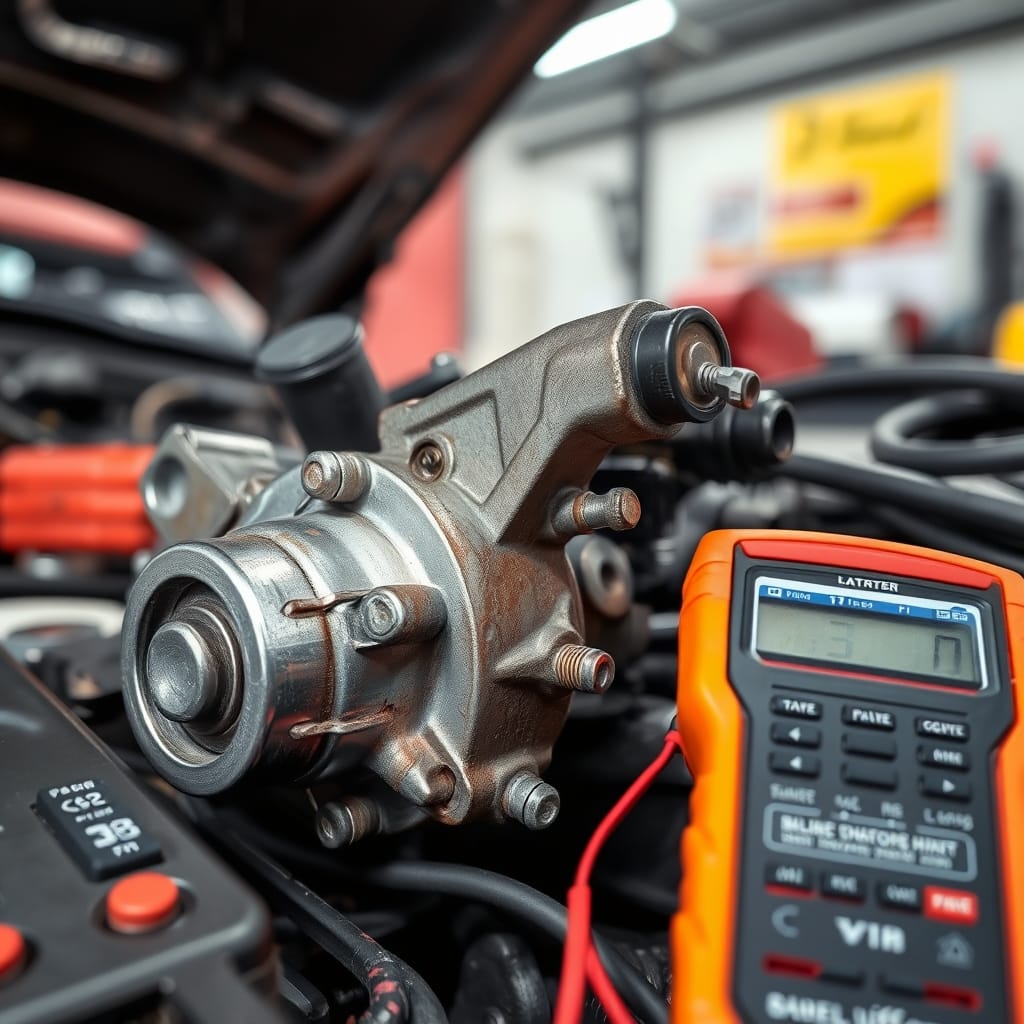
Depending on the vehicle and the fault, useful diagnostic equipment may include a digital multimeter, suitable battery tester, scan tool, wiring diagram, and manufacturer service information. Some diagnostic procedures may also require equipment capable of measuring starter current.
Tool requirements and test specifications vary by vehicle, so use the manufacturer’s procedure rather than applying universal electrical values.
Repair Options After Diagnosing Bad Starter Symptoms
Once the diagnosis has been completed, consider the following repair options.
Repair Confirmed Cable or Connection Faults
Clean and secure connections when corrosion or looseness is confirmed to be contributing to the problem. Replace damaged cables, terminals, grounds, or connectors when necessary. After repair, repeat the relevant voltage-drop or starting-system test to verify the correction.
Replace a Confirmed Faulty Starter
Replace the starter only after diagnosis confirms an internal starter, solenoid, or starter-drive fault. Verify that the battery, high-current cables, grounds, control circuit, and engine mechanical condition are satisfactory so that an underlying problem does not remain after starter replacement.
Correct Fluid Leaks or Other Contributing Problems
If oil or coolant contamination is affecting the starter or its electrical connections, repair the source of the leak and address any damaged components. Correct other confirmed underlying faults that could shorten the life of the replacement starter.
Safety Considerations When Diagnosing Starter Problems
Safety is paramount when diagnosing starter issues. Here are some critical considerations.
Prevent Accidental Vehicle Movement or Starting
Follow the manufacturer’s safety procedure before working on the starting system. Ensure the transmission is in Park or Neutral as appropriate, apply the parking brake, and secure the vehicle against movement. Starter circuits can produce high current and may cause unexpected engine cranking if improperly energized.
Electrical and Starter-Circuit Safety
Starter circuits carry very high current. Avoid shorting battery or starter terminals with tools or test leads, and remove jewelry that could bridge energized connections. Battery-disconnection requirements vary by vehicle and procedure; follow manufacturer service information rather than automatically disconnecting the battery before every diagnostic test.
Vehicle-Specific Considerations for Starter Diagnosis
Starting-system designs vary substantially. Depending on the vehicle, starter operation may involve conventional relays, electronic control modules, immobilizer authorization, automatic stop/start systems, hybrid systems, or other control strategies. Use the correct wiring diagram, specifications, and manufacturer diagnostic procedure for the vehicle being tested. Hybrid and electric vehicles may also contain high-voltage systems that require specialized procedures and training.
Frequently Asked Questions
What are the symptoms of a bad starter?
Possible symptoms include a no-crank condition, clicking during a start attempt, slow cranking, intermittent operation, or abnormal grinding noises. These symptoms can also result from battery, cable, control-circuit, or mechanical problems, so testing is required before condemning the starter.
What could cause bad starter symptoms?
Similar symptoms can result from a weak battery, excessive resistance in cables or connections, starter-control circuit faults, a defective starter or solenoid, security or interlock problems, fluid contamination, or mechanical resistance in the engine.
Can I drive my vehicle with bad starter symptoms?
A vehicle that currently starts may continue to run normally, but an intermittent starting-system fault can leave it unable to restart. Grinding, smoke, burning odors, overheated wiring, or other severe symptoms should be investigated before further start attempts.
How do I diagnose bad starter symptoms?
Verify exactly what happens during the start attempt, check battery condition and connections, inspect the starter circuit, and perform appropriate voltage-drop, control-circuit, or current tests according to vehicle-specific procedures. Scan-tool information may also help on electronically controlled starting systems.
What tools do I need to diagnose starter problems?
Common tools include a digital multimeter, battery tester, wiring diagram, manufacturer service information, and sometimes a scan tool or current-measuring equipment. The exact tools depend on the vehicle and fault.
When should I seek professional help for bad starter symptoms?
If the issue persists after basic diagnostics or requires specialized knowledge and tools, it’s best to consult a professional mechanic.
Final Checks
Bad starter symptoms such as no cranking, clicking, slow cranking, or grinding can point toward a starting-system problem, but they do not confirm starter-motor failure. Check the battery, cables and grounds, control circuit, starter operation, and relevant mechanical conditions systematically. Repair only the confirmed fault, then reproduce the original conditions and verify reliable starter operation before considering the diagnosis complete.