
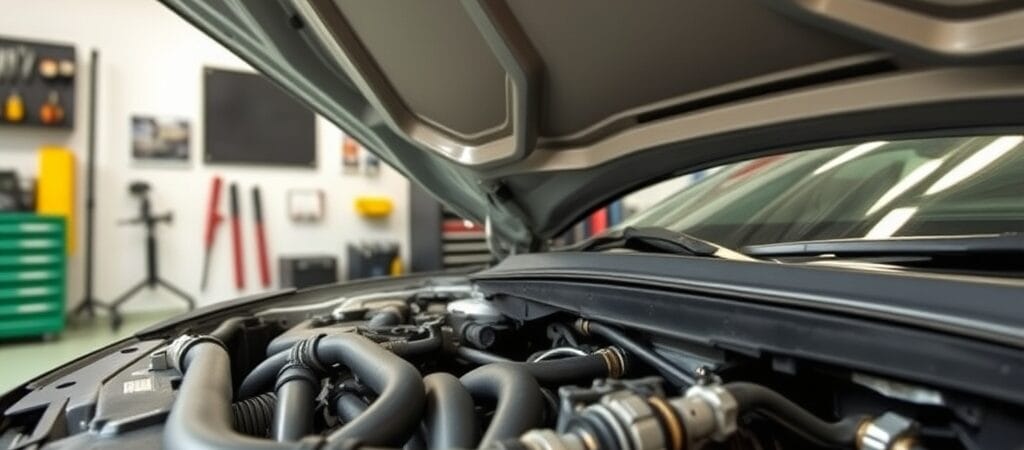
A fuel smell at idle should not be ignored. The odor may come from liquid fuel or fuel vapor escaping from the fuel or evaporative-emissions system, or in some cases from unburned fuel in the exhaust due to a combustion or fueling problem. Because an actual fuel leak can create a fire hazard, diagnosis should begin by determining where the odor is strongest and checking for evidence of leakage before continuing with engine-performance diagnosis.
Why You May Smell Fuel at Idle
Experiencing a fuel smell at idle can indicate underlying issues in your vehicle’s fuel system or emissions components. Understanding the cause is essential to address potential problems before they worsen.
Understanding the Fuel Smell Issue
A fuel odor can have several sources. Liquid fuel may leak from a fuel-system component, fuel vapor may escape from the evaporative-emissions system, or unburned fuel may be present in the exhaust because of a combustion or fueling problem. Identifying where the odor is strongest—such as under the hood, near the fuel tank, or at the exhaust—can help determine which system should be investigated first.
When Is a Fuel Smell Dangerous?
A persistent or strong raw-fuel odor requires prompt attention because it may indicate escaping liquid fuel or vapor. If you see wet fuel, observe active dripping, or notice a strong raw-fuel odor around the vehicle or engine compartment, shut the engine off when it is safe to do so, keep ignition sources away, and do not continue driving. Have the vehicle inspected or transported appropriately. Do not attempt to locate an active leak using a flame or other ignition source.
Common Causes of Fuel Smell at Idle
Several factors can lead to a fuel smell when your vehicle is idling. Understanding these common issues helps narrow down the potential source of the problem.
Leaking Fuel-System Components
Liquid fuel can escape from damaged or improperly sealed components. Depending on the vehicle, possible leak points include:
- Fuel lines, hoses and connections: Damage, deterioration, corrosion, or connection problems may allow fuel to escape.
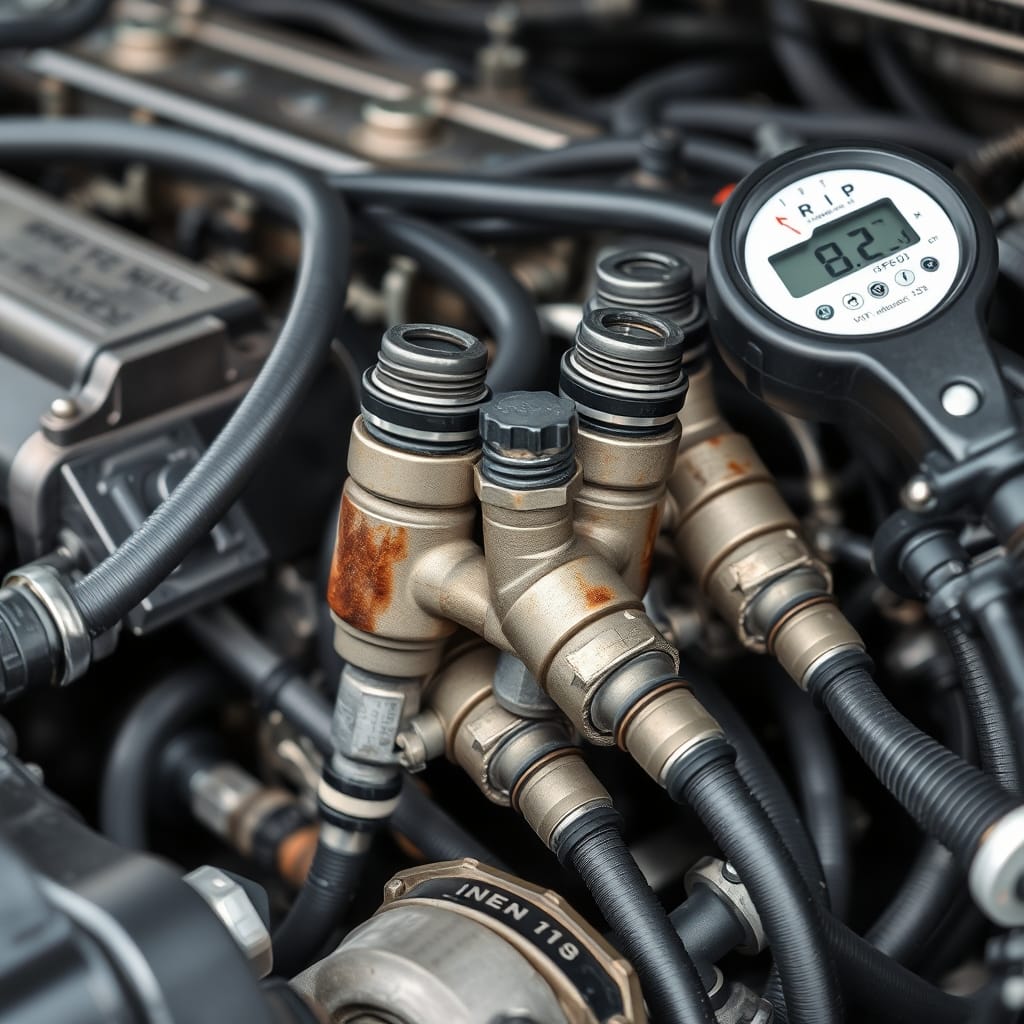
- Fuel injectors and seals: Injector bodies, seals, fuel rails, or associated connections may leak externally.
- Fuel tank and related connections: Damage or leakage around the tank, filler system, pump module, or connections can produce fuel odor.
- Fuel-pressure components: On systems that use serviceable regulators or other pressure-control components, an internal or external fault may contribute to fuel odor or incorrect fueling.
Do not replace components based on odor alone. The location and source of any leak should be confirmed before repair.
Evaporative-Emissions System Problems
The evaporative-emissions (EVAP) system stores and controls fuel vapors that would otherwise escape from the fuel tank. Depending on the vehicle, vapor odors may result from leaking hoses or connections, a damaged or saturated charcoal canister, sealing problems around the fuel tank or filler system, or faults involving purge or vent control.
EVAP faults can also set diagnostic trouble codes, but a code identifies a detected condition rather than proving that a particular valve, hose, or canister has failed.
Assessing the evaporative emissions system can often reveal hidden problems contributing to the fuel smell.
Combustion or Fueling Problems
A fuel-like odor from the exhaust can occur when fuel is not being burned normally. Depending on the vehicle, possible contributors include misfire, ignition faults on spark-ignition engines, injector problems, incorrect fueling, or engine-management faults. These conditions may also produce rough idle, poor performance, abnormal exhaust, or diagnostic trouble codes. First distinguish an exhaust-related odor from an external raw-fuel leak before pursuing engine-performance diagnosis.
If a cylinder-specific misfire code is present, our P0301 Code guide explains how to diagnose a cylinder 1 misfire without assuming which component has failed.
How to Diagnose Fuel Smell at Idle
Diagnosing the reason behind a fuel smell at idle involves several steps. Each diagnostic method plays a critical role in pinpointing the issue.
Verify the Complaint and Odor Location
Determine when the odor occurs and where it is strongest. Note whether it appears only during cold start, after refueling, continuously at idle, under the hood, near the fuel tank, inside the cabin, or primarily at the exhaust. Also record related symptoms such as rough idle, misfire, hard starting, warning lights, abnormal fuel consumption, or visible leakage.
If there is visible liquid fuel or a strong raw-fuel odor suggesting an active leak, stop the diagnostic process that requires the engine to run and address the safety hazard first.
Inspect for Evidence of Fuel or Vapor Leakage
With the engine off and following vehicle-specific safety procedures, inspect accessible areas for wetness, staining, damaged hoses or lines, deteriorated seals, loose or damaged connections, and other evidence of leakage. Pay particular attention to accessible fuel-system and EVAP components near the area where the odor is strongest.
Do not touch, loosen, disconnect, or open pressurized fuel-system components simply to search for a leak. Modern direct-injection systems can retain extremely high fuel pressure and may require specialized procedures and equipment.
Check Diagnostic Trouble Codes and Data
Use an OBD-II scan tool to check for stored and pending DTCs and review relevant data where appropriate. EVAP, misfire, fuel-trim, oxygen-sensor, or other engine-management codes may provide useful diagnostic direction.
A DTC reports a condition detected by the vehicle’s monitoring system; it does not by itself identify a failed component. Interpret codes together with symptoms, inspection results, scan data, and vehicle-specific testing. A fuel leak or vapor odor may also exist without setting a DTC.
Perform Targeted Fuel-System Testing When Required
If inspection and scan results point toward the fuel-delivery system, additional testing may be required. Fuel-pressure, residual-pressure, injector, electrical, or leak-testing procedures vary considerably by vehicle and fuel-system design. Pressure loss alone does not identify the failed component.
Follow manufacturer service information and use equipment rated for the specific fuel system. High-pressure direct-injection systems can be hazardous and should not be opened or tested without the correct procedures and equipment.
Continue With Targeted Diagnosis
If no external fuel leak is found, use the odor location, symptoms, DTCs, and scan data to determine the next diagnostic path. This may include EVAP-system leak testing, purge or vent-system diagnosis, fuel-control evaluation, or misfire and combustion diagnosis. Avoid replacing the gas cap, purge valve, charcoal canister, injectors, ignition coils, or other components until testing supports the repair.
Repair Only the Confirmed Cause
Repair should follow the diagnostic evidence. Depending on the confirmed fault, this may involve repairing or replacing a leaking line, hose, seal, injector, tank-related component, or other fuel-system part; repairing an EVAP leak or control fault; correcting wiring or connector damage; or repairing a confirmed combustion or fueling problem.
Do not replace fuel-system, EVAP, ignition, or engine-management components solely because they appear on a list of possible causes or because a DTC is present.
After repair, verify that there is no liquid fuel leakage or abnormal fuel odor and confirm that related symptoms and DTCs do not return. Complete any manufacturer-specified leak test, monitor, or verification procedure where applicable.
Safety Considerations When Dealing With Fuel Odor
Fuel and fuel vapor are highly flammable. Work only in a well-ventilated area away from cigarettes, flames, sparks, hot surfaces, and other ignition sources. Wear appropriate eye and hand protection when performing permitted inspections.
If liquid fuel is actively leaking or a strong raw-fuel odor suggests an active leak, shut the engine off when safe, keep ignition sources away, and do not continue driving or repeatedly restart the vehicle. Arrange appropriate inspection or transport.
Fuel systems may remain pressurized after the engine is switched off. Direct-injection systems can operate at especially high pressures. Never loosen fuel lines, injectors, rails, or other pressurized components without following the correct manufacturer depressurization and service procedure.
Do not work beneath a vehicle supported only by a jack.
Vehicle-Specific Considerations
Fuel and evaporative-emissions systems vary substantially between vehicles. Port-injected, direct-injected, return-style, returnless, hybrid, and other systems may use different pressures, components, control strategies, and diagnostic procedures. EVAP monitoring and purge strategies also vary by manufacturer.
Use service information for the exact vehicle when checking specifications, opening the fuel system, performing leak or pressure tests, or diagnosing electronically controlled components.
Frequently Asked Questions
What causes a fuel smell at idle?
A fuel smell at idle may result from an external fuel leak, escaping vapor from the EVAP system, or unburned fuel in the exhaust caused by a combustion or fueling problem. The odor location and related symptoms help determine which system should be investigated.
Is a fuel smell at idle dangerous?
It can be. A persistent or strong raw-fuel odor may indicate escaping liquid fuel or vapor and should be investigated promptly. If you see active leakage or notice a strong raw-fuel odor, shut the engine off when safe and do not continue driving until the source has been evaluated.
How can I diagnose the source of a fuel smell at idle?
Start by determining when and where the odor is strongest and checking safely for evidence of external leakage. If no active leak is found, scan for relevant DTCs and data and continue with targeted EVAP, fuel-system, or combustion diagnosis based on the evidence.
What should be checked first when smelling fuel at idle?
First determine whether there is evidence of an active liquid-fuel leak or strong raw-fuel vapor around the vehicle. If so, stop running the engine and address the safety hazard. If no active leak is evident, identify where the odor is strongest and continue with appropriate fuel-system, EVAP, or engine-performance diagnosis.
Can I continue driving if I smell fuel at idle?
Do not continue driving if you see liquid fuel, detect a strong raw-fuel odor, or have reason to suspect an active fuel leak. Shut the engine off when safe and arrange inspection or transport. Even when no visible leak is present, a persistent unexplained fuel odor should be diagnosed promptly.
Final Checks
A fuel smell at idle can come from an external fuel leak, escaping EVAP vapor, or unburned fuel associated with a combustion or fueling problem. Start by identifying where the odor is strongest and checking safely for evidence of an active leak. If no immediate hazard is found, use DTCs, scan data, vehicle-specific inspection, and targeted testing to identify the source. Do not replace components based only on odor or a trouble code, and verify after repair that leakage, odor, related symptoms, and relevant DTCs do not return.