
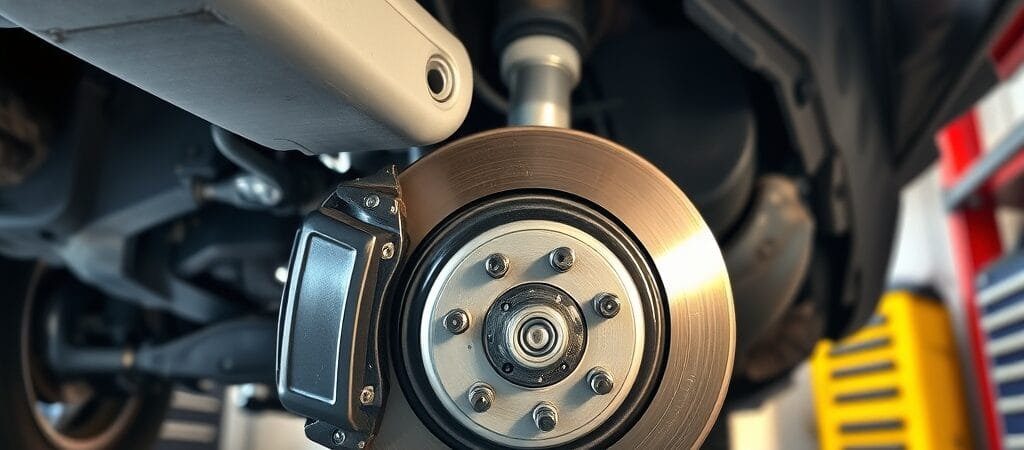
If your car shakes when braking, the vibration may come from the brakes, wheels, tires, or suspension components. The location of the vibration and the conditions under which it occurs can help narrow down the cause. This guide explains what to check first, how to distinguish brake-related shaking from other vibrations, and why inspection and measurement are important before replacing parts.
Why Your Car Shakes When Braking
Experiencing shaking in your car while braking can be alarming. This issue often indicates a problem within the braking system or related components, but the exact cause needs to be verified through diagnosis. Understanding the underlying causes is crucial for maintaining vehicle safety and performance.
Understanding the Symptoms of Brake-Related Shaking
When you apply the brakes and notice shaking, it may appear as a vibration in the steering wheel, seat, or brake pedal. The shaking can vary in intensity and might occur only under certain driving conditions—such as during hard braking or at high speeds. These symptoms can be associated with different potential issues and should be carefully observed to help guide further diagnosis.
Recognizing When to Seek Help
If the shaking persists, becomes more severe, or is accompanied by other symptoms (like squeaking or grinding noises), it’s important to seek professional help. Addressing these signs promptly helps ensure your safety and can prevent more serious damage or costly repairs.
Common Causes of Car Shaking When Braking
Several factors can contribute to car shaking when braking, each with different diagnostic and repair considerations. Diagnosis is important since several unrelated issues can cause similar symptoms.
Warped or Uneven Brake Rotors
Brake disc thickness variation or excessive lateral runout can contribute to brake torque variation and pulsation felt through the pedal, steering wheel, or vehicle during braking. Although this is often described as a warped rotor, the rotor is not necessarily physically bent. Confirm the condition through appropriate measurements, including disc thickness variation and lateral runout, using manufacturer specifications. Also inspect the mounting surfaces and related components before deciding on repair.
Worn Brake Pads and Their Impact
Brake pads that are unevenly worn, damaged, contaminated, or unable to move correctly may contribute to inconsistent braking. However, normal pad wear alone does not establish the cause of vibration. Inspect pad thickness, condition, wear patterns, and movement within the caliper assembly. Check for related rotor or caliper problems before replacing components.
The Role of Stuck Brake Calipers
Stuck or binding brake calipers may prevent proper brake pad movement, resulting in uneven braking pressure and potential vibrations or pulling to one side. Diagnosing this issue involves checking that calipers move freely and function correctly. Other brake or suspension problems can present similar symptoms, so verify with a thorough inspection.
How Improper Wheel Alignment Contributes
Wheel alignment problems more commonly contribute to uneven tire wear, pulling, or handling concerns than to vibration occurring exclusively during braking. Uneven tire wear associated with alignment may contribute to vibration, but brake-specific shaking should not automatically be attributed to alignment. Inspect tires and suspension components and measure alignment when the findings justify it.
Tire Issues and Their Effects on Braking
Tire problems, such as uneven wear, low pressure, or internal damage, can create vibrations felt during braking or while driving in general. Check tire inflation and inspect tread condition, but remember that tire issues are just one of many potential causes. If vibration is also present when the brakes are not applied, our guide on How to Diagnose Tire Vibration explains how to investigate tire- and wheel-related causes.
The Importance of Balanced Tires and Rims
Wheel and tire imbalance generally produces vibration at particular road speeds, even when the brakes are not applied. If vibration occurs only during braking, wheel balance is less likely to be the primary cause. Compare the symptoms during normal driving and braking, and check wheel balance or wheel runout when the evidence points toward a wheel-related problem.
Checking for Loose Lug Nuts
Loose wheel fasteners are a serious safety concern and can cause abnormal wheel movement or vibration. If loose fasteners, wheel movement, or damaged mounting hardware are suspected, do not continue driving. Have the wheel mounting surfaces, fasteners, studs, and wheel inspected for damage. Follow the manufacturer’s specified tightening procedure and torque; simply tightening loose fasteners may not resolve underlying damage.
Diagnosing Car Shaking During Braking
Proper diagnosis is essential for identifying the actual reason for shaking when braking, as symptoms may overlap among several possible causes.
Verifying When the Shaking Occurs
Identify whether the vibration occurs only when braking or is also present during normal driving. Note the road speed, braking intensity, and whether the vibration is felt mainly through the steering wheel, brake pedal, seat, or vehicle body. These observations can help distinguish brake-related pulsation from tire, wheel, or suspension vibration. If the steering wheel also vibrates without braking at higher speeds, see our guide on Steering Wheel Shakes at High Speed for other possible causes. Do not deliberately reproduce severe shaking or unsafe braking conditions during a road test..
Simple Inspections to Start With
Begin with accessible visual checks of tire condition, inflation pressure, wheel mounting hardware, and obvious brake damage. Look for irregular tire wear, visible rotor scoring, fluid leaks, or damaged components. If a wheel appears loose, a tire is severely damaged, or braking performance is compromised, do not drive the vehicle for further testing. More detailed brake and suspension inspections should be performed using appropriate equipment and safe vehicle support.
Scanning for Diagnostic Trouble Codes
An OBD-II scan is not normally the primary diagnostic step for mechanical brake vibration. If ABS, stability-control, or brake-system warning lights are present, a compatible scan tool capable of accessing the relevant control modules may provide useful information. A generic engine-code reader may not access these systems. The absence of diagnostic trouble codes does not rule out mechanical brake, wheel, or suspension faults.
Testing Brake Components Effectively
Inspect brake rotors for excessive thickness variation and lateral runout using the appropriate measuring equipment and vehicle-specific limits. Check pad wear patterns, caliper slide movement, mounting hardware, and the condition of the hub mounting surfaces. Where indicated, inspect wheel bearings and suspension joints for excessive play. These checks should distinguish confirmed faults from symptoms alone. Brake service and measurement procedures vary by vehicle, including those with electronic parking brakes.
Repair Options After Diagnosis
Once diagnostic evidence identifies the cause or causes of shaking during braking, select repair options accordingly.
Replacing Worn Brake Components
Replace brake pads or rotors when inspection and measurements confirm that they are damaged, outside service limits, or otherwise unsuitable for continued use. Rotor resurfacing may be an option on some vehicles when permitted by the manufacturer and when sufficient thickness remains. Follow vehicle-specific brake service procedures, including any applicable axle-pair replacement requirements. After repair, verify correct assembly and braking operation.
Servicing Sticking Brake Calipers
If testing confirms a binding caliper, seized slide mechanism, or another caliper-related fault, repair or replace the affected components according to manufacturer instructions. Inspect associated pads, rotors, hoses, and mounting hardware for secondary damage. Do not replace a caliper solely because the vehicle shakes during braking.
Ensuring Proper Wheel Alignment and Balancing
Perform wheel balancing or alignment only when the diagnostic findings support those services. Wheel imbalance usually produces speed-related vibration, while alignment problems may contribute to uneven tire wear or handling concerns. Neither service should substitute for inspecting the braking system when shaking occurs specifically during braking.
Safety Considerations When Addressing Brake Issues
Promptly addressing braking issues is critical for your safety and the safety of others on the road.
Importance of Secure Vehicle Support
Park on firm, level ground and follow the manufacturer’s lifting and support instructions before removing wheels or inspecting brakes. Use appropriately rated support stands at approved support points and never work beneath a vehicle supported only by a jack. Keep clear of hot brake components, and avoid inhaling or dispersing brake dust. If you are unfamiliar with brake service procedures, have a qualified technician perform the work.
Risks of Incorrect Brake Repairs
Incorrect brake assembly, unsuitable components, improper fastener tightening, or failure to follow required service procedures can compromise braking performance. Some vehicles require special procedures for electronic parking brakes or other electronically controlled systems. After repairs, confirm correct assembly, restore normal pedal operation as required, and perform a controlled low-speed functional check only when the vehicle is safe to operate.
When to Stop Driving: If shaking is severe, braking effectiveness is reduced, the vehicle pulls strongly during braking, a wheel appears loose, or grinding is accompanied by abnormal braking, stop driving when safe and arrange professional inspection or recovery.
Vehicle-Specific Information for Accurate Diagnosis
Different makes and models have unique brake, suspension, and wheel systems that may affect both the symptoms and the correct diagnostic approach.
Importance of Manufacturer’s Service Manuals
Always refer to the manufacturer’s service manual for vehicle-specific diagnostic and repair procedures. These resources provide critical information on component specifications, allowable wear limits, and correct inspection methods.
Common Variations in Brake Systems Across Makes and Models
Brake system designs and diagnostic procedures can vary widely from one vehicle to another. Being aware of these variations ensures a more accurate diagnosis and helps prevent unnecessary or ineffective repairs. When in doubt, consult the correct documentation for your specific vehicle before performing any work.
Frequently Asked Questions
What causes a car to shake when braking?
Brake disc thickness variation, excessive rotor runout, caliper problems, damaged tires, loose wheel components, or suspension faults may contribute. The actual cause must be confirmed through inspection and appropriate testing.
How can I diagnose the shaking?
Determine whether vibration occurs only during braking or also at certain road speeds. Inspect tires, wheel mounting hardware, brakes, and suspension components, then measure rotor thickness variation and runout when indicated. Scan brake-related control modules if relevant warning lights or symptoms are present.
Is it safe to drive with shaking while braking?
Mild vibration does not always mean immediate brake failure, but it should be inspected promptly. Do not continue driving if braking performance is reduced, shaking is severe, or wheel security is in doubt.
When should I seek professional help?
If the shaking is severe or accompanied by other symptoms like squeaking or grinding, it’s crucial to consult a professional mechanic.
What should I check first if my car shakes when braking?
Start with tire condition, inflation pressure, obvious wheel damage, and signs of loose mounting hardware. Then inspect the brake components using safe procedures. Prioritize any condition that could compromise vehicle control.
Can bad tires cause shaking when braking?
Yes. Tire damage, irregular wear, or wheel-related problems can cause vibration that becomes noticeable during braking. However, vibration occurring exclusively during braking also warrants inspection of the brake system.
Final Checks
A car that shakes when braking may have a brake-related problem, but tire, wheel, and suspension faults can produce similar symptoms. Identifying when the vibration occurs and checking the relevant components helps narrow down the cause. Confirm faults through inspection and measurement before replacing parts, and prioritize professional assessment whenever braking performance or vehicle control is affected.