
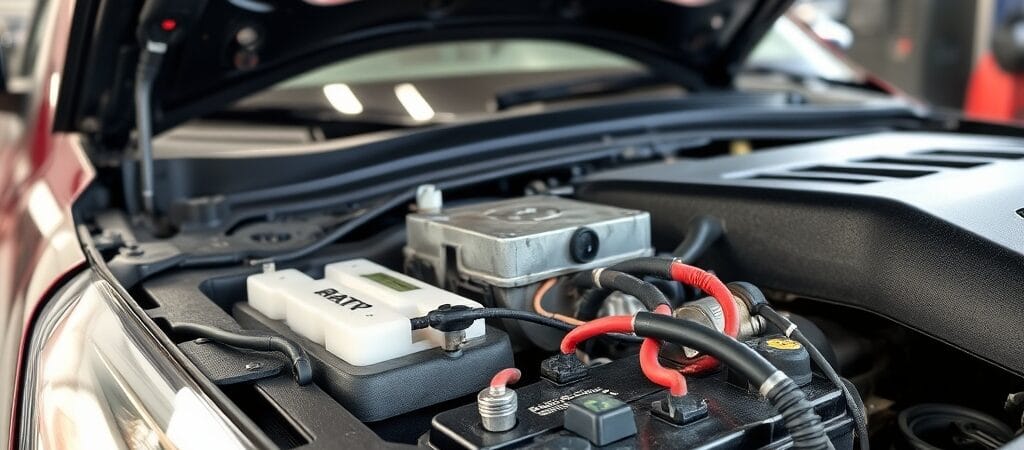
If your car won’t start and makes a clicking noise, it can indicate a serious issue within the electrical system or starting mechanism. This clicking sound often means the ignition isn’t engaging properly. This article will help you understand the potential causes of this problem and guide you through the diagnostic steps needed to find a solution.
Why Your Car Won’t Start and Makes a Clicking Noise
A car that won’t start and makes a clicking noise often indicates a problem with the electrical system or the starting mechanism. This noise, which may consist of a rapid series of clicks or a single loud click, typically points to an issue with the ignition system not engaging properly. Identifying the potential causes can guide you in determining the necessary diagnostic steps.
Recognizable Symptoms of a Clicking Noise When Starting
When you hear a clicking noise during the start process, be aware of these symptoms:
- Rapid Clicking Sound: A series of clicks when turning the ignition key.
- One Single Click: A solitary click that may indicate a problem with the starter motor or relay.
- No Engine Crank: The engine does not attempt to turn over.
- Dashboard Lights Dimming: Lights may flicker or dim when you try to start the vehicle.
- Other Electrical Malfunctions: Interior lights or the radio may also fail to operate correctly.
Common Causes of a Car That Won’t Start and Makes a Clicking Noise
Understanding the potential causes can help you diagnose the issue more effectively.
Dead or Weak Battery
A weak or dead battery is the most common reason for a clicking noise when starting a car. Low battery voltage can prevent the starter motor from receiving enough power.
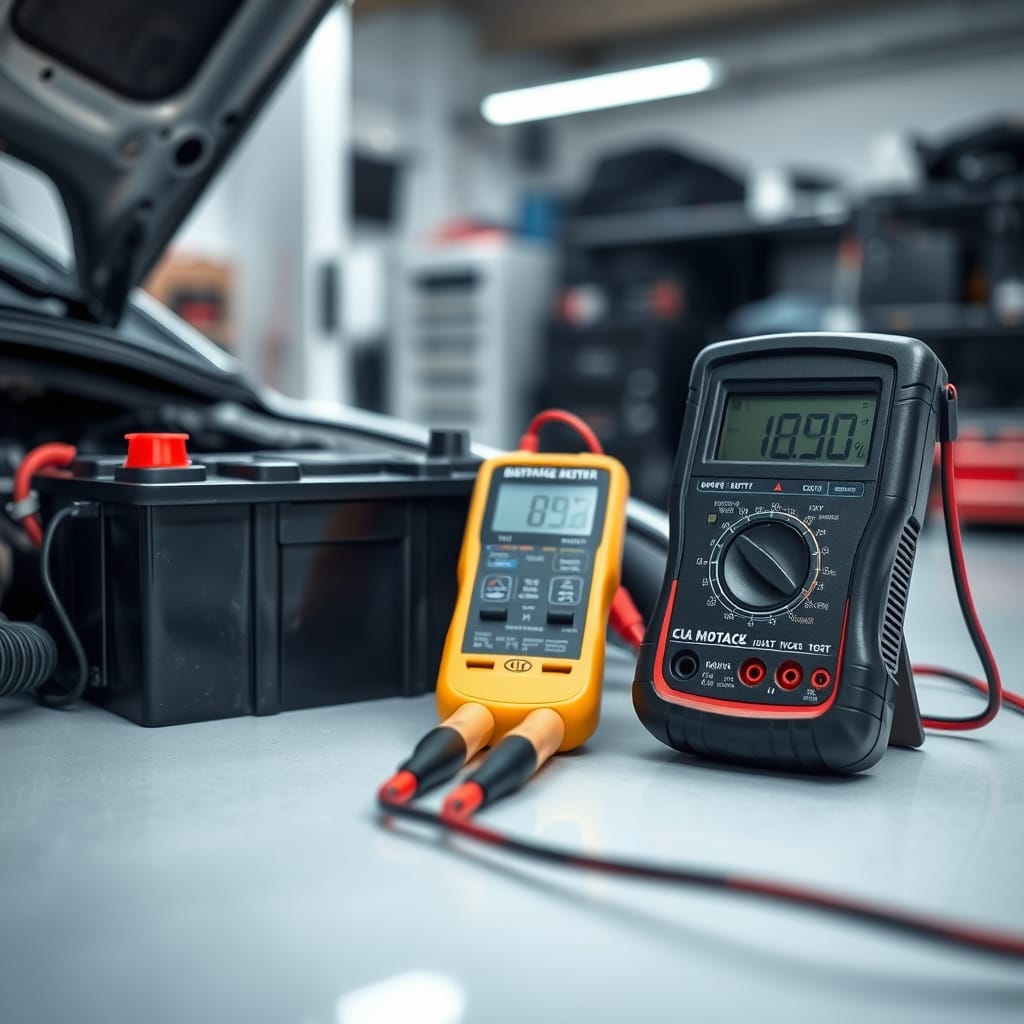
- Diagnostic Tip: Use a multimeter to check battery voltage; it should read around 12.6 volts or more when fully charged.
Corroded or Loose Battery Connections
Corrosion on battery terminals or loose connections can hinder power from reaching the starter motor.
- Diagnostic Tip: Inspect the terminals for dirt, corrosion, or looseness. Clean and tighten connections as needed.
Malfunctioning Alternator
If the alternator is not charging the battery properly, the battery may become drained over time.
- Diagnostic Tip: Monitor battery voltage while the engine is running; it should read between 13.7 to 14.7 volts. If it doesn’t, further testing of the alternator may be required.
Faulty Starter Motor or Starter Relay
A malfunctioning starter motor or relay can cause a clicking sound without engaging the engine. The relay may fail to send the signal to the starter.
- Diagnostic Tip: Listen for a click from the relay when the key is turned. If the relay clicks but the starter does not, the starter motor may need to be tested or replaced.
Electrical Issues
Other electrical problems, such as blown fuses or faulty wiring, can result in a clicking noise without starting the engine.
- Diagnostic Tip: Inspect relevant fuses and wires for damage or disconnection, as these can impede the flow of electricity.
Neutral Safety Switch Misalignment
In automatic transmissions, the neutral safety switch prevents the engine from starting unless the transmission is in park or neutral. If misaligned, it may lead to a clicking noise without starting.
- Diagnostic Tip: Attempt to start the vehicle in both park and neutral positions to see if it makes a difference.
How to Diagnose the Clicking Noise and No-Start Issue
Diagnosing the clicking noise and no-start issue requires a systematic approach.
Verify the Complaint
Start by confirming that the vehicle indeed produces the clicking noise and will not start.
- Action: Turn the key to the “start” position to confirm the clicking sound and observe any dashboard lights.
Inspect Simple Causes
Next, check visible and straightforward causes that could lead to the issue.
- Action: Examine battery connections, cables, and terminals for corrosion or looseness.
Scan for Codes and Data
If the initial checks do not reveal the issue, use a diagnostic scanner to check for any trouble codes present in the vehicle.
- Action: Document any codes and related freeze-frame data, which may provide insights into the failure.
Test Systems and Components
If no codes are logged or if simple issues are ruled out, proceed to test the battery, starter, and alternator.
- Action: Perform a battery load test and verify the functionality of the starter motor safely.
Repair Options After Diagnosis
Once the diagnosis is complete, repair options will depend on the findings.
Jump-Starting the Battery
If the battery is found to be weak, jump-starting the vehicle may temporarily get it running.
- Action: Use jumper cables to connect to a healthy battery, and then try starting the car.
Cleaning or Replacing Corroded Terminals
If corrosion is present on the battery connections, cleaning may resolve the issue. In severe cases, you might need to replace the terminals.
- Action: Clean corroded terminals with a mixture of baking soda and water, then rinse and dry thoroughly.
Starter or Relay Replacement
If the starter motor or relay is confirmed to be faulty, replacement will be necessary.
- Action: Follow vehicle-specific guidelines to safely remove and replace the starter motor or relay as needed.
Safety Considerations When Troubleshooting
When diagnosing a no-start condition involving electrical components, prioritize safety.
- Ensure the vehicle is in park or neutral before attempting to jump-start.
- Wear gloves and safety glasses when working with batteries to protect against acid.
- Avoid open flames or sparks near the battery, as hydrogen gas can ignite.
Vehicle-Specific Considerations in Diagnosis
Automotive systems can vary significantly by model and manufacturer, affecting diagnosis and repair procedures.
- Always consult the vehicle-specific service manual for accurate procedures and specifications.
- Different makes and models may have unique components or technological differences that require specialized knowledge for diagnosis and repair.
Frequently Asked Questions
What does a clicking noise mean when starting a car?
A clicking noise when starting usually indicates a problem with the battery, starter motor, or electrical connections, suggesting the ignition system isn’t engaging properly.
What are common causes of a clicking noise when starting?
Common causes include a dead or weak battery, corroded or loose battery connections, a malfunctioning alternator, a faulty starter motor or relay, and electrical issues.
Can a weak battery cause a clicking sound?
Yes, a weak or dead battery is the most common cause of a clicking noise when starting a car because it may not provide enough power to the starter motor.
How can you diagnose the clicking noise issue?
To diagnose, verify the clicking noise, inspect battery connections, check for trouble codes, and test the battery, starter, and alternator system.
Can I still drive my car if it makes a clicking noise?
It is not advisable to drive a car that makes a clicking noise and won’t start, as this could indicate a serious battery or starter issue that needs to be addressed.
Final Checks
A car that won’t start and produces a clicking noise is a sign of potential issues, particularly within the electrical system or with the starter mechanism. It’s crucial to diagnose the exact cause before making any repairs. Common issues include a weak battery, loose connections, or a faulty starter. If you’re uncertain about the diagnosis or repair, seeking professional assistance is advisable to ensure proper handling and safety.