
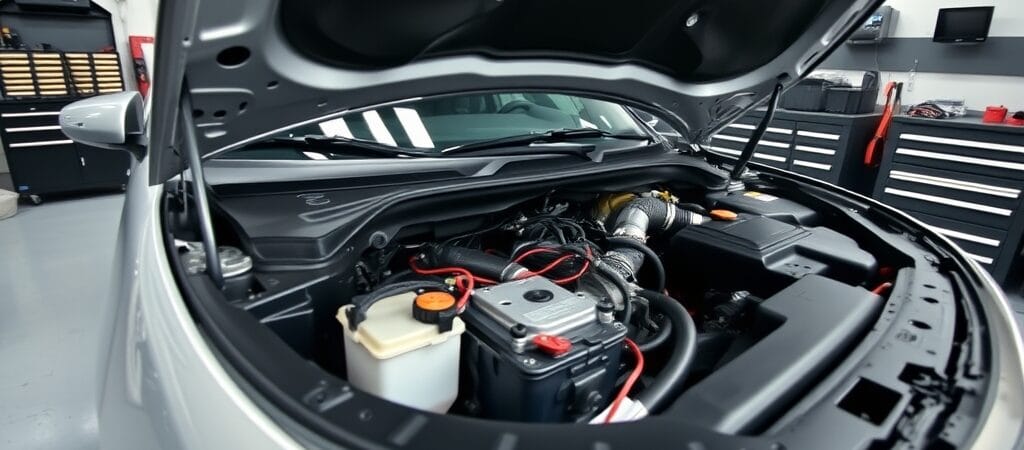
A crank-no-start condition means the engine turns over when you attempt to start it but does not begin running. Because the engine is already cranking, diagnosis should focus on what the engine needs to run: adequate fuel delivery, ignition or combustion control where applicable, correct engine-speed and position signals, proper timing, sufficient compression, and authorization from the vehicle’s security system. This guide explains how to diagnose a crank-no-start systematically without replacing parts based on symptoms alone.
How to Diagnose Crank No Start Condition
Diagnosing a crank-no-start condition starts by confirming that the engine actually cranks at a normal and consistent speed. From there, check for stored diagnostic trouble codes and useful scan data, then determine whether the engine is missing fuel delivery, ignition, critical engine-position information, compression, correct mechanical timing, or another requirement for starting. The exact testing sequence depends on the vehicle and its engine-management system.
Symptoms of a Crank No Start Situation
Engine Cranks but Does Not Start
The defining symptom is that the starter turns the engine, but the engine does not begin running. Cranking speed and sound can provide useful diagnostic clues. A normal-sounding crank directs diagnosis toward fuel, ignition, engine-position signals, security authorization, or other engine-management problems, while unusually fast, slow, or uneven cranking may justify additional electrical or mechanical checks.
Possible Causes of Crank No Start
Fuel Delivery Problems
An engine can crank normally but fail to start when adequate fuel does not reach the cylinders. Possible causes include an empty fuel tank, fuel-pump or control-circuit problems, insufficient fuel pressure, injector-control problems, restrictions, or other vehicle-specific fuel-system faults. Do not diagnose a fuel pump simply because the engine will not start; verify fuel-system operation using the appropriate pressure, command, electrical, or injector tests specified for the vehicle.
Ignition or Combustion-Control Problems
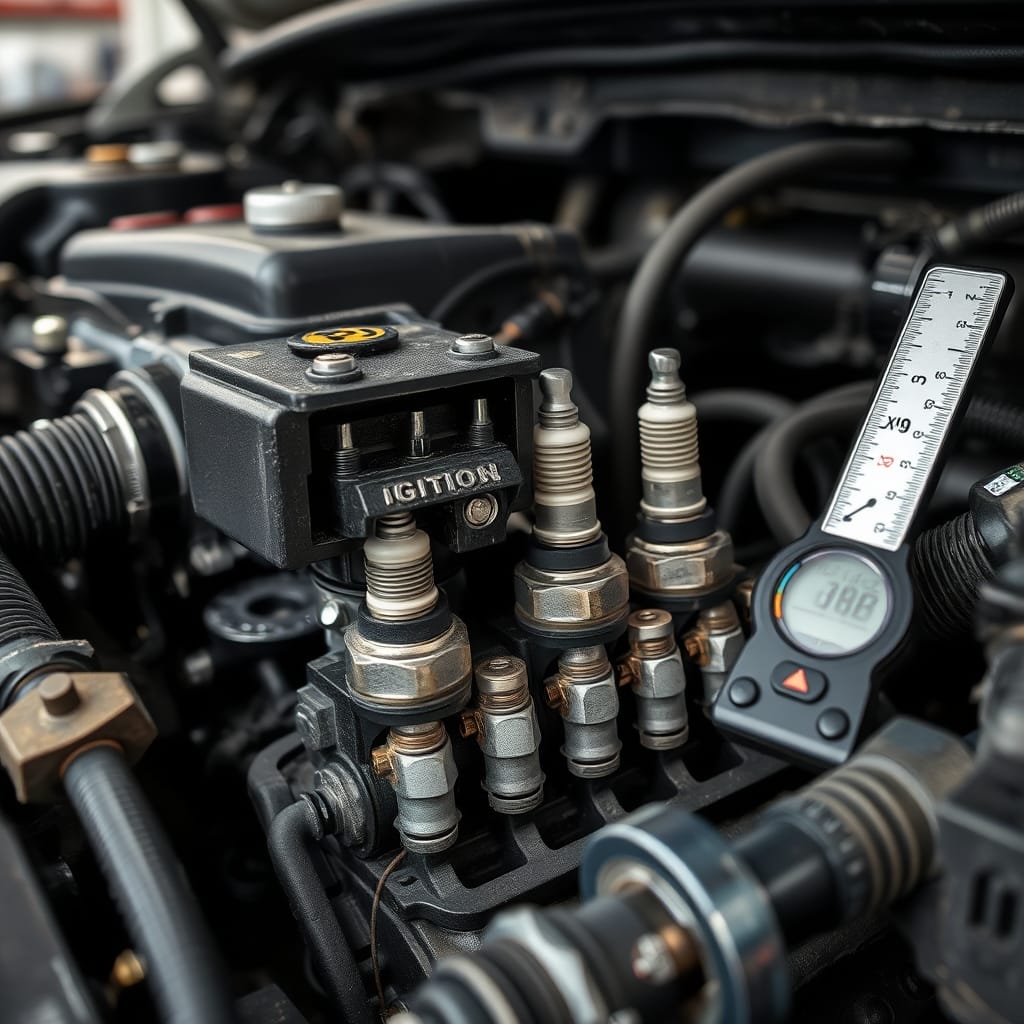
On spark-ignition engines, loss of spark can produce a crank-no-start condition. Possible causes include ignition-coil or control-circuit faults, power-supply problems, damaged wiring, or missing engine-position information required for ignition control. Spark plugs can contribute to starting problems under some conditions, but parts should not be blamed without testing. Diesel and other engine designs use different starting and combustion-control strategies, so follow vehicle-specific diagnostic information.
Engine-Speed and Position Signal Problems
The engine-management system typically requires valid crankshaft and, depending on the design, camshaft position information to control fuel injection and ignition or combustion timing. A missing or implausible signal, damaged wiring, connector problem, sensor fault, reluctor/tone-wheel issue, or related control-circuit problem can contribute to a crank-no-start. Check DTCs and relevant scan data, then test the circuit according to vehicle-specific service information rather than replacing a sensor based only on the symptom.
Immobilizer or Security-System Problems
Some vehicles may crank normally while the immobilizer or security system prevents fuel injection, ignition, or another starting function. Check for security indicators, relevant DTCs, key-recognition information, and manufacturer-specific diagnostic procedures before assuming that an engine component has failed.
Mechanical Timing or Compression Problems
If fuel, ignition, engine-position information, and other basic starting requirements appear correct, investigate mechanical condition where appropriate. Incorrect camshaft timing, timing-belt or timing-chain problems, insufficient compression, valve-train faults, or internal engine damage can prevent an engine from starting. An engine that cranks unusually fast or unevenly may provide a clue, but mechanical testing is required to confirm the cause.
Step-by-Step Diagnostic Approach
Verify That It Is Actually a Crank-No-Start
Attempt to start the vehicle and confirm that the engine itself rotates rather than the starter merely clicking or remaining silent. If the engine does not crank, symptoms such as clicking, slow cranking, or no response require a different diagnostic path; see our Bad Starter Symptoms guide for the appropriate checks. Note whether cranking sounds normal, unusually slow, unusually fast, or uneven. Also determine whether the engine briefly starts and stalls, because that is a different symptom pattern. Record recent repairs, warning lights, security indicators, unusual noises, and the conditions under which the problem began.
Check the Simple Causes First
Confirm that the vehicle has fuel and inspect accessible fuses, connectors, wiring, grounds, and engine-management components for obvious damage or disconnection. If cranking speed is abnormal, evaluate battery condition, cables, grounds, and the cranking circuit before continuing with engine-running-system diagnosis.
Scan for Codes and Relevant Data
Use an OBD-II scan tool to retrieve stored and pending DTCs and review available data while cranking. Depending on the vehicle, useful information may include engine RPM, crankshaft/camshaft synchronization, immobilizer status, fuel-system information, throttle data, or other starting-related parameters. A crank-no-start may occur without setting a DTC, so the absence of codes does not rule out a fault.
Determine What the Engine Is Missing
Once the complaint is verified and scan data has been reviewed, determine which requirement for starting is missing. Depending on the engine and vehicle, diagnosis may include checking:
- fuel pressure and fuel delivery;
- injector command or operation;
- ignition spark on spark-ignition engines;
- crankshaft and camshaft position signals;
- immobilizer or security authorization;
- mechanical timing;
- engine compression when indicated.
Use manufacturer specifications and the appropriate test equipment for the vehicle. Do not replace a fuel pump, ignition coil, sensor, injector, or other component until testing supports that conclusion.
Repair Only the Confirmed Cause
Repair should follow the diagnostic evidence. Depending on the confirmed fault, this may involve repairing wiring or connections, restoring fuel-system operation, correcting an ignition or control-circuit problem, repairing an engine-position signal fault, resolving an immobilizer issue, or correcting a mechanical timing or compression problem. Avoid replacing components simply because they appear on a list of possible causes.
Verify the Repair
After repairing the confirmed fault, start the engine and verify that it starts consistently under the conditions that originally produced the problem. Recheck relevant scan data and DTCs, confirm that warning or security indicators behave normally, and make sure no related fault returns. Where applicable, complete any manufacturer-specified relearn, initialization, or verification procedure.
Tools That May Be Needed for Crank-No-Start Diagnosis
The required equipment depends on the vehicle and suspected system. Useful diagnostic tools may include:
- OBD-II scan tool: For DTCs and relevant live data.
- Digital multimeter: For appropriate electrical and circuit tests.
- Fuel-pressure test equipment: When compatible with the vehicle’s fuel system and specified diagnostic procedure.
- Spark-testing equipment: For appropriate spark-ignition systems.
- Compression or mechanical-testing equipment: When mechanical condition must be evaluated.
- Vehicle-specific service information: For wiring diagrams, specifications, test procedures, and system operation.
Some modern fuel systems operate at hazardous pressures and require specialized procedures and equipment.
Safety Considerations During Diagnosis
Confirm the transmission is in Park or Neutral and apply the parking brake before cranking or testing the engine. Keep hands, clothing, tools, and test leads away from belts, pulleys, fans, and other components that may move unexpectedly while the engine is being cranked.
Fuel systems may remain pressurized even when the engine is off, and gasoline vapors are highly flammable. Direct-injection systems can operate at especially high pressures. Follow vehicle-specific depressurization and testing procedures and keep ignition sources away from fuel. Never work beneath a vehicle supported only by a jack.
Vehicle-Specific Considerations
Starting strategies vary considerably between gasoline, diesel, hybrid, direct-injection, keyless-start, immobilizer-equipped, and other vehicle systems. Required fuel pressure, sensor signals, synchronization data, electrical values, test procedures, and security-system behavior are vehicle-specific. Use manufacturer service information and wiring diagrams for the exact vehicle rather than applying universal specifications.
Frequently Asked Questions
What does crank no start mean?
A crank-no-start condition means the starter turns the engine, but the engine does not begin running. This distinction is important because a vehicle that only clicks or does not crank requires a different diagnostic approach.
What are common causes of a crank no start condition?
Possible causes include inadequate fuel delivery, loss of ignition on spark-ignition engines, missing crankshaft or camshaft position information, immobilizer/security problems, incorrect mechanical timing, insufficient compression, wiring or power-supply faults, and other vehicle-specific engine-management problems.
Can a vehicle still be driven if it has a crank no start condition?
No. In a true crank-no-start condition, the engine cranks but does not begin running, so the vehicle cannot be driven under its own power. Diagnose the cause before attempting further operation. If the vehicle must be moved, use an appropriate towing or transport method.
How can I diagnose a crank no start condition?
First confirm that the engine actually cranks. Check simple causes and scan for DTCs and relevant data. Then determine whether the engine is missing fuel delivery, ignition or combustion control, required engine-position signals, security authorization, mechanical timing, or compression. Follow vehicle-specific testing before replacing components.
What tools do I need to diagnose a crank no start condition?
Depending on the vehicle and suspected cause, diagnosis may require an OBD-II scan tool, digital multimeter, appropriate fuel-pressure equipment, spark-testing equipment, compression-testing tools, and vehicle-specific service information.
Final Checks
A crank-no-start means the engine turns over but does not begin running. Correct diagnosis starts by confirming that distinction, checking simple causes, reviewing DTCs and scan data, and then determining which requirement for starting is missing. Test the relevant fuel, ignition or combustion-control, engine-position, security, and mechanical systems as appropriate for the vehicle. Repair only the confirmed fault and verify afterward that the engine starts consistently and that related codes or symptoms do not return.