
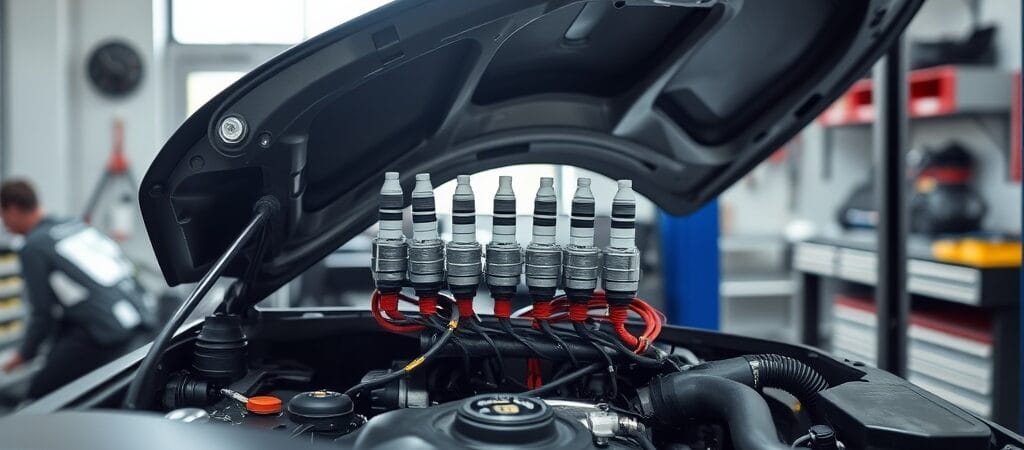
An engine misfire means one or more cylinders are not contributing normally to combustion. It can cause rough idle, hesitation, reduced power, stalling, poor fuel economy, and a check engine light. A flashing check engine light or severe rough running can indicate an active misfire that may damage the catalytic converter, so reduce load and stop safely as soon as possible. A misfire code identifies a detected condition or cylinder pattern; it does not identify the failed component. Diagnosis should use scan data and targeted testing before any parts are replaced.
Common Symptoms of Engine Misfire
Common symptoms include rough idle or shaking, hesitation or reduced power, poor fuel economy, stalling, popping from the exhaust, and a check engine light. A flashing check engine light or severe shaking should be treated as urgent. These symptoms can suggest a misfire, but they do not identify the cause by themselves.
Possible Causes of Engine Misfire
An engine misfire can result from an ignition, fuel-delivery, air/fuel-control, electrical, or mechanical problem. The most likely causes depend on whether the misfire affects one cylinder, several cylinders, or all cylinders, and whether it occurs mainly at idle, during acceleration, under load, when cold, or when hot.
Ignition System Problems
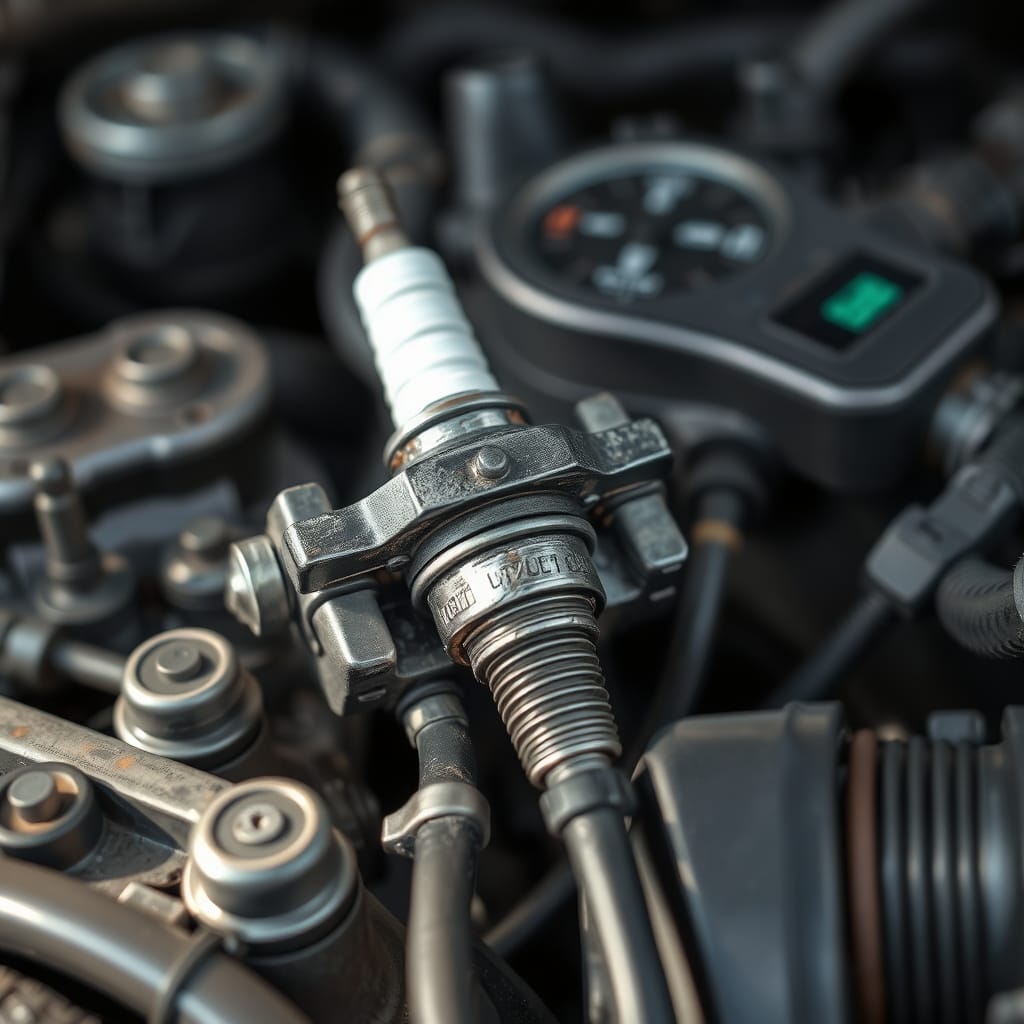
Worn, fouled, damaged, or incorrectly gapped spark plugs can contribute to a misfire. Ignition-coil faults, damaged wiring, poor electrical connections, and other ignition-circuit problems may also interrupt spark delivery. A cylinder-specific misfire code does not prove that the spark plug or ignition coil on that cylinder has failed; test the ignition system before replacing components.
Fuel-Delivery Problems
A restricted or malfunctioning fuel injector can cause a cylinder-specific misfire, while insufficient fuel pressure or delivery may affect several cylinders or become more noticeable under load. Depending on the vehicle, diagnosis may involve injector operation tests, fuel-pressure or fuel-delivery checks, electrical circuit testing, and review of fuel-trim data. Confirm the fuel-system fault before replacing an injector, filter, or fuel pump.
Air and Mixture-Control Problems
Unmetered air from an intake or vacuum leak can create a lean mixture and contribute to misfires, particularly at idle on some engines. Incorrect airflow or pressure-sensor information and other mixture-control faults may also affect combustion. Use scan data and appropriate leak or circuit testing rather than assuming that an air filter or MAF sensor is responsible.
Mechanical Problems
Low compression caused by valve sealing problems, piston or cylinder damage, head-gasket leakage, valvetrain faults, or other mechanical conditions can produce a persistent misfire. Mechanical or valve-timing problems may affect one or several cylinders. Compression, leak-down, relative-compression, or timing checks may be appropriate depending on the symptoms and vehicle.
Other Possible Causes
Additional causes can include electrical power or ground problems, wiring or connector faults, engine-management sensor problems, contamination, or other vehicle-specific conditions. Use the misfire pattern, accompanying DTCs, freeze-frame information, and test results to narrow the diagnosis instead of working through a generic parts list.
Step-by-Step Diagnosis
Verify the Complaint
Note when the misfire occurs: at idle, during acceleration, under load, when cold, or when hot. Check for severe shaking, loss of power, unusual noises, or a flashing check engine light.
Scan for Codes and Data
Use a capable scan tool to read stored, pending, and manufacturer-specific codes. Review freeze-frame data, misfire counters, fuel trims, and relevant live data when available. P0300 indicates random or multiple-cylinder misfire detection; cylinder-specific codes identify the affected cylinder pattern. Neither proves which part has failed.
Inspect Basic Causes
Inspect the air-intake system, accessible vacuum hoses, electrical connectors, spark plugs, ignition coils, and wiring for visible damage or contamination. Do not replace a component based on appearance alone.
Test the Relevant System
Use the symptom pattern and scan data to guide testing. Depending on the vehicle and diagnostic evidence, this may include spark or ignition-circuit testing, injector testing, fuel-pressure or fuel-delivery checks, intake-leak testing, compression or leak-down testing, or mechanical-timing checks. Confirm the fault before replacing components.
When a misfire is isolated to one cylinder, comparing that cylinder with a known-good cylinder can sometimes help isolate an ignition or fuel-related fault, but component swapping should only be performed when it is safe, practical, and appropriate for the vehicle. Do not use a swap test where doing so could damage components or create additional faults.
Tools Needed for Diagnosis
The tools required depend on the vehicle and suspected system. A scan tool is usually the starting point, while additional tools should be selected according to the diagnostic evidence rather than used as a fixed checklist.
OBD-II Scanner
Use a scan tool capable of displaying stored and pending DTCs, freeze-frame information, live data, fuel trims, and misfire counters where the vehicle supports them. Some useful diagnostic information may require enhanced or manufacturer-specific scan-tool access.
Spark Tester
A suitable spark tester can help determine whether adequate spark is present when the vehicle’s ignition-system design permits this test. Follow vehicle-specific procedures because ignition systems can produce hazardous high voltage.
Additional Diagnostic Tools
Depending on the suspected cause, additional tools may include a digital multimeter, fuel-pressure testing equipment, smoke or other intake-leak testing equipment, compression or leak-down testers, and vehicle-specific electrical test equipment. Select tools based on scan data, symptoms, and the manufacturer’s diagnostic procedure.
Repair Considerations After Diagnosis
Once diagnostics are complete, consider appropriate repair options based on identified causes.
Common Repair Options for Engine Misfire
Repair only the fault confirmed by diagnosis. This may involve replacing confirmed worn spark plugs or a failed ignition coil, repairing wiring, correcting an intake leak, servicing a confirmed injector or fuel-delivery fault, or addressing a mechanical problem. Do not replace plugs, coils, injectors, filters, sensors, or a fuel pump solely because a misfire code is stored.
Where appropriate, clear the relevant DTCs after repair and repeat the operating conditions recorded in the freeze-frame data or originally associated with the misfire. Confirm that misfire counters remain normal, relevant codes do not return, and the original symptoms are resolved.
Safety Precautions During Diagnostics
Safety is paramount when diagnosing engine problems. Adopting proper precautions protects both the technician and the vehicle.
Recommended Safety Gear
Wearing safety goggles and gloves is essential while working on vehicles, as they protect against unexpected debris and chemical exposure.
Important Safety Practices
Park on a stable, level surface and keep hands, clothing, and tools away from hot exhaust components, belts, and fans. Electric cooling fans may start unexpectedly. Disconnect the battery only when the manufacturer’s procedure requires it, especially before electrical repairs.
Vehicle-Specific Considerations in Diagnosis
Considering vehicle-specific factors will ensure an accurate diagnosis.
Importance of Service Manuals
Referencing the service manual for your specific vehicle model is critical. This resource provides detailed diagnostic procedures, specifications, and suggested repairs tailored to your engine type.
Frequently Asked Questions
What are the common symptoms of an engine misfire?
Common symptoms include rough idle or shaking, hesitation, reduced power, stalling, poor fuel economy, and a check engine light. A flashing check engine light or severe rough running can indicate an active misfire requiring immediate attention.
How can I use an OBD-II scanner for diagnosis?
Use a capable scanner to read stored and pending codes, freeze-frame data, and misfire information where available. Codes such as P0300 or cylinder-specific P0301–P0308 identify detected misfire patterns; they do not identify the failed part.
Can I safely drive my vehicle with an engine misfire?
A mild misfire should be diagnosed promptly. Avoid continued driving if the check engine light is flashing, the engine is severely rough, power is significantly reduced, the vehicle stalls, or you smell fuel. These conditions can create safety risks or damage the catalytic converter.
What tools are needed for diagnosing an engine misfire?
The tools depend on the suspected cause. A capable scan tool is usually the starting point. Additional tools may include a spark tester, digital multimeter, fuel-pressure testing equipment, intake-leak testing equipment, and compression or leak-down testers. Use vehicle-specific diagnostic procedures to determine which tests and tools are appropriate.
What are the common repair options for an engine misfire?
Repair depends on what testing confirms. Possible repairs can include servicing a confirmed ignition, fuel-delivery, intake-leak, wiring, or mechanical fault. Do not replace parts solely because a misfire code is stored.
Final Checks
An engine misfire is a condition to diagnose, not a command to replace parts. Confirm the misfire pattern, review scan data, test the relevant ignition, fuel, air-intake, and mechanical systems, and repair only the cause supported by evidence. After repair, verify that the misfire does not return under the conditions that originally triggered it.