
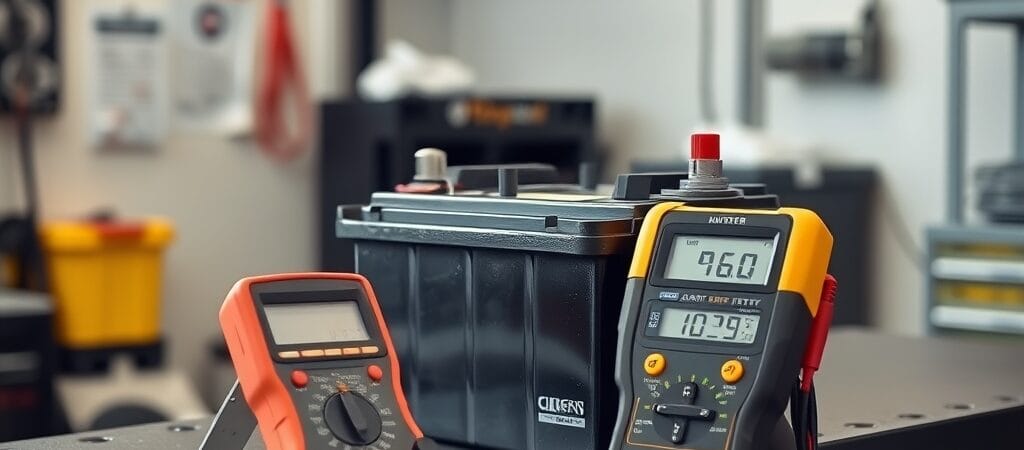
Testing a car battery is crucial for maintaining reliable vehicle operation. A weak battery can lead to starting issues and electrical failures. In this guide, you will learn how to effectively test a car battery, including the tools needed, symptoms of battery failure, and safety precautions to consider during the process.
How to Test a Car Battery
Testing a car battery is essential for ensuring reliable vehicle operation. A weak battery can lead to inconvenient failures, especially in cold weather or after periods of inactivity.
Symptoms of a Failing Battery
Identifying symptoms of a failing battery can help you avoid getting stranded. Here are some common signs to watch for:
Engine Slow to Start or Won’t Start
If your engine turns over slowly or won’t start at all, this could indicate a failing battery. This symptom often occurs when the battery lacks the charge needed to power the starter motor effectively.
Dim Headlights
Dim headlights suggest that your battery may not be providing adequate voltage. If they brighten when you rev the engine, this points to a potential issue with the battery or the charging system.
Frequent Jump-Starts Required
Regularly needing to jump-start your vehicle indicates that the battery either can’t hold a charge or is nearing the end of its life.
Malfunctioning Electrical Components
If components such as power windows, the radio, or dashboard lights function intermittently or sluggishly, the battery’s condition may be in question.
Tools Needed for Battery Testing
To test your car battery effectively, gather these tools:
Multimeter
A multimeter is crucial for measuring the voltage levels of your battery. This tool helps determine whether the battery is charged and functioning properly.
Load Tester
A load tester applies a specific load to the battery while measuring its ability to maintain voltage. This test shows if the battery can perform under normal conditions.
Visual Inspection Tools
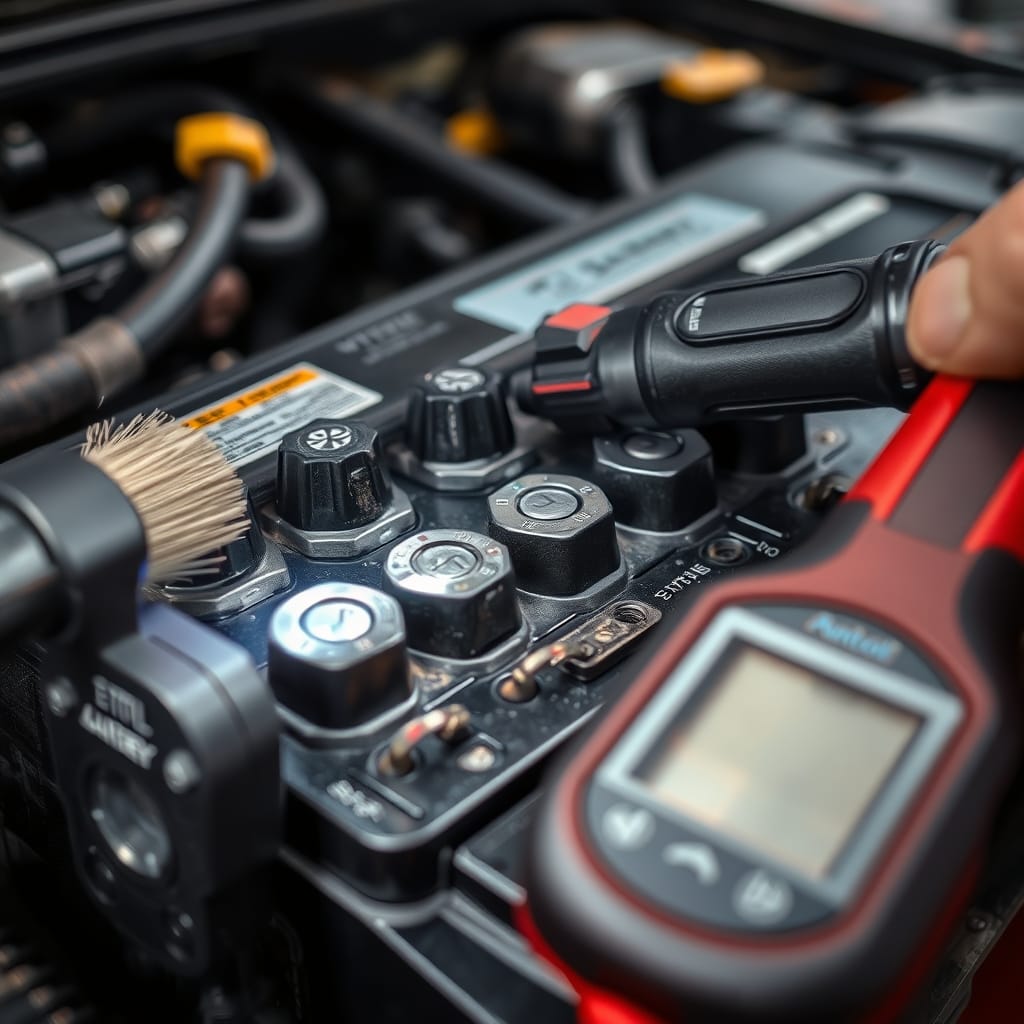
Basic tools, such as a flashlight for inspection and a brush for cleaning terminals, can help identify visible issues like corrosion.
Steps to Test a Car Battery
Follow these steps for effective battery testing:
Verify the Symptoms
Start by confirming the symptoms you or another driver have observed. Are there issues with starting the engine or electrical components? Documenting these will guide your next steps.
Inspect for Obvious Problems
Check for any noticeable issues, such as loose or corroded terminals. Ensure the battery connections are tight and free from corrosion, which can hinder performance.
Use a Multimeter for Voltage Testing
- Set the multimeter to 20 DC volts.
- Connect the red probe to the positive terminal and the black probe to the negative terminal.
- A healthy battery should register around 12.6 volts or higher. If it reads below 12.4 volts, the battery may be weak.
Perform Load Testing
- Connect the load tester following the manufacturer’s instructions.
- Apply a load equal to half the battery’s cold cranking amps (CCA) rating for about 15 seconds.
- Monitor the voltage. It should remain above 9.6 volts under load at 32°F (0°C). If it drops below this level, the battery may be failing.
Possible Causes of Battery Problems
If testing reveals issues, consider these potential causes:
Surface Charge
A surface charge can give a misleading reading, indicating a battery is charged when it’s not. This can occur if the battery has been recently charged or if there’s a superficial charge buildup.
Weak or Failed Cells
A battery consists of multiple cells. If one or more are weak or failed, it can compromise battery performance, leading to starting issues or insufficient power for electrical systems.
Corroded Terminals
Corrosion around battery terminals can prevent proper electrical connection. Cleaning terminals may improve performance, but persistent corrosion may require attention to the terminals or battery replacements.
Aging Battery
Batteries typically last between 3-5 years. An old battery may simply be at the end of its life cycle, making it struggle to hold a charge.
Excessive Electrical Load
If your car’s electrical systems—like lights or audio equipment—draw more power than the battery can supply, it can lead to voltage drops and battery failure.
Repair Considerations After Testing
After analyzing the battery condition, consider these repair options:
When to Recharge or Replace
If the battery is weak but can hold a charge, it may just need recharging. However, if repeated tests show persistent issues or it fails under load testing, replacing the battery is advisable.
Safety Precautions When Testing a Battery
Prioritizing safety when testing a battery can help prevent accidents.
Proper Ventilation and Use of Safety Gear
Always conduct battery tests in a well-ventilated area. Wear safety glasses and gloves to protect yourself from potential acid spills or sparks.
Steps to Ensure Safety While Working
- Make sure the vehicle is turned off before connecting any testing equipment.
- Avoid wearing jewelry or loose clothing that can catch on components.
- Be cautious when handling battery terminals to prevent short circuits.
By following these guidelines, you can safely and effectively test your car battery, ensuring reliable vehicle performance.
Frequently Asked Questions
What tools do I need to test a car battery?
You will need a multimeter, a load tester, and some visual inspection tools like a flashlight.
How can I tell if my car battery is failing?
Common symptoms include engine slow to start, dim headlights, frequent jump-starts, and malfunctioning electrical components.
How do I test a car battery with a multimeter?
Set the multimeter to 20 DC volts, connect the probes to the battery terminals, and check the voltage. A healthy battery should read around 12.6 volts or higher.
What should I do if my battery fails a load test?
If the battery voltage drops below 9.6 volts under load, it may need to be recharged or replaced depending on its condition.
Is it safe to test a car battery at home?
Yes, as long as you take safety precautions, like wearing gloves and safety glasses, and working in a well-ventilated area.
Final Checks
Testing your car battery is essential to ensure that your vehicle remains reliable. By following the outlined steps and using the proper tools, you can diagnose issues effectively. Remember, a weak battery can often be recharged, but regular testing will help you avoid unexpected failures. If persistent problems occur, consider seeking professional assistance for a thorough check and potential replacement.