
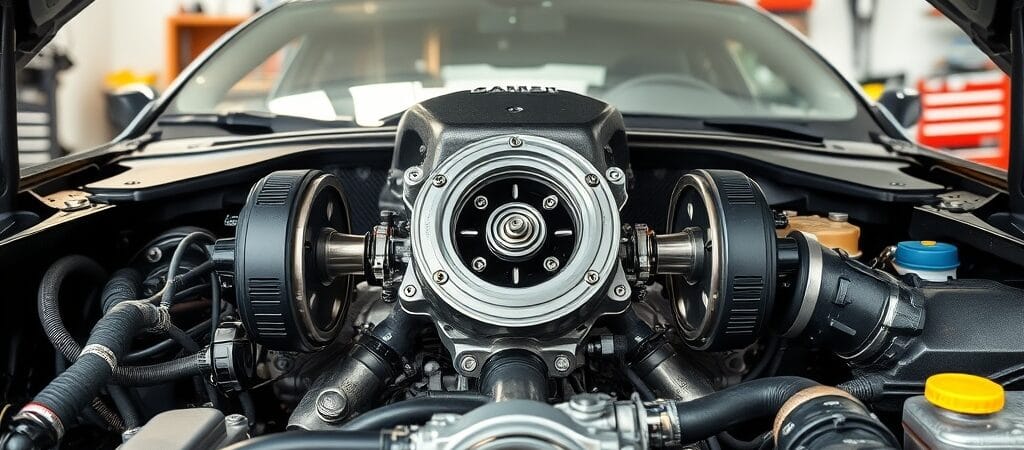
P0016 is a diagnostic trouble code related to crankshaft and camshaft position correlation. It means the engine control module or powertrain control module has detected that the crankshaft position and the Bank 1 “A” camshaft position are not correlating as expected. Depending on the engine, “A” commonly refers to an intake camshaft, but manufacturer definitions and layouts should be verified for the specific vehicle. P0016 does not by itself prove that a camshaft sensor, crankshaft sensor, timing chain, or other component has failed.
What Does the P0016 Code Mean?
P0016 generally refers to Crankshaft Position–Camshaft Position Correlation, Bank 1 Sensor A. The engine-management system compares crankshaft and camshaft position information to determine whether their relationship is within the expected range.
If the monitored relationship is outside the expected range under the required conditions, the system may store P0016. Possible reasons include mechanical timing problems, variable valve timing or oil-control issues, incorrect or missing position signals, wiring faults, or other vehicle-specific conditions.
The code identifies a detected correlation problem; it does not identify the failed component.
Possible Symptoms of P0016
Symptoms vary depending on the vehicle and the cause of the correlation fault. Possible symptoms may include:
- Check Engine Light;
- rough idle or unstable engine operation;
- reduced performance;
- hard starting or a crank-no-start condition in some cases;
- stalling;
- abnormal engine noise if a mechanical timing problem is present;
- other camshaft, crankshaft, VVT, or misfire-related DTCs.
Some vehicles may show few noticeable symptoms other than the warning light. Symptoms alone cannot determine whether the fault is mechanical, electrical, or related to variable valve timing.
Possible Causes of the P0016 Code
Mechanical Timing Problems
Incorrect mechanical timing can cause the crankshaft and camshaft positions to fall outside the expected relationship. Depending on the engine design, possible causes may include a timing chain or belt that has moved from its correct position, worn or damaged timing components, incorrect timing after previous engine work, or other valve-train or timing-system faults.
Mechanical timing should be verified using the manufacturer’s procedures before concluding that a chain, belt, tensioner, gear, or other timing component is faulty.
Variable Valve Timing and Oil-Control Problems
On engines equipped with variable valve timing, incorrect camshaft position can result from problems involving the VVT system. Depending on the vehicle, possible contributors include incorrect oil level or condition, unsuitable oil viscosity, restricted oil passages, oil-control valve or actuator problems, camshaft phaser faults, or related control issues.
Because VVT designs differ between engines, test the system according to vehicle-specific service information before replacing components.
For another example of a camshaft-timing-related DTC, see our P0014 Code diagnostic guide.
Position-Sensor or Circuit Problems
Incorrect, intermittent, or missing crankshaft or camshaft position information can also contribute to a P0016 correlation fault. Possible causes include sensor faults, damaged wiring, poor connections, power or ground problems where applicable, damaged reluctor or tone-wheel components, or other signal-related faults.
Do not replace a camshaft or crankshaft position sensor solely because P0016 is present. Signal and circuit testing should support the diagnosis.
Other Vehicle-Specific Causes
Some engines may have additional causes related to manufacturer-specific timing-control strategies, software or calibration issues, previous repairs, damaged locating components, or other mechanical or electronic faults. Technical service information for the exact vehicle should be checked when appropriate.
How to Diagnose the P0016 Code
Verify the Complaint
Confirm that P0016 is stored and note any symptoms such as hard starting, rough operation, stalling, reduced performance, abnormal engine noise, or a no-start condition. Ask whether the problem appeared after timing-system, cylinder-head, sensor, or other engine work, because recent repairs can provide important diagnostic context.
Check Basic Conditions First
Check engine-oil level and condition where the vehicle uses oil-controlled variable valve timing, and verify that the correct oil specification has been used when relevant. Inspect accessible camshaft and crankshaft sensor wiring and connectors for obvious damage, contamination, loose connections, or previous repair issues.
If the fault appeared after engine or timing-system work, verify that the relevant installation and timing procedures were followed correctly.
Scan for Related Codes and Data
Retrieve P0016 along with all stored, pending, and related DTCs. Record freeze-frame information before clearing anything. Other camshaft-position, crankshaft-position, VVT, oil-control, misfire, or correlation codes may provide useful diagnostic context.
Review relevant live data and manufacturer-specific parameters where available. Depending on the vehicle and scan tool, this may include commanded and actual camshaft position, synchronization information, or other timing-related data. Interpret the results using vehicle-specific specifications and diagnostic procedures.
If you need help interpreting scanner results, see our How to Read OBD2 Codes guide.
Perform Targeted Testing
Use the inspection results, related DTCs, scan data, and vehicle-specific diagnostic information to determine which system requires testing. Depending on the vehicle, diagnosis may include:
- testing camshaft and crankshaft position signals and related circuits;
- checking camshaft/crankshaft synchronization;
- evaluating VVT command and actual camshaft response;
- testing applicable oil-control valves and circuits;
- verifying mechanical camshaft-to-crankshaft timing;
- inspecting relevant reluctor, tone-wheel, actuator, phaser, or timing components when indicated.
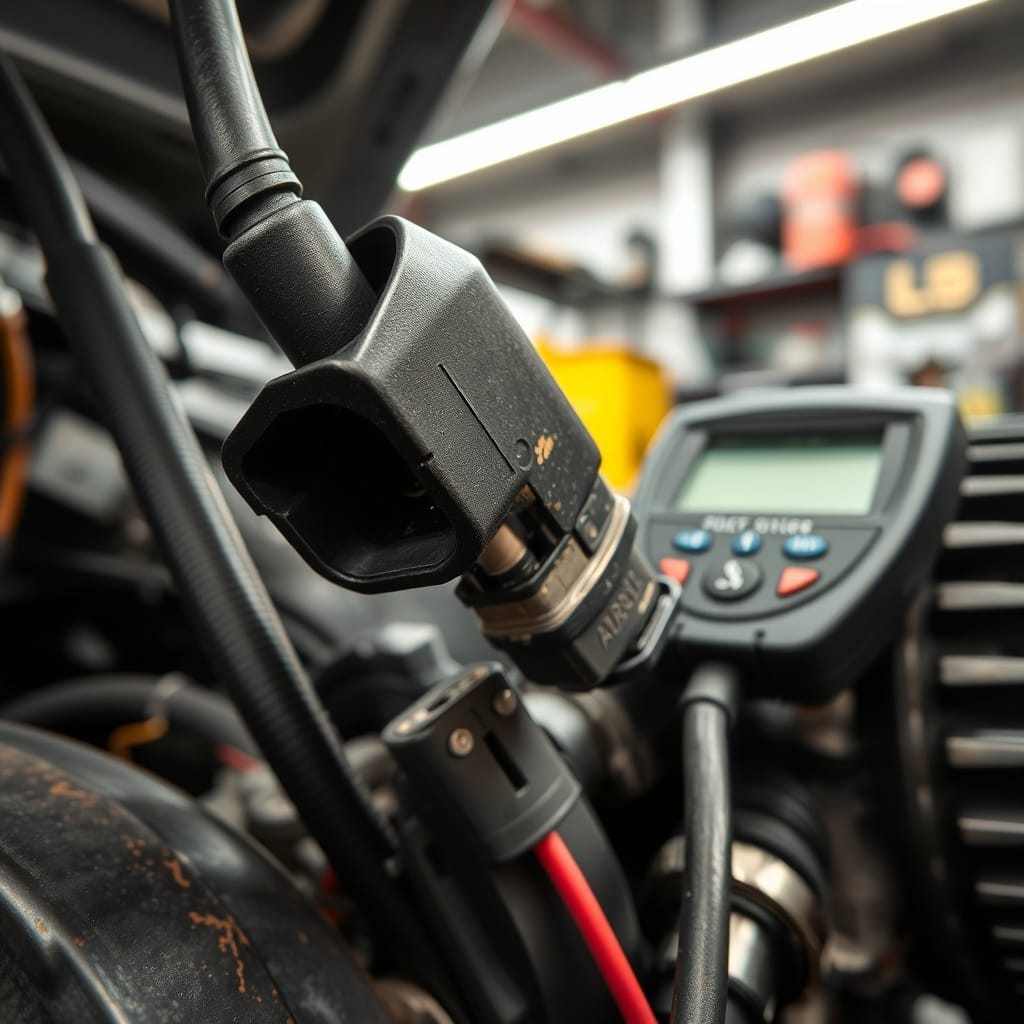
A basic multimeter may be useful for some circuit checks, but sensor-signal diagnosis may require a scan tool, oscilloscope, or manufacturer-specified test equipment. Follow the service procedure for the exact engine rather than applying universal resistance or voltage specifications.
Repair Only the Confirmed Cause
Repair should follow the diagnostic evidence. Depending on the confirmed fault, this may involve repairing wiring or connections, correcting an oil-related or VVT-control problem, replacing a confirmed faulty sensor or control component, repairing a camshaft actuator or phaser fault, or correcting mechanical engine timing.
If P0016 appeared after timing-system or engine work, correct any verified installation or timing error according to manufacturer procedures.
Do not replace camshaft sensors, crankshaft sensors, VVT solenoids, timing chains, phasers, or other components simply because P0016 is stored.
Verify the Repair
After completing the repair, clear DTCs when appropriate and operate the vehicle under the conditions required by the manufacturer to verify the repair. Recheck for P0016 and related codes and confirm that camshaft/crankshaft synchronization and relevant VVT data are normal where applicable. Make sure the original symptoms do not return.
Safety Considerations When Diagnosing P0016
Keep hands, clothing, tools, and test leads away from belts, pulleys, fans, and other moving components while the engine is running or being cranked. Allow hot engine and exhaust components to cool before working nearby.
Do not remove timing covers, rotate engine components, disconnect electrical circuits, or perform mechanical timing checks without following the appropriate vehicle-specific procedure. Battery disconnection is required for some repairs but not for every diagnostic test; follow manufacturer power-down and reconnection procedures.
If the vehicle must be raised, support it with equipment rated for the vehicle and never work underneath a vehicle supported only by a jack.
Vehicle-Specific Considerations
The exact definition, Bank 1 layout, meaning of Sensor A, expected camshaft/crankshaft relationship, VVT strategy, test values, and diagnostic procedures can vary by manufacturer and engine. Use service information for the exact year, make, model, and engine before performing advanced testing or mechanical timing work.
Manufacturer technical service information should also be checked where appropriate because some vehicles may have known procedures, updated parts, or calibration-related guidance for correlation faults.
Frequently Asked Questions
What does the P0016 code indicate?
P0016 generally indicates that the engine-management system detected an incorrect correlation between crankshaft position and the Bank 1 “A” camshaft position. It identifies a correlation fault, not a specific failed component.
What are common symptoms of the P0016 code?
Possible symptoms include a Check Engine Light, rough operation, hard starting, reduced performance, stalling, misfire-related symptoms, or abnormal engine noise when a mechanical timing problem exists. Some vehicles may have few noticeable symptoms.
What causes the P0016 code?
Possible causes include incorrect mechanical timing, VVT or oil-control problems, camshaft or crankshaft position-signal faults, wiring or connector problems, reluctor or tone-wheel faults, and other vehicle-specific timing-control problems.
How do you diagnose the P0016 code?
Confirm the code and symptoms, check related DTCs and freeze-frame information, inspect basic conditions and wiring, review relevant scan data, and then perform targeted testing of position signals, VVT operation, and mechanical timing as indicated. Follow vehicle-specific procedures before replacing components.
Can I drive my vehicle with the P0016 code?
Whether the vehicle should be driven depends on the symptoms and underlying cause. If the engine runs poorly, stalls, has abnormal mechanical noise, shows oil-pressure concerns, or there is evidence of a mechanical timing problem, stop driving and have the vehicle evaluated. Even without severe symptoms, P0016 should be diagnosed promptly because some underlying causes can affect engine operation or mechanical timing.
What should I do if I encounter the P0016 code?
Record the code and related scan information, check for associated symptoms and DTCs, and follow a structured vehicle-specific diagnosis. Do not replace the camshaft sensor, crankshaft sensor, timing components, or VVT parts based on P0016 alone.
Final Checks
P0016 indicates that the engine-management system detected an unexpected relationship between crankshaft position and the Bank 1 “A” camshaft position. It does not identify the failed component. Diagnosis should consider basic engine and oil conditions, related DTCs and scan data, position-sensor signals and circuits, variable valve timing operation, and mechanical timing as appropriate for the vehicle. Repair only the confirmed cause, then verify that the code, synchronization problem, and related symptoms do not return.