
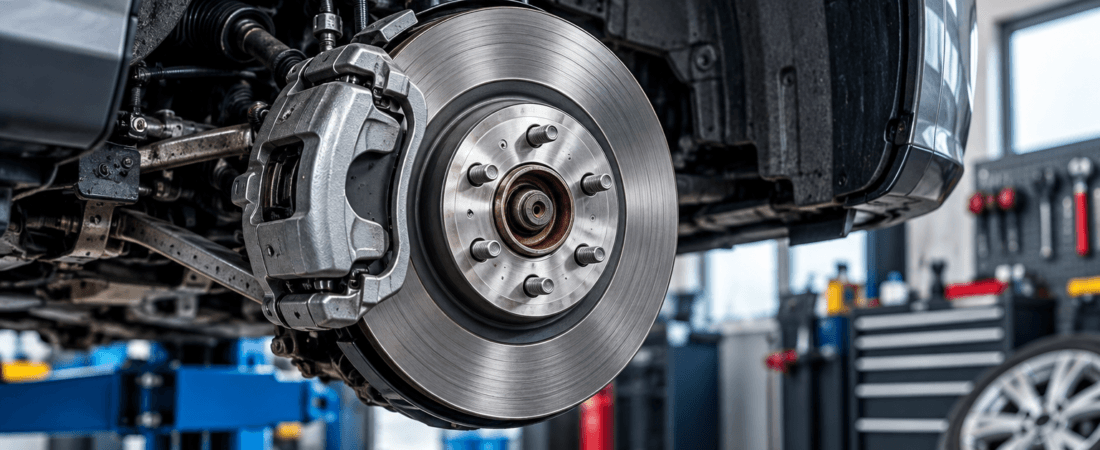
A car maintenance schedule helps you keep track of routine services based on mileage, time, or both. However, maintenance intervals are not universal. Oil, filters, spark plugs, coolant, transmission fluid, timing belts, brake fluid, and other items may have very different service intervals depending on the manufacturer, model, engine, transmission, driving conditions, and fluid specifications. Use the mileage ranges in this article only as general examples, and always follow the maintenance schedule in your owner’s manual or manufacturer service information for your specific vehicle.
Car Maintenance Schedule by Mileage
What is a Maintenance Schedule?
A maintenance schedule is the manufacturer’s plan for routine inspections, fluid services, filter replacement, component checks, and other preventive work. Some services are mileage-based, some are time-based, and others depend on vehicle condition or an electronic maintenance reminder. The correct schedule can vary significantly by make, model, engine, transmission, market, and usage. Your owner’s manual or manufacturer service information should always take priority over generic mileage recommendations.
Why Following the Schedule Matters
Following the correct maintenance schedule helps reduce avoidable wear, supports reliability, and can help identify developing problems before they become more serious. It also helps keep safety-related systems such as brakes, tires, steering, and suspension in proper condition. Maintenance may also support fuel efficiency and resale value, but it cannot guarantee that mechanical failures will never occur. The goal is to maintain the vehicle according to its design requirements rather than replace parts simply because a generic mileage milestone has been reached.
Examples of Maintenance Services by Mileage
5,000 to 10,000 Miles: Common Early-Service Items
Some vehicles call for routine service within this range, while others use longer oil-change intervals or an electronic maintenance reminder. Possible items may include:
- Engine oil and oil-filter service, if due
- Tire rotation, if specified
- Tire-pressure and tread inspection
- Brake inspection
- Inspection of visible fluid levels and leaks
- Inspection of belts, hoses, and other accessible components where applicable
Do not assume every vehicle requires all of these services at this mileage. Follow the manufacturer’s specified interval, oil specification, and maintenance reminder system.
15,000 to 30,000 Miles: Additional Inspections May Be Due
Depending on the vehicle, this range may include additional inspections or replacement of service items such as:
- Engine air filter inspection or replacement
- Cabin air filter inspection or replacement
- Brake and tire inspection
- Steering and suspension inspection
- Fluid-condition checks where specified
Some manufacturers may specify brake-fluid service by time rather than mileage, and others may use different intervals entirely. Use the vehicle-specific schedule rather than assuming a fluid service is automatically due in this mileage range.
30,000 to 60,000 Miles: Vehicle-Specific Services Become More Important
As mileage increases, additional services may appear in the manufacturer’s schedule, but the exact items vary widely. Depending on the vehicle, possible scheduled work may include:
- Engine or cabin air-filter replacement
- Spark-plug inspection or replacement
- Transmission-fluid service
- Coolant service
- Fuel-filter service on vehicles equipped with a separately serviceable filter
- Additional brake, steering, suspension, and drivetrain inspections
These items should not be performed solely because the odometer has entered this range. Confirm the required interval and fluid or part specification for the specific vehicle.
60,000 to 100,000 Miles: Check Major Scheduled Items Carefully
At higher mileage, some vehicles may have important scheduled services due, while others may not. Depending on the manufacturer, this may include:
- Spark plugs
- Transmission fluid
- Coolant
- Drive belts
- Timing-belt replacement on engines that use a timing belt
- Additional inspections of suspension, steering, brakes, drivetrain, and fluid systems
Timing-belt intervals vary substantially by engine and may also include a time limit. Many engines use timing chains instead, which often do not have the same routine replacement interval. Never assume that a timing belt or chain should be replaced based on a generic mileage figure alone.
Consequences of Missing Scheduled Maintenance
Lower-Priority Maintenance Items
Some overdue maintenance items may mainly affect comfort or routine operating condition rather than immediate vehicle safety. Examples may include:
- Cabin air-filter replacement
- Some non-critical inspection items
However, even apparently minor maintenance should still be completed according to the correct schedule. The effect of delaying a service depends on the vehicle, component, operating conditions, and how overdue it is.
Maintenance Items That May Affect Reliability or Safety
Some maintenance items can become much more important if they are delayed, especially when they affect lubrication, braking, cooling, tires, steering, or components with a manufacturer-specified replacement interval. Examples may include overdue engine-oil service, brake-system maintenance, timing-belt replacement where specified, coolant service, tire maintenance, or other manufacturer-required inspections.
The consequences of delaying service depend on the specific vehicle and component. Avoid classifying all fluid, transmission, or timing services as equally urgent. Check the manufacturer’s schedule and address any safety-related issue promptly.
When Symptoms Appear Between Scheduled Services
Scheduled maintenance should normally be performed according to the specified interval rather than waiting for symptoms. However, if the vehicle develops a warning light, fluid leak, unusual noise, braking problem, steering change, vibration, overheating, shifting problem, or other abnormal behavior, do not assume it is simply “overdue maintenance.”
A symptom may be caused by many different faults and should be diagnosed on its own merits. Maintenance history can provide useful context, but it does not identify the cause by itself.
If the Check Engine light is illuminated but the vehicle otherwise appears to run normally, see our Check Engine Light On But Car Runs Fine: What to Check guide for a symptom-focused diagnostic approach.
If the vehicle will not start, first determine whether it has a no-crank, crank-no-start, or starts-and-stalls condition. See our How to Diagnose a Car That Won’t Start guide for the diagnostic sequence.
Diagnostic Steps to Follow
If a problem appears between scheduled services, begin by verifying the symptom and reviewing the vehicle’s service history. When diagnostic trouble codes are present, use them as evidence rather than proof of a failed component. See our How to Read OBD2 Codes: A Step-by-Step Diagnostic Guide for the complete process. Check for relevant warning lights, visible leaks, abnormal tire wear, fluid-condition concerns, and other obvious clues. Use appropriate diagnostic testing when required.
Do not replace a component simply because it is old or because a related maintenance interval was missed. Confirm the actual fault before repair, while separately bringing genuinely overdue maintenance items up to date.
How to Handle Overdue Maintenance
Actions Based on Diagnostic Results
First compare the vehicle’s actual service history with the manufacturer’s maintenance schedule. Complete overdue routine maintenance using the correct fluids, parts, procedures, and specifications.
If the vehicle also has a fault or symptom, diagnose that problem separately rather than assuming routine maintenance will automatically fix it. For components with scheduled replacement intervals, such as some timing belts, follow the specified interval even if no visible damage is present. Inspection alone may not replace a manufacturer-required service.
Common Errors in Following Maintenance Schedules
Neglecting Time-Based Intervals
Some maintenance is based on time as well as mileage. Brake fluid, coolant, engine oil, timing belts on some engines, filters, and other items may have time-based requirements depending on the manufacturer. A low-mileage vehicle can still become overdue for service because fluids and materials can degrade with age. Always check both the mileage and time requirements in the manufacturer’s schedule.
Relying on Generic Maintenance Intervals
Generic mileage ranges can be useful for understanding the types of services a vehicle may eventually need, but they should never override vehicle-specific information. Service intervals can vary by model year, engine, transmission, market, fluid specification, maintenance reminder system, and driving conditions. Always use the owner’s manual or manufacturer service information as the final reference.
When to Consult a Professional
Signs Indicating Serious Maintenance Issues
Seek professional diagnosis promptly if the vehicle develops symptoms that may affect safety or indicate a serious mechanical problem, including:
- Reduced braking ability
- Red brake or other critical warning lights
- Severe steering problems
- Overheating
- Major fluid leaks
- Loud or abnormal mechanical noises
- Severe vibration
- Stalling or significant loss of power
These symptoms should not be treated as routine maintenance issues. If vehicle control, braking, or engine safety may be compromised, avoid driving until the problem is properly assessed.
Frequently Asked Questions
What is a car maintenance schedule by mileage?
It is a vehicle-specific preventive maintenance plan that identifies when inspections, fluid services, filters, and other maintenance items are due. Many schedules use both mileage and time, and some vehicles also use electronic maintenance reminders.
How often should I check my car’s maintenance schedule?
Review the maintenance schedule regularly and whenever the vehicle reaches a new service interval. Check both mileage and time-based requirements and follow any vehicle-specific maintenance reminder system.
What happens if I miss a scheduled maintenance?
The effect depends on which service is overdue and how long it has been delayed. Some missed services mainly affect convenience or efficiency, while others may increase wear, reduce reliability, or affect safety. Check the manufacturer’s schedule and bring overdue items up to date.
Do all vehicles have the same maintenance schedule?
No. Maintenance schedules vary by make, model, year, engine, transmission, market, fluid specification, driving conditions, and manufacturer requirements.
Can I wait for symptoms to perform maintenance?
No. Preventive maintenance is intended to be completed before symptoms develop. Many fluids and components can become overdue without producing an obvious warning. Follow the manufacturer’s schedule rather than waiting for a problem to appear.
Final Checks
A car maintenance schedule is most useful when it is treated as vehicle-specific information rather than a universal mileage chart. Use generic mileage ranges only to understand the kinds of services that may become due, then confirm the actual interval in the owner’s manual or manufacturer service information. Check both mileage and time requirements, use the correct parts and fluids, and do not confuse scheduled maintenance with diagnosis. If the vehicle develops a symptom or warning light, diagnose the actual fault instead of assuming an overdue service is automatically the cause.