
P0120 Code: Meaning, Causes and Diagnosis
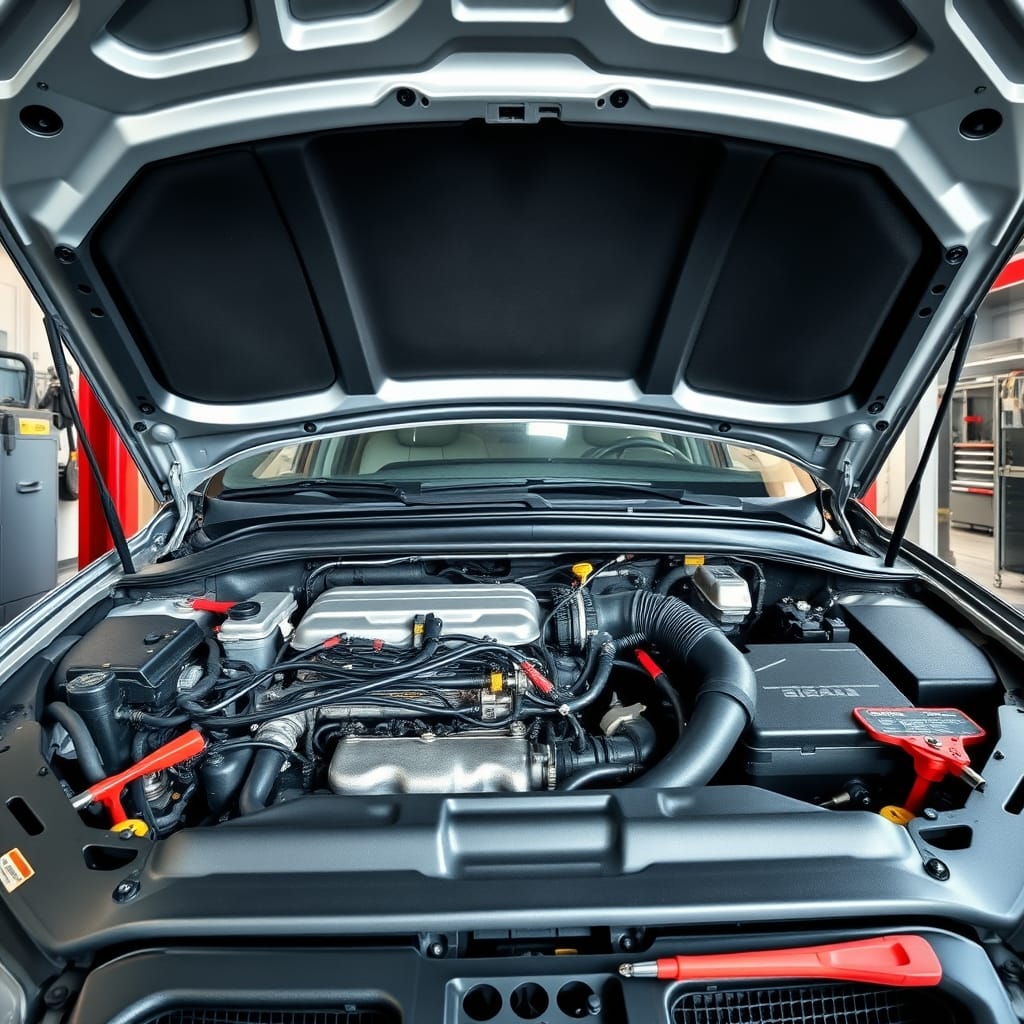
Learn about the P0120 code, including its causes, symptoms, and diagnosis. Understand how to troubleshoot and fix issues related to throttle and pedal position sensors.
P0174 Code: What It Means, Symptoms & How to Diagnose It
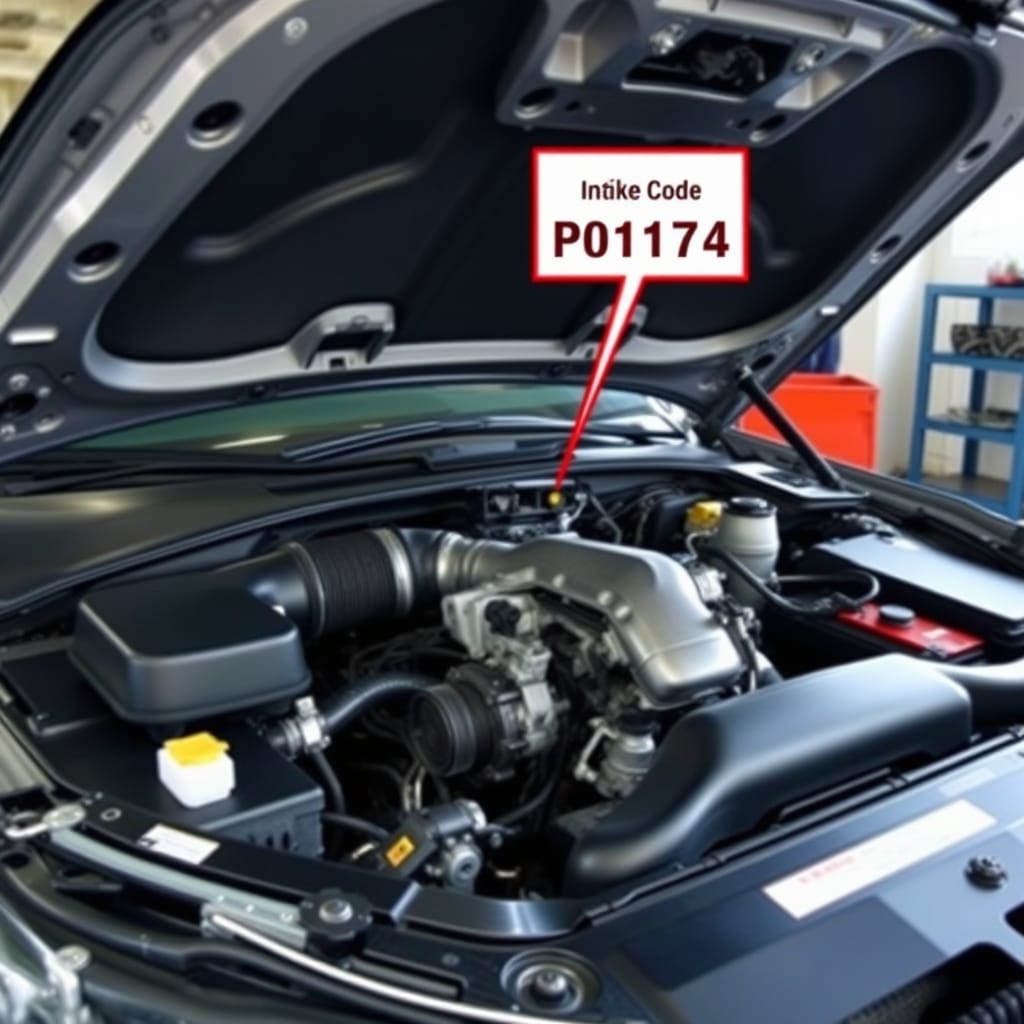
P0174 means System Too Lean (Bank 2). Learn what the code reports, common symptoms and causes, and how fuel trims and targeted testing help diagnose it.
P0401 Code: What It Means, Symptoms and How to Diagnose It
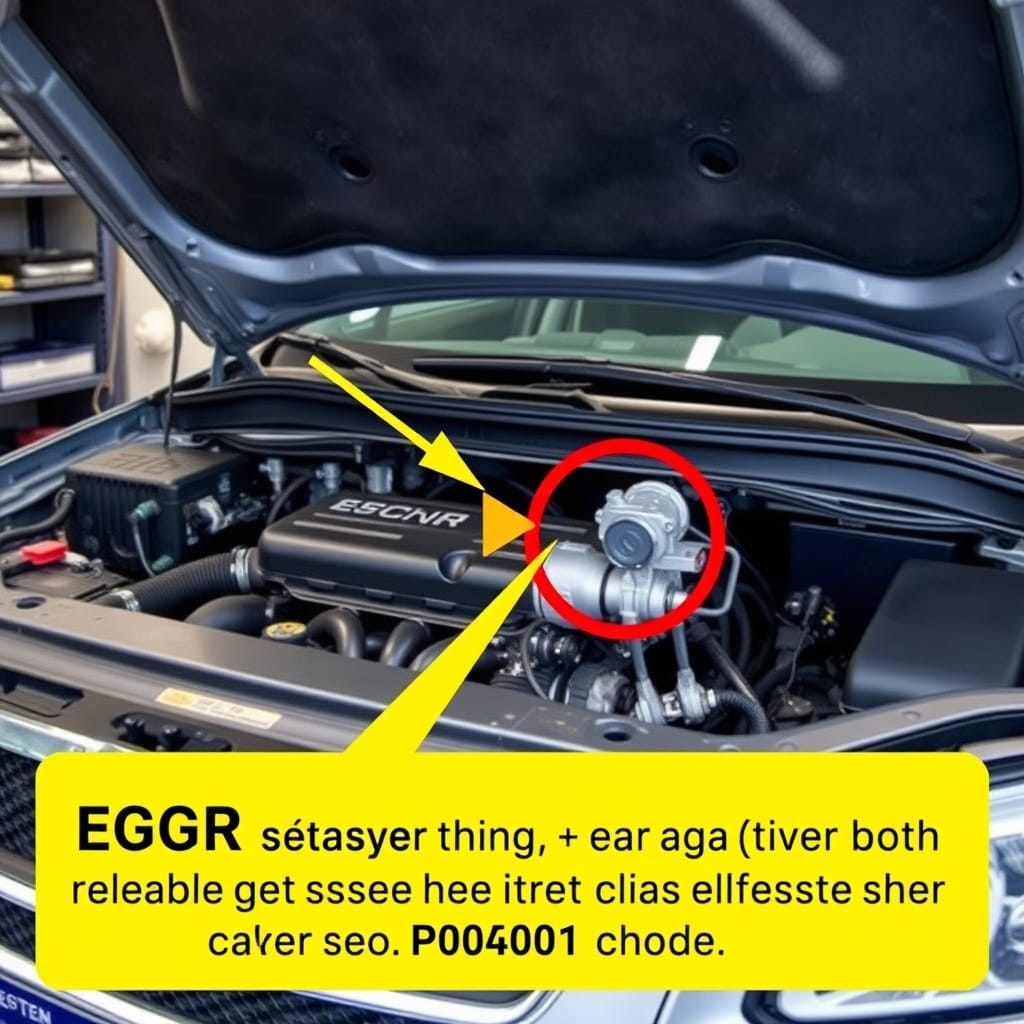
Learn about the P0401 code, its causes, symptoms, and diagnostic steps required to resolve issues related to insufficient EGR flow in your vehicle.
P0133 Code: What It Means, Causes and How to Diagnose It
Learn about the P0133 code, its causes, symptoms, diagnosis, and repair options. Understand what a slow oxygen sensor response means for your vehicle.
P0500 Code: What It Means, Causes and How to Diagnose It
Learn about the P0500 code, its symptoms, causes, and diagnosis. Understand the importance of proper vehicle speed sensor functionality for safe driving.
P0014 Code: What It Means, Symptoms & How to Diagnose It
Discover what the P0014 code means, its symptoms, common causes, and how to diagnose it effectively. Understand the importance of addressing this VVT system issue.
P0101 Code: What It Means, Causes & How to Diagnose It
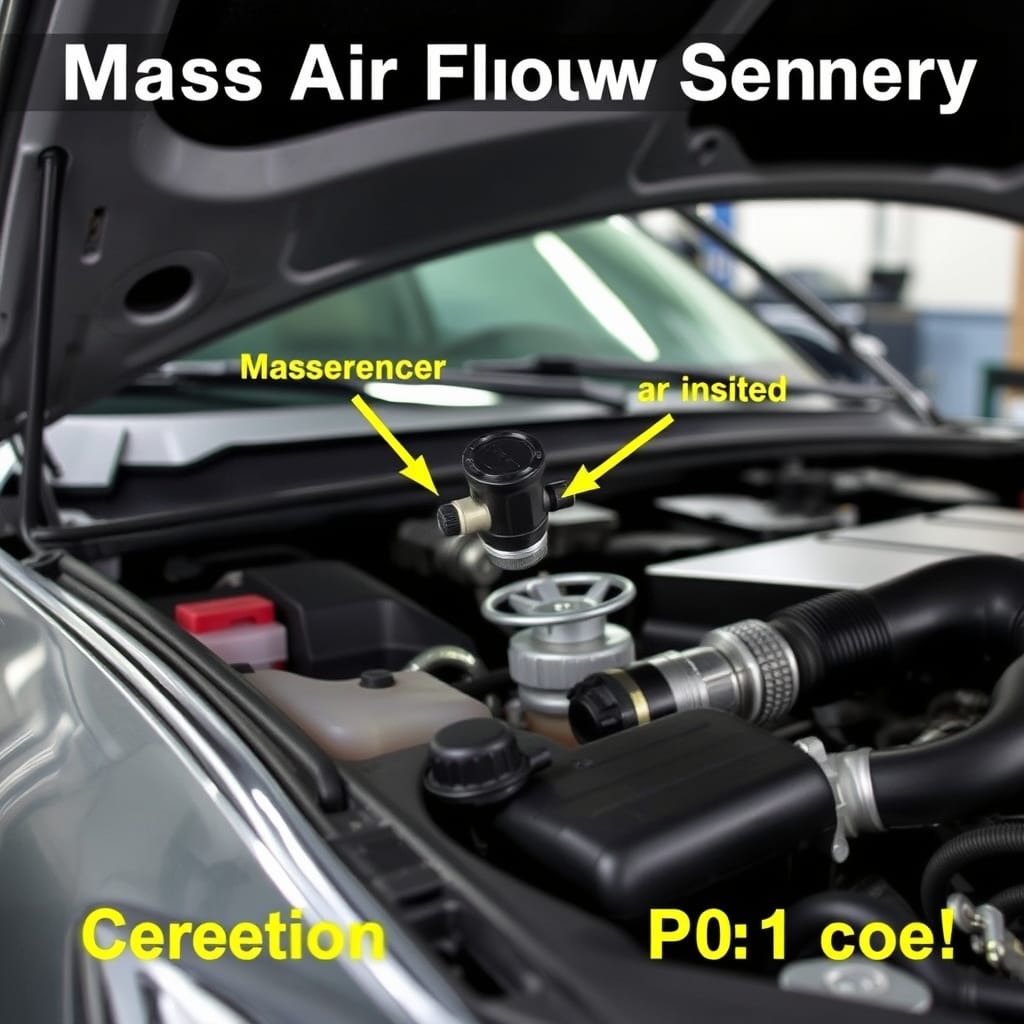
Encountering a P0101 code? Learn about its causes, symptoms, and diagnostic steps regarding the Mass Air Flow (MAF) sensor and what you can do to fix it.
Diagnosing the P0455 Code: Causes and Solutions
Learn about the P0455 code, its causes, symptoms, and how to diagnose it effectively to maintain your vehicle’s EVAP system.
P0011 Code: What It Means, Symptoms & How to Diagnose It

P0011 indicates an over-advanced or performance problem with “A” camshaft timing on Bank 1. Learn the symptoms, possible causes, and how oil, VVT, electrical, and mechanical testing help identify the actual fault.
How to Read OBD2 Codes: A Step-by-Step Diagnostic Guide
Learn how to read OBD2 codes and diagnose your vehicle’s issues effectively. Understand the diagnostic process and when to seek professional help.
OBD Codes
OBD-II trouble codes explained with symptoms, possible causes, diagnostic steps, and repair solutions.